Silver Rises in Early Trading on Lower Rate-Hike Expectations — August 19, 2026
Key Takeaways
- •On August 19, 2026, September silver futures opened at $63.43 per ounce — 1% below the previous close — and climbed to $65 by 8:55 a.m. ET as rate-hike expectations eased.
- •Despite Wednesday's rise, silver has lost roughly 9% of its value in 2026, though it trades 14.2% higher than a month ago and 70% higher than a year earlier.
- •The gold-to-silver ratio currently sits near 68, within its long-term average range of 50 to 80.
- •Investor attention centers on two key drivers: the interest-rate outlook and Middle East tensions, including the ongoing war in Iran.
- •Gold has outperformed silver over the past 50 years, while silver's industrial uses in solar panels, electronics, and medical devices make its price more volatile.
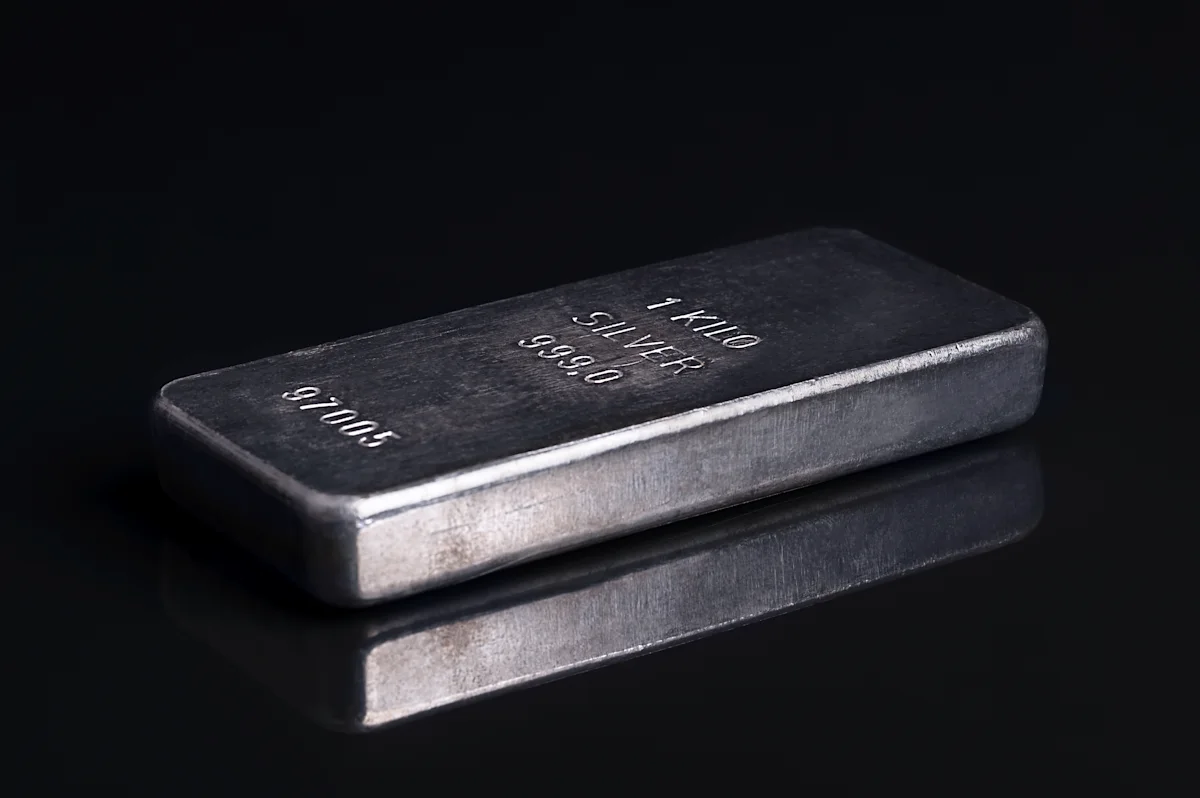
Silver advanced in early trading on Wednesday, August 19, 2026, as expectations for further interest-rate hikes eased. Because precious metals generate no interest or dividends, softer rate expectations reduce the opportunity cost of holding non-yielding assets, a long-standing relationship that makes metals prices sensitive to shifts in the monetary-policy outlook.
September silver futures (SI=F) opened at $63.43 per ounce on Wednesday, down 1% from Tuesday's closing price, before climbing to $65 as of 8:55 a.m. ET.
Silver's 2026 performance so far
Despite the signs of strength Wednesday morning, silver is down about 9% for the year. The metal spiked in late January and then dipped into negative territory in March. Catalysts behind these moves have included ongoing tensions in the Middle East and higher rate-hike expectations. While the war in Iran continues, the interest-rate outlook has improved — yet silver has not meaningfully appreciated. Those two drivers — the rate outlook and Middle East tensions — frame what investors are watching from here.
The metal's industrial applications add complexity to its price drivers relative to gold, and as a result silver tends to be far more volatile. The current gold-to-silver ratio — the number of silver ounces it takes to equal the value of one ounce of gold — is near 68, in line with its long-term average range of 50 to 80. When the ratio sits near the low end of that range, silver is relatively expensive compared with gold; near the high end, it is relatively cheap.
Current price of silver
Wednesday's opening price for silver futures was 1% lower than Tuesday's close. Here is how the opening silver price compares with prior periods:
- Versus one week ago: -4.8%
- Versus one month ago: +14.2%
- Versus one year ago: +70%
For context, silver's year-over-year growth was 173.3% on May 14.
Silver vs. gold: long-term returns
Over the past 50 years, gold has outperformed silver, delivering higher long-term returns. Since the 1970s, prices of both metals have increased dramatically, but their roles in the economy and their long-term performance are very different.
Governments and investors view gold as a store of value, and central banks hold large gold reserves to protect their economies against global inflation or geopolitical crises. Gold is also widely used to produce jewelry.
Silver is much more abundant in supply than gold, but it also has more uses. The metal plays a significant role in manufacturing and industrial production; companies use silver to make solar panels, electronics, and medical devices. That industrial demand can affect silver's price, producing more drastic changes.
Source: Yahoo Finance

