Silver Holds Steady at $68.63, Preserving 17% Monthly Gain Ahead of PCE Data and Jackson Hole
Key Takeaways
- •Silver September futures opened 0.1% below Tuesday's close at $68.63 per ounce on Wednesday, August 26, 2026.
- •The metal was trading at $68.62 as of 8:10 a.m. ET after a quiet morning session.
- •Silver is up 8.6% over the past week, 17% over the past month, and 78.2% over the past year.
- •Markets were awaiting the PCE Price Index and Fed Chair Kevin Warsh's Jackson Hole speech for clues on inflation and the Fed's next move.
- •Silver's price is influenced by both its role as a precious metal and its industrial use in products such as solar panels, electronics, and medical devices.
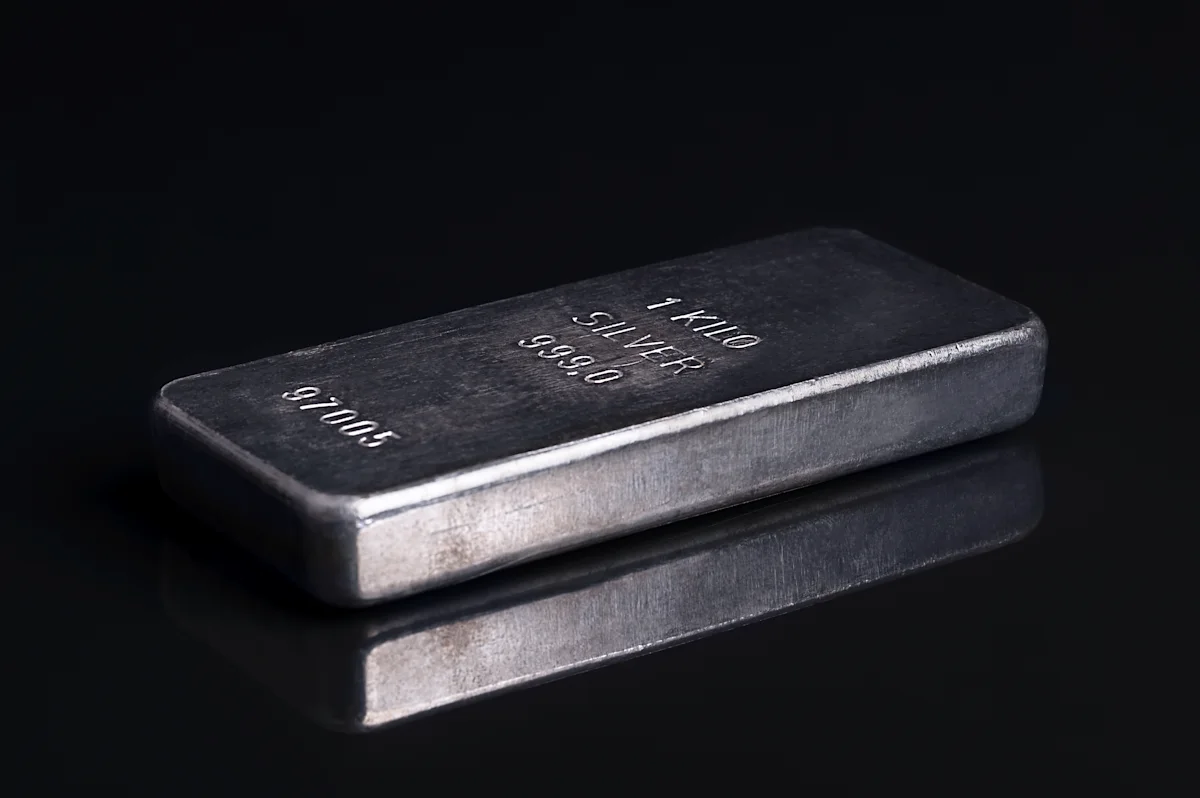
Silver (SI=F) September futures opened at $68.63 per ounce on Wednesday, August 26, 2026, down 0.1% from Tuesday's closing price. The metal held steady through the morning, trading at $68.62 as of 8:10 a.m. ET.
Silver prices have remained remarkably stable this week, with opening prices slipping only marginally each day so far. Even so, silver is holding onto a 17% month-over-month gain, leaving the metal near levels that have kept attention on both its role as a precious metal and its industrial uses.
Precious metals were in a holding pattern on Wednesday morning as markets awaited the Federal Reserve's preferred inflation gauge, the Personal Consumption Expenditures (PCE) Price Index, set for release within minutes, along with Fed Chair Kevin Warsh's speech on Friday at the Jackson Hole symposium. Both the PCE report and Warsh's remarks are expected to give markets further clues about where inflation stands and how it will affect the Fed's actions next month. That makes the week particularly relevant for metals traders, since silver often reacts to shifts in inflation expectations and interest-rate outlooks while also reflecting demand from manufacturing sectors.
Current price of silver
The opening price of silver futures on Wednesday, August 26, 2026, was 0.1% lower than Tuesday's closing price. Measured against today's opening price, silver has changed as follows:
- Versus one week ago: +8.6%
- Versus one month ago: +17%
- Versus one year ago: +78.2%
For context, silver's year-over-year growth was 173.3% on May 14.
Silver vs. gold: long-term performance
Over the past 50 years, gold has outperformed silver, delivering higher long-term returns. Prices of both metals have risen dramatically since the 1970s, but their roles in the economy and their long-term performance differ considerably.
Governments and investors view gold as a store of value, and central banks hold large gold reserves to protect their economies against global inflation or geopolitical crises. Gold is also widely used to produce jewelry.
Silver is far more abundant in supply than gold, but it also has more uses. The metal plays a significant role in manufacturing and industrial production, where companies use it to make solar panels, electronics, and medical devices. That industrial demand can affect silver's price, causing more drastic price changes than gold typically experiences.

