Sibanye approves Mt Lyell copper-gold project and Burnstone gold project
Key Takeaways
- •Sibanye-Stillwater approved both the Mt Lyell copper-gold project in Tasmania and the Burnstone gold project in South Africa.
- •The company plans to allocate $7.5 million to Mt Lyell in 2026 as part of a $340 million restart, with first ore expected in 2029.
- •Burnstone has 2.7 million ounces of gold reserves and is expected to produce about 130,000 ounces a year over a 25-year mine life.
- •Mt Lyell is projected to produce up to 26,000 tonnes of copper, 16,000 ounces of gold and 116,000 ounces of silver annually once fully operational.
- •Sibanye-Stillwater said its stronger half-year earnings, driven by higher metal prices, provide a favourable backdrop for funding future development.
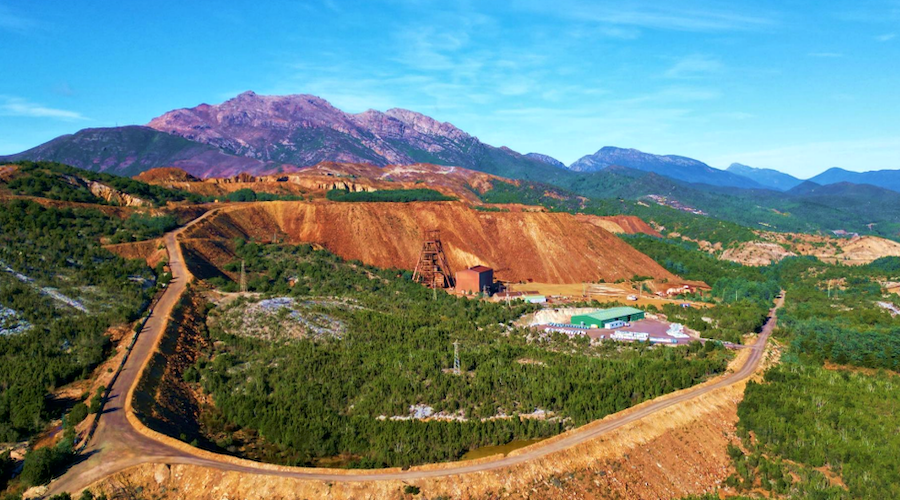
Sibanye-Stillwater (JSE: SSW; NYSE: SBSW) has approved its Mt Lyell copper-gold project in Tasmania and its Burnstone gold project in South Africa, moving ahead with two long-life developments as stronger metals prices improve its finances.
The Johannesburg-based miner plans to spend $7.5 million (A$11 million) on Mt Lyell in 2026 as part of a $340-million restart of the historic mine near Queenstown, with first ore targeted for 2029. At steady state, the operation is expected to produce as much as 26,000 tonnes of copper, 16,000 oz. of gold and 116,000 oz. of silver annually.
“We are pleased that Burnstone and Mt Lyell have recently received a positive investment decision by the board to proceed, marking a further step in unlocking unrealized value from the Group’s organic project portfolio,” Sibanye-Stillwater said on Tuesday.
The approvals show Sibanye is selectively advancing its project pipeline even as it directs most of its capital toward organic growth, particularly its South African platinum group metals business. Mt Lyell is the second offshore greenfields project approved by the South African miner, following its Keliber lithium development in Finland.
Shares in Sibanye-Stillwater eased from $11.90 in New York early on Tuesday to $11.74, down 0.8% on the day near the close, valuing the company at $8.27 billion.
Project pipeline
Keliber was commissioned earlier this year, and Sibanye said it would consider expanding the operation to produce refined battery-grade metal in 2027.
Sibanye has included $5 million for Burnstone and $7.5 million for Mt Lyell in its updated 2026 capital expenditure guidance as it advances both projects toward first ore in 2029.
Burnstone, which has 2.7 million oz. in gold reserves, is expected to produce about 130,000 oz. annually over a 25-year mine life. Sibanye said the project would help shift its South African gold portfolio toward shallower, lower-risk and longer-life production.
Mt Lyell will require total project capital of about $340 million to restart the historic Tasmanian operation. At steady state, the mine is expected to produce 26,000 tonnes of copper, 16,000 oz. of gold and 116,000 oz. of silver annually over a 23-year mine life, at an all-in sustaining cost of $2.56 per lb. of copper. That cost profile and the long mine life help explain why the restart matters for a miner balancing growth projects with capital discipline: it adds future copper exposure without changing the company’s focus on existing operations and funded development.
The two approvals add copper and gold growth to Sibanye’s pipeline while its existing operations benefit from sharply stronger precious metals prices, potentially giving the miner greater flexibility to fund development from internal cash flow.
Metals boost
Sibanye announced the investment decisions alongside half-year results showing profit more than tripled as higher gold and platinum group metals prices lifted earnings.
Headline earnings per share rose to about 33¢ for the six months ended June 30 from about 10¢ in the same period a year earlier. The company declared an interim dividend of about 11¢ per share, returning roughly $314 million to shareholders.
Average realized PGM prices increased 67% at Sibanye’s southern African operations and 70% in the U.S., while its realized gold price climbed 35% during the half-year.
“Notwithstanding the commodity price tailwinds, the positive takeaway was the steady operational delivery which has been a key focus for management,” BMO analyst Raj Ray wrote in a note on Tuesday.
The company said the stronger pricing environment provides a favourable backdrop as it commits capital to projects that will broaden its future production mix beyond its established PGM and gold operations, while the 2026 capital plan shows how the group is sequencing those investments alongside near-term returns to shareholders.
