Shell Approves Phase 3 of Malikai Deepwater Field Offshore Malaysia
Key Takeaways
- •Shell has made a final investment decision on Malikai Phase 3, which will add four producing wells to the deepwater field located off the coast of Sabah, Malaysia.
- •Phase 3 is projected to increase Malikai's production by 60%, raising output from approximately 25,000 to 40,000 barrels per day once fully operational.
- •First production from the new phase is scheduled for the third quarter of 2028, reflecting the extended lead times typical of deepwater drilling projects.
- •The project will reuse existing single combo riser technology from earlier phases to minimize cost and execution risk rather than deploying new subsea architecture.
- •Sabah Shell Petroleum Company operates the field with co-venture partners ConocoPhillips and Petronas Carigali, supporting Malaysia's efforts to offset declines in mature shallow-water basins.
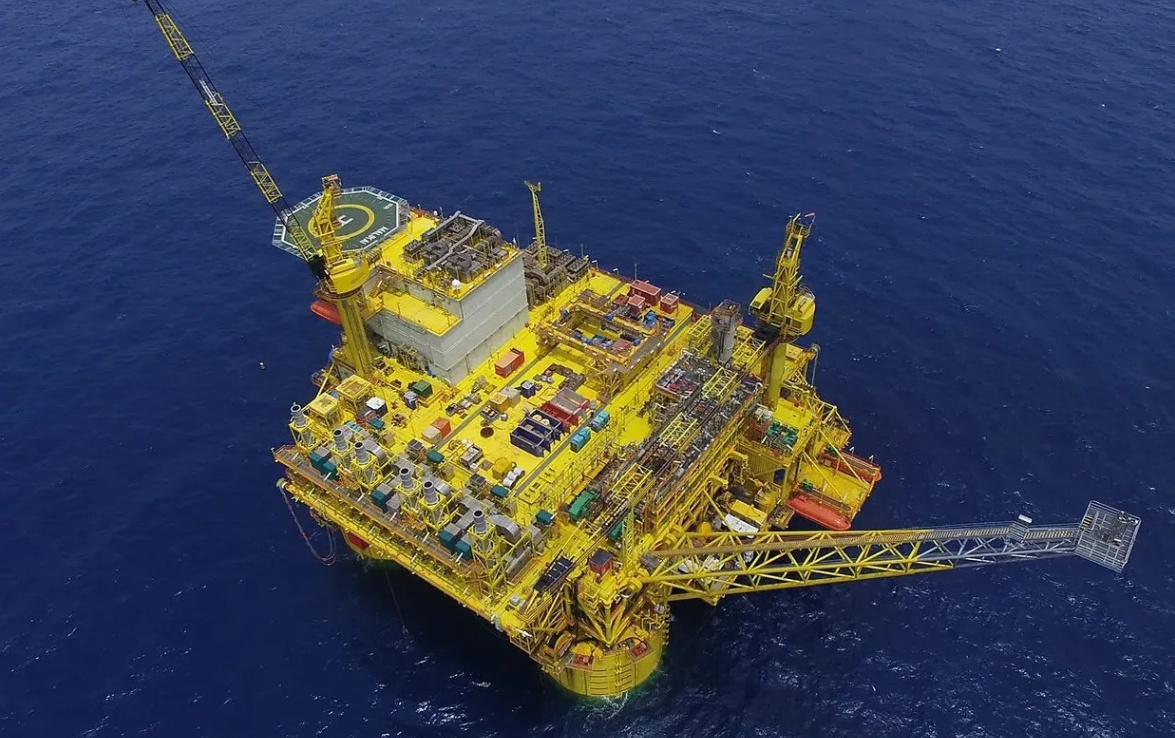
Shell has taken a final investment decision (FID) on the third phase of the Malikai deepwater oil development off the coast of Sabah, Malaysia, through its subsidiary Sabah Shell Petroleum Company. The decision underscores the continued role of deepwater brownfield expansions in sustaining offshore production, as operators increasingly favor incremental developments tied to existing infrastructure over higher-cost greenfield projects.
Phase 3 will involve drilling four additional oil-producing wells designed to boost the field's recoverable reserves. The expansion aligns with Shell's broader strategy of sustaining material liquids production at approximately 1.4 million barrels per day through 2030 and beyond. The company has been concentrating its upstream portfolio on large-scale, long-life assets — including deepwater developments in the Gulf of Mexico, Brazil, and Malaysia — where break-even costs are competitive and production can be sustained through phased investments.
Once Phase 3 is fully operational, Malikai's output is expected to rise by 60% — from the current level of roughly 25,000 barrels per day to approximately 40,000 barrels per day. First production from the new phase is targeted for the third quarter of 2028, reflecting the multi-year lead times typical of deepwater drilling and subsea tieback projects.
The development will continue to utilize the single combo riser technology that was originally deployed during Malikai Phase 1 and subsequently adopted in Phase 2, which came online in 2021. This approach allows the project to build on proven infrastructure rather than requiring entirely new subsea architecture, reducing both cost and execution risk.
Sabah Shell Petroleum Company serves as operator of the Malikai field, which was commissioned in 2016. The facility features Malaysia's first tension leg platform (TLP), a floating production structure tethered to the seabed for stability in deep water. The platform is situated approximately 100 kilometers offshore Sabah in water depths of around 500 meters.
Malikai represents Shell's second deepwater asset in Malaysia. The project's co-venture partners are ConocoPhillips and Petronas Carigali, the exploration and production arm of Malaysia's national oil company Petronas. For Petronas, maintaining production from deepwater fields off Sabah is central to offsetting natural decline in mature shallow-water basins and supporting Malaysia's position as a significant regional hydrocarbon producer.
In addition to Malikai, Sabah Shell Petroleum Company operates the Gumusut-Kakap-Geronggong-Jagus East field — Shell's first deepwater development in Malaysia. That field has been producing since 2014, has advanced to its fourth development phase, and currently averages approximately 76,000 barrels of oil per day.
Shell has a long-standing presence in Malaysia's upstream sector, dating back to the early 20th century, and remains one of the country's key international energy operators.
Source: Splash247

