Shanghai Port Surpasses 2 Million cbm in Cumulative LNG Bunkering
Key Takeaways
- •Shanghai Port has supplied over 2 million cubic meters of cumulative LNG bunker fuel to 355 vessels since commencing operations in January 2022.
- •The port's bonded LNG bunkering volume doubled from 1 million to 2 million cubic meters in just eighteen months, compared to roughly four years needed to reach the first million.
- •Shanghai completed China's first ship-to-ship bonded LNG bunkering operation for an international vessel on March 15, 2022, under a regulatory framework established by eleven government departments.
- •International Maritime Organization emissions regulations, including the 2020 global sulfur cap and greenhouse gas reduction targets, are accelerating demand for LNG as an alternative marine fuel and driving orders for dual-fuel vessels.
- •Chinese authorities intend to transform Shanghai into a global green marine fuel bunkering and trading hub by 2030 to compete with Singapore and Rotterdam in the alternative-fuel supply chain.
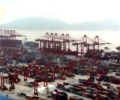
Shanghai Port has surpassed 2 million cubic meters (approximately 894,000 metric tonnes) of cumulative LNG bunker deliveries, marking a significant milestone since the port launched its LNG bunkering operations in 2022.
The milestone was reached when the Pacific International Lines (PIL) container vessel Kota Eagle received 4,549 cbm (around 2,033 mt) of LNG from SIPG Energy's LNG bunkering vessel at Lvhuashan Anchorage off Shanghai. A total of 355 vessels have been bunkered to date to achieve this cumulative volume.
Liquefied natural gas has emerged as a key alternative marine fuel as the global shipping industry seeks to reduce emissions of sulfur oxides, nitrogen oxides, and carbon dioxide compared with conventional heavy fuel oil. The International Maritime Organization (IMO) has set targets for reducing greenhouse gas emissions from international shipping, building on its 2020 global sulfur cap that lowered the permissible sulfur content in marine fuel from 3.5% to 0.5%. Together, these regulations are driving growing demand for cleaner bunker fuels at major ports worldwide, and accelerating orders for dual-fuel LNG vessels across container, tanker, and bulk carrier segments.
Shanghai's LNG bunkering programme began on 30 January 2022, when 11 government departments — including the Shanghai Municipal Commission of Commerce and the Shanghai Municipal Development and Reform Commission — introduced trial measures for bonded LNG bunkering of international vessels in the Lin-gang Special Area. This created the regulatory framework for the pilot programme.
Less than two months later, on 15 March 2022, Shanghai Port completed China's first ship-to-ship bonded LNG bunkering operation for an international vessel, according to the Lin-gang Special Area authority. Bonded bunkering allows fuel supplied to international vessels in designated zones to be exempt from import duties and taxes.
The authority noted that it took four years for Shanghai Port's cumulative bonded LNG bunkering volume to grow from zero to 1 million cbm (around 447,000 mt) in early 2025, but only one and a half years to double that volume to 2 million cbm (approximately 894,000 mt). The accelerated pace reflects the rapidly expanding global fleet of LNG-fueled vessels calling at Chinese ports.
Chinese authorities aim to transform Shanghai into an international green marine fuel bunkering and trading hub by 2030, positioning the port to compete with established bunkering centers such as Singapore — the world's largest bunkering port by volume — and Rotterdam in the global alternative-fuel supply chain.
Source: By Tuhin Roy, ENGINE,

