Saudi Crude Tanker Sails Dark Through Bab al-Mandeb as Red Sea Risks Rise
Key Takeaways
- •The Greek-owned tanker Merbabu carried Saudi crude through the Bab al-Mandeb Strait with its AIS transponder switched off and later reappeared in the Arabian Sea with its signal restored.
- •Houthi forces announced an expanded blockade this week targeting Saudi oil shipments transiting the Bab al-Mandeb Strait, a critical maritime chokepoint connecting the Red Sea to the Gulf of Aden.
- •Maritime intelligence firm Windward observed that Houthi enforcement targets crew and vessel ownership rather than cargo, as two China-operated tankers carrying Saudi crude passed through the strait without incident.
- •Saudi Arabia has rerouted most of its crude oil shipments through the Bab al-Mandeb Strait and its Red Sea terminal at Yanbu to bypass the Strait of Hormuz for westbound deliveries.
- •Traffic through the Bab al-Mandeb Strait has continued despite the Houthi blockade, though some vessels such as the Denmark-flagged Torm Innovation have reversed course and headed toward the Suez Canal.
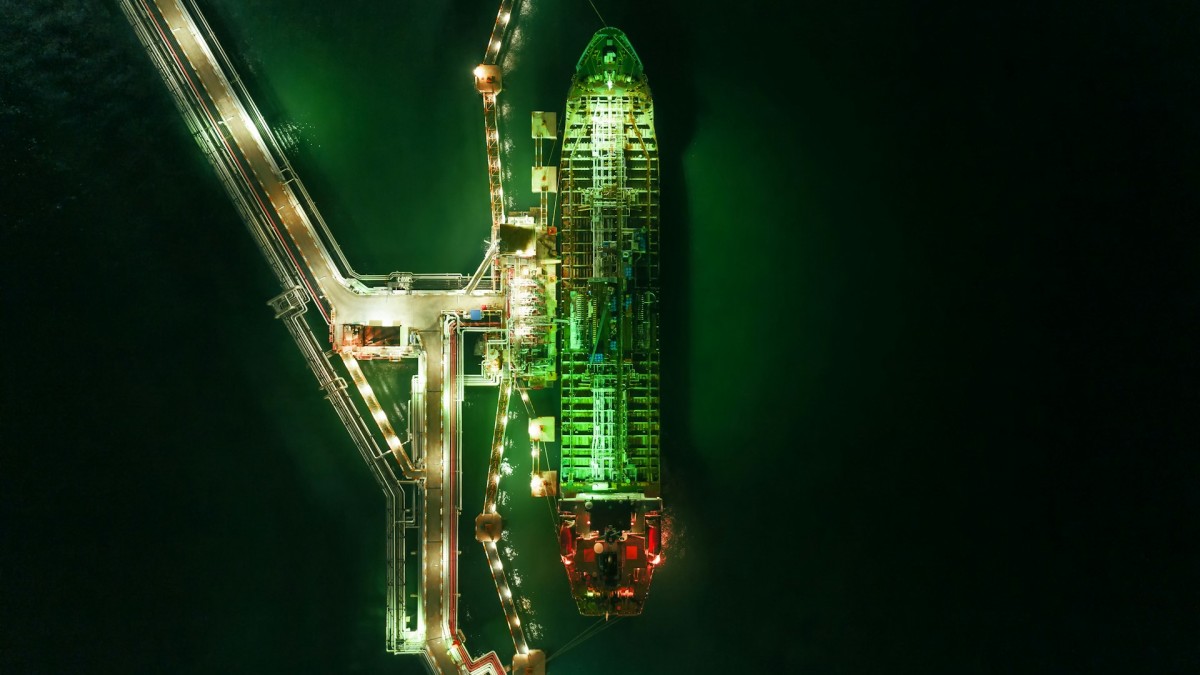
An oil tanker carrying Saudi crude transited the Bab al-Mandeb Strait with its transponder switched off after risks to vessels in the Red Sea increased this week, following a Houthi announcement of a blockade on Saudi shipments and attacks on vessels off Yemen.
The Merbabu, a Greek-owned tanker loaded with Saudi crude, passed through the Bab al-Mandeb Strait in so-called dark mode. The practice has been used for months by many shippers and tanker operators seeking to avoid detection and hostile targeting in the Strait of Hormuz.
The vessel reappeared in the Arabian Sea late on Thursday with its AIS positioning signal switched on, according to tanker-tracking data monitored by Bloomberg. Its previous signal had been broadcast from the Red Sea.
In that earlier Red Sea transmission three days ago, the Merbabu openly broadcast the message “NO LINK ISRAEL UK US,” according to MarineTraffic data. The message mirrors the kind of signage and signalling that some commercial vessels have adopted since Houthi forces began attacking shipping they allege is connected to Israel or its allies.
Traffic through Bab al-Mandeb has not collapsed, unlike at the Strait of Hormuz. Vessels, particularly those not carrying Saudi oil, continued to move both out of and into the Red Sea on Friday. The strait, which connects the Red Sea to the Gulf of Aden, is one of the world's most heavily used maritime oil transit chokepoints, handling millions of barrels of crude and refined products daily en route to and from the Suez Canal.
Earlier this week, the Iran-aligned Houthis said they had expanded their campaign against maritime traffic by targeting Saudi oil shipments through the Bab el-Mandeb Strait, a key Red Sea chokepoint. Saudi Arabia has redirected most of its crude oil shipments through the route to bypass the Strait of Hormuz, leveraging its Red Sea terminal at Yanbu for westbound deliveries to European and Atlantic basin buyers.
Tankers bound for China appear to be continuing through Bab el-Mandeb. Other vessels, including the Denmark-flagged products tanker Torm Innovation, have turned around in the Red Sea and are now heading north toward the Suez Canal.
Despite the Houthi blockade, “two China-crewed, China-bound tankers loaded at Yanbu and cleared Bab al-Mandeb apparently untouched,” maritime intelligence firm Windward said on Thursday in a post on X.
“Enforcement is calibrated to crew and ownership, not cargo. Saudi crude keeps moving as long as the vessel carrying it sits outside the target set,” Windward said.

