Saudi Aramco Extinguishes Fire at Jazan Refinery, No Casualties Reported
Key Takeaways
- •Saudi Aramco extinguished a fire at its Jazan refinery with no casualties reported, though the extent of equipment damage and operational impact remains undetermined.
- •The Jazan refinery can process up to 400,000 barrels of crude oil per day and represents a significant portion of Saudi Arabia's total domestic refining capacity, which exceeds 2.5 million barrels per day.
- •The refinery's location near the Red Sea and close to Yemen makes it strategically important for both Saudi domestic energy security and international maritime trade routes.
- •Claims by Yemen's Houthi movement of an alleged drone attack on the facility have not been independently verified, and the confirmed cause of the fire remains unknown.
- •The incident occurs amid heightened geopolitical tensions across the Middle East, where energy markets remain sensitive to perceived risks at critical oil infrastructure even when physical supply is not immediately disrupted.
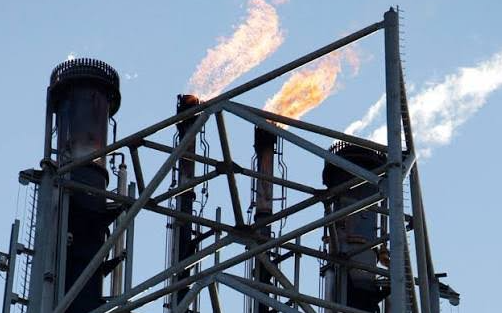
Saudi Aramco has extinguished a fire at a facility within its Jazan refinery in southwestern Saudi Arabia, with no casualties reported, according to Reuters.
The incident occurred at one of the kingdom's key refining complexes, a facility capable of processing up to 400,000 barrels of crude oil per day. That capacity represents a meaningful slice of Saudi Arabia's total domestic refining footprint, which exceeds 2.5 million barrels per day across multiple facilities. The Jazan refinery, which began commercial operations in late 2020 following years of construction, is one of the newest additions to that network and a critical component of the country's downstream energy infrastructure.
The fire comes as energy markets continue to monitor security risks across the Middle East, particularly around critical oil facilities and shipping routes. Saudi authorities confirmed the fire was extinguished and that no casualties were reported. Initial information did not indicate the extent of any damage to the refinery or whether normal operations were affected, leaving the potential impact on production and refining activity an open question for energy markets.
Fire Extinguished at Major Saudi Refinery
The Jazan refinery is located in southwestern Saudi Arabia, close to the Red Sea and relatively near the country's border with Yemen. The facility is designed to process up to 400,000 barrels of crude oil each day, making it one of the most important components of Saudi Arabia's refining network outside the kingdom's major oil-producing areas.
Unlike crude oil production facilities, refineries process crude into usable petroleum products, including gasoline, diesel, jet fuel, and other products used by consumers and industries. A disruption at a refinery can therefore have a different effect from a disruption at an oil field. Even if crude production continues normally, damage to refining capacity can potentially affect supplies of finished fuels.
In the case of Jazan, there was no immediate indication that the fire had caused a prolonged interruption. The immediate response focused on extinguishing the fire and securing the affected area. The absence of reported casualties is significant given the complexity of a large-scale refinery.
No Casualties Reported
Industrial refineries contain highly combustible materials and operate with equipment exposed to high temperatures and pressure. A fire at such a facility can quickly become dangerous if it spreads to nearby processing units, pipelines, or storage areas. Emergency teams must act quickly to isolate the affected section and prevent flames from reaching other parts of the complex.
Saudi authorities reported that the fire was extinguished without casualties. Further information may be needed to determine whether any equipment sustained damage and whether individual processing units were temporarily taken offline. The distinction between a contained fire and a major operational incident will be important for the oil market. If the damage is limited, the event may have little effect on Saudi Arabia's overall fuel supply. If important processing equipment requires extensive repairs, the consequences could be more significant.
Why the Jazan Refinery Matters
The Jazan refinery was developed as part of Saudi Arabia's broader strategy to expand its downstream energy industry, a pillar of the kingdom's Vision 2030 economic diversification plan aimed at reducing reliance on crude oil exports. For decades, Saudi Arabia has been known primarily as a major crude oil producer and exporter. More recently, the kingdom has invested heavily in refining and petrochemical production, seeking to capture more value from its hydrocarbons before they reach international markets.
The Jazan complex plays an important role in that strategy. Its location along the Red Sea provides Saudi Arabia with additional energy infrastructure outside its traditional production and export centers in the eastern part of the country. That geographic diversification can be valuable during periods of regional instability. The kingdom has developed infrastructure on both sides of the Arabian Peninsula, giving it multiple options for moving and processing crude oil.
Red Sea Location Adds Strategic Importance
The refinery's location makes the latest incident particularly notable. Jazan lies near the Red Sea and close to Yemen. The area has experienced security concerns linked to the conflict in Yemen, including previous threats against Saudi infrastructure.
The Red Sea itself has become a major focus of international security concerns. The waterway connects the Indian Ocean with the Mediterranean through the Bab el-Mandeb Strait and the Suez Canal. Roughly 6 to 9 million barrels of oil and petroleum products move through the Bab el-Mandeb chokepoint each day, according to assessments by the U.S. Energy Information Administration. When shipping becomes more difficult or dangerous, companies may reroute vessels around Africa, adding significant distance to journeys and increasing transportation, fuel, and insurance costs.
For Saudi Arabia, protecting energy facilities along the Red Sea is important not only for domestic energy security but also for maintaining reliable international trade.
Regional Tensions Remain a Concern
The Jazan incident comes amid broader tensions across the Middle East. The region remains one of the most important areas for global energy production, with Saudi Arabia, Iran, Iraq, the United Arab Emirates, and other countries accounting for a substantial share of worldwide oil output.
Any major escalation can affect investor expectations and oil prices even before physical supply is disrupted. Markets often respond to the perceived risk of future disruptions. An incident at a refinery can therefore attract attention even if production ultimately continues without interruption. Energy traders typically watch for additional information regarding the cause of an incident, the amount of equipment damaged, and the expected duration of any shutdown.
Houthi Claims and What Is Confirmed
The incident has also been discussed in connection with claims by Yemen's Iran-aligned Houthi movement. The group has previously claimed attacks against Saudi energy infrastructure, most notably the September 2019 strikes on the Abqaiq and Khurais facilities that temporarily removed roughly 5 percent of global oil supply. However, claims made during an active regional conflict can be difficult to independently verify, and the Abqaiq incident itself was attributed by several governments to Iranian weaponry rather than Houthi-operated systems.
The confirmed information is that a fire occurred at the Jazan facility and was extinguished, with no casualties reported. The cause of the fire and the extent of any damage require separate verification. Maintaining that distinction is important when reporting on incidents involving strategic infrastructure. A claim of an attack does not by itself establish that a facility was successfully struck. For energy markets, independently confirmed information remains critical because inaccurate reports can create unnecessary volatility.
Saudi Arabia Has Extensive Energy Infrastructure
One reason Saudi Arabia can absorb isolated incidents is the scale and diversity of its energy infrastructure. The kingdom has major oil fields, processing facilities, pipelines, refineries, storage sites, and export terminals spread across different regions. That network provides a degree of redundancy. If one facility experiences a temporary disruption, other parts of the system can potentially continue operating.
Saudi Aramco also has extensive experience managing complex industrial facilities. The company operates some of the world's largest oil production and processing systems and has invested heavily in safety, emergency response, and infrastructure protection. That does not eliminate risk, but it can reduce the potential consequences of isolated incidents.
What a Refinery Disruption Could Mean for Fuel Markets
The potential market impact of the Jazan fire depends largely on whether refining operations were affected. Crude oil and refined products are separate parts of the energy market. A refinery converts crude into products that consumers and businesses actually use. If refinery capacity is lost, crude may still be available, but gasoline, diesel, and other fuels can become tighter in particular markets.
A prolonged shutdown at a 400,000-barrel-per-day facility could therefore have a more noticeable effect than a brief fire that causes no meaningful operational interruption. Saudi Arabia has other refineries that can help provide flexibility. Still, the Jazan complex represents a substantial amount of capacity.
Saudi Aramco Remains Central to Global Energy Markets
Saudi Aramco is one of the most important companies in the global energy industry. The company operates enormous oil production and refining assets and plays a major role in Saudi Arabia's economy. Because of its scale, any major disruption involving Aramco infrastructure can attract international attention.
Investors monitor Aramco not only for its production figures but also for developments affecting its refineries, pipelines, and export terminals. The company's ability to maintain operations during periods of geopolitical instability is an important part of global energy security. The Jazan incident represents another test of the resilience of Saudi Arabia's downstream infrastructure.
Oil markets have been dealing with increased geopolitical uncertainty, particularly across the Middle East. Energy prices can react quickly to developments that threaten production or transportation. The market does not need to lose millions of barrels of oil immediately for prices to move—the possibility of future disruptions can be enough to influence expectations. Traders will be watching whether the Jazan incident remains isolated or becomes part of a broader pattern of attacks or operational problems.
Coin Bureau Also Highlights the Development
The incident has also received attention from the Coin Bureau account on X (@coinbureau), which has covered developments involving Saudi energy infrastructure and the broader relationship between geopolitical events and financial markets.
While the Jazan refinery is primarily an energy story, developments in global oil markets can have implications across the wider financial system. Energy prices influence inflation, transportation costs, industrial production, and consumer spending. Those factors can affect everything from equity markets to interest-rate expectations. They can also influence investor sentiment toward higher-risk assets, including cryptocurrencies. That broader connection explains why developments involving major oil facilities can attract attention from financial audiences beyond traditional energy investors.
The Importance of Emergency Preparedness
The successful extinguishing of the fire highlights the importance of emergency response systems at major refineries. A modern refinery contains thousands of interconnected components. A problem in one area can potentially spread to another if it is not quickly isolated. Specialized emergency teams are trained to deal with fires involving petroleum products, pressurized systems, and industrial chemicals. Their response can determine whether an incident remains localized or develops into a much larger emergency. The fact that no casualties were reported is an important outcome and provides some indication that the immediate safety response was effective.
Saudi Arabia's Red Sea Strategy
Saudi Arabia has increasingly emphasized the importance of its western coast. The kingdom has invested in industrial projects, ports, tourism developments, and energy infrastructure along the Red Sea. Jazan is part of this broader economic transformation, anchored by the planned Jazan Economic City project. The refinery supports the region's industrial base while providing Saudi Arabia with additional refining capacity. Its proximity to maritime routes also offers opportunities for supplying refined products to international markets, making the protection of the facility strategically important.
What Investigators Will Need to Determine
The next stage will likely involve a detailed assessment of the facility. Investigators and engineers will need to determine what caused the fire and which areas were affected. They will also need to inspect equipment before allowing normal operations to resume. Key questions include whether processing units were damaged, whether production was temporarily reduced, and whether repairs will be necessary. The answers will determine the significance of the incident for oil markets.
The Global Energy Security Picture
The incident is another reminder of how interconnected the global energy system has become. Saudi Arabia may be thousands of miles away from consumers in Europe, Asia, or North America, but disruptions at Saudi facilities can potentially affect international markets. Oil is traded globally, refined products are transported across borders, and shipping routes connect producers and consumers on different continents. A disruption in one region can create price and supply effects elsewhere, especially when it occurs near a strategic transportation route.
Investors Will Watch for Further Updates
For now, investors have limited information about the long-term consequences of the fire. The most important confirmed developments are that the fire was extinguished and no casualties were reported. The facility's 400,000-barrel-per-day capacity means the incident is significant enough to warrant attention, but capacity alone does not establish that the same amount of production has been lost. More information from Saudi authorities and Aramco will be necessary to determine whether operations were affected.
A Houthi claim involving an alleged drone attack has added to the attention surrounding the incident, although such claims require independent confirmation. There is no confirmed indication that the fire has caused a major disruption to Saudi Arabia's overall oil production or refining system. Any prolonged outage could potentially affect regional fuel markets, while a broader pattern of attacks against Saudi energy infrastructure could increase concerns about global oil supplies.
With global markets already sensitive to geopolitical developments, investors will continue watching Saudi Aramco and the Jazan refinery for information about the facility's operating status. The larger question is whether the incident will remain a localized industrial event or become another sign of growing pressure on critical energy infrastructure across the Middle East.

