Saudi Arabia's Oil Production Nears Prewar Levels as OPEC Output Hits 22.8 Million Barrels per Day
Key Takeaways
- •Saudi Arabia boosted its crude production by 970,000 barrels per day in October, bringing output near 9.2 million bpd and almost restoring prewar levels.
- •OPEC's total production has reached 22.8 million barrels per day, indicating a supply recovery that extends beyond Saudi Arabia.
- •Market pricing implies a reduced probability that WTI crude will reach high price thresholds in November 2026.
- •Saudi Arabia's position as the world's largest crude exporter and OPEC's most influential member makes its output a closely watched gauge of global supply conditions.
- •Future oil price movements may hinge on OPEC production target announcements, Middle East geopolitical developments, and upcoming U.S. EIA crude inventory data.
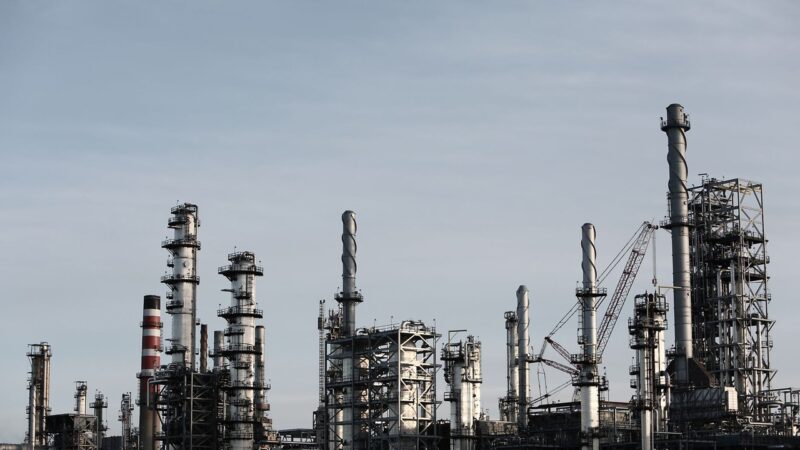
Saudi Arabia's oil production has nearly returned to prewar levels, according to a report by the Financial Times.
The country's crude output increased by 970,000 barrels per day (bpd) in October, approaching 9.2 million bpd. The rebound brings Saudi production close to the levels recorded before recent regional conflicts.
Saudi Arabia is the world's largest crude oil exporter and the most influential member of the Organization of the Petroleum Exporting Countries (OPEC), the Vienna-based group of oil-producing nations founded in 1960 that coordinates production policy among its members. Its output levels are therefore closely watched as an indicator of global supply conditions.
The group reported that its total output has reached 22.8 million bpd, suggesting a broad recovery in regional oil supply beyond Saudi Arabia alone. For consumers and businesses, figures like these matter because crude costs are a key input into the prices of gasoline, diesel, and other refined products.
The improved supply picture is also reflected in market pricing, which suggests a decreased likelihood of WTI Crude Oil, one of the principal global benchmarks for crude prices, reaching high price thresholds in November 2026. Such market-based odds are typically derived from futures and options markets, where traders price the probability of crude reaching specific levels by specific dates.
From here, observers should monitor OPEC's next moves, especially any announcements regarding future production targets that could influence global oil prices.
Developments in the Middle East, such as potential ceasefires or renewed geopolitical tensions, may also impact oil market dynamics.
In addition, new data from the U.S. Energy Information Administration (EIA), the statistical agency of the U.S. Department of Energy, on crude inventory levels could provide further insight into future oil price movements.

