Russian Oil Production Rises Above 9 Million Barrels Per Day in July
Key Takeaways
- •Russia's crude oil and condensate output rose by approximately 100,000 barrels per day in July 2026, bringing total production above 9 million bpd.
- •The production increase was driven by higher crude exports and a partial recovery in refinery throughput following earlier damage.
- •Russia has sustained oil exports despite Western sanctions by relying on Asian buyers and a fleet of non-Western tankers operating outside traditional frameworks.
- •Ukrainian drone attacks intensified in late July and early August, forcing several refineries to suspend operations and complicating Russia's export strategy.
- •Russia plans to raise crude exports from western ports by 4% in August, though tight tanker availability in the Black Sea could constrain this plan.
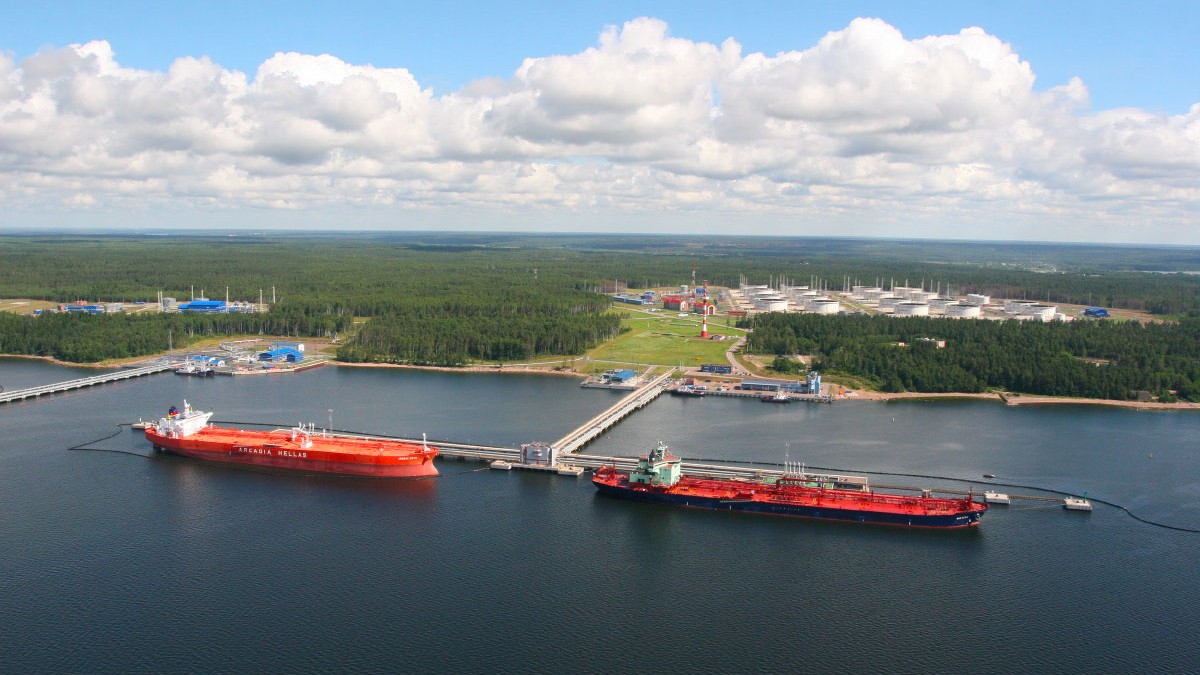
Russia increased its oil production in July 2026, as stronger export volumes and a partial recovery in refinery operations gave producers additional outlets for their barrels, according to two industry sources who spoke with Reuters on Thursday.
Crude oil and condensate output rose by approximately 100,000 barrels per day (bpd) from June, bringing total production above 9 million bpd. Russia ranks among the world's top three oil producers alongside the United States and Saudi Arabia, meaning production shifts of this magnitude carry implications for global supply balances. Oil and fuel sales remain critical revenue sources for Russia's national budget, giving Moscow a strong incentive to maintain output levels despite international sanctions and repeated attacks on its energy infrastructure.
OPEC estimates placed Russian production at 8.928 million bpd in June, representing a decline of 61,000 bpd from May and a drop from the 9.129 million bpd averaged across the full year 2025. Russia ceased publishing official oil production figures several years ago, leaving outside estimates and anonymous industry sources as the primary means of assessing the country's output. As part of the OPEC+ alliance, Russia has voluntary production targets, though verifying compliance has been complicated by the absence of transparent official data.
The July production increase was driven by higher crude exports and a partial recovery in refinery throughput, following damage earlier in the year that had knocked significant processing capacity offline. Russia's central bank noted that refinery attacks and export constraints had already weighed on production, while limited pipeline and port capacity made it difficult to redirect displaced refinery barrels to international markets. Despite a G7-imposed price cap on Russian crude and an EU ban on seaborne Russian oil imports, Moscow has sustained export flows by relying on alternative buyers in Asia and a fleet of non-Western tankers operating outside traditional insurance and shipping frameworks.
August may present a different picture. Ukrainian drone attacks intensified in late July and early August, forcing several refineries to suspend operations. On Thursday, a fire broke out at a refinery in Russia's Yaroslavl region following another drone strike.
Russia plans to increase crude exports from its western ports by 4% in August, as unplanned refinery outages free up additional barrels for export. However, this strategy depends on Moscow's ability to secure sufficient shipping and loading capacity. Available tanker supply in the Black Sea is already tight, and further refinery disruptions could overwhelm existing export routes.
The situation presents an increasingly complex challenge for Russian oil producers. Damaged refineries can temporarily boost crude exports by freeing barrels that would otherwise be processed domestically, but excessive outages leave producers with more crude than ports and tankers can handle.
Source: OilPrice.com

