Russian Diesel Exports Plunge to Multiyear Low as Refinery Strikes Squeeze Global Supply
Key Takeaways
- •Russian diesel and gasoil exports collapsed to approximately 80,000 barrels per day in early August 2026, compared to roughly one million bpd during the same period a year earlier.
- •Ukraine's sustained drone campaign targeting Russian oil refining infrastructure has forced multiple major refineries offline, contributing to domestic fuel shortages lasting more than three months.
- •Declining diesel flows from both Russia and the Persian Gulf simultaneously have tightened the global middle distillate market, pushing refining cracks and margins in the Atlantic Basin to record highs according to the IEA.
- •The IEA forecasts global refinery crude throughputs to decline by an average of 2.5 million bpd in 2026 before rebounding by 3.5 million bpd in 2027.
- •Global seaborne trade in petroleum products fell by 3.8 million bpd despite U.S. fuel exports rising approximately 700,000 bpd year over year in July.
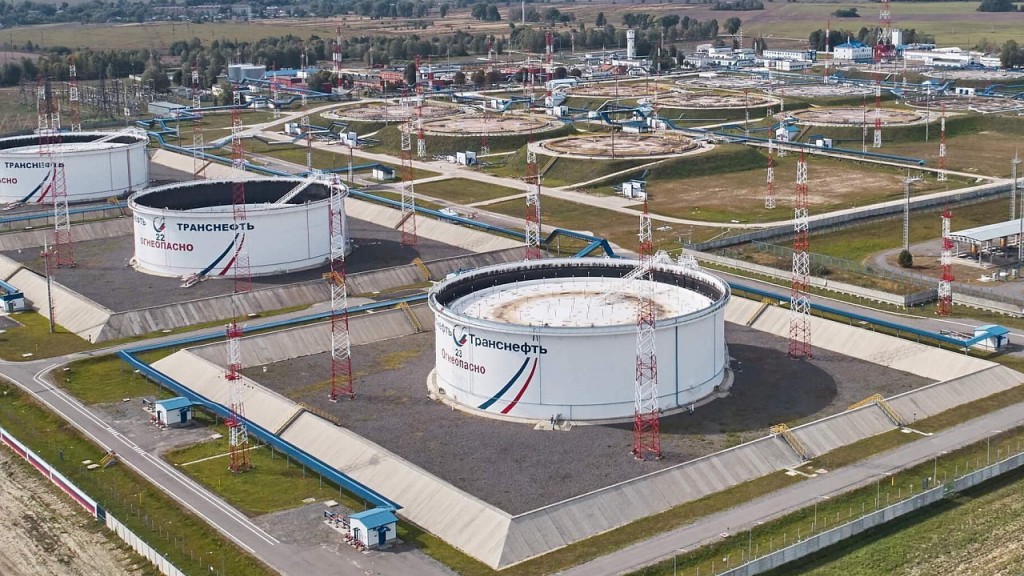
Russian diesel and gasoil exports collapsed to approximately 80,000 barrels per day (bpd) during the first seven days of August, marking the lowest level in years, according to data compiled by Bloomberg. The figure represents a dramatic decline from the roughly 1 million bpd of diesel and gasoil that Russia exported during the same period last year. Russia had been one of the world's largest seaborne diesel exporters prior to the conflict, meaning a pullback of this magnitude removes a substantial volume from a market where middle distillates power heavy-duty trucking, shipping, agriculture, and industrial equipment.
The steep drop comes as Moscow has extended restrictions on diesel exports in response to a prolonged domestic fuel crisis. Ukraine has waged a sustained drone campaign throughout 2026 targeting Russian oil refining infrastructure and supply routes, aiming to pressure the Kremlin toward peace negotiations. The strikes have forced several major refineries offline during the spring and summer months, leaving Russia grappling with gasoline and diesel shortages for more than three months during peak demand season.
The contraction in Russian fuel supply is further tightening an already strained global market for middle distillates, which is significantly more constrained than the crude oil market. Supply disruptions have been compounded by reduced fuel flows from the Persian Gulf, amplifying pressure on refined petroleum markets worldwide. With both Russian and Middle Eastern diesel flows declining simultaneously, buyers in Europe, Africa, and parts of Asia face fewer sourcing alternatives heading into the autumn harvest and winter heating seasons—periods that typically elevate distillate demand.
In its latest monthly Oil Market Report, the International Energy Agency (IEA) reported that global refinery crude throughputs rose in July but remained nearly 5 million bpd below year-ago levels, at 80.9 million bpd. The agency forecasts global throughputs to decline by an average of 2.5 million bpd in 2026 before rebounding by 3.5 million bpd in 2027.
"Tighter light and middle distillate markets boosted cracks and margins in the Atlantic Basin to record highs," the IEA stated.
Despite U.S. fuel exports rising by approximately 700,000 bpd in July compared with a year earlier, global seaborne trade in petroleum products plummeted by 3.8 million bpd, driven by declining diesel and jet fuel exports from both Russia and the Middle East, according to the IEA's assessment. The increase in U.S. exports, while notable, has not been sufficient to offset the combined shortfall from Russia and the Persian Gulf.
By Charles Kennedy for Oilprice.com.

