Russian Crude Exports Fall to Lowest Level Since May Amid Refinery Recovery and Port Disruptions
Key Takeaways
- •Russian seaborne crude exports averaged 3.71 million bpd over the four weeks ending August 9, with the most recent week falling to 3.25 million bpd from 3.5 million bpd the prior week.
- •Russian crude and condensate production rose by approximately 100,000 bpd in July, surpassing 9 million bpd, as earlier export strength and recovering refinery throughput supported output.
- •The Novorossiysk Black Sea terminal has been operating at roughly half its peak crude-loading capacity following attacks on tankers near the port, and Baltic loadings at Ust-Luga declined to approximately half their volume from two weeks earlier.
- •Year-to-date seaborne crude flows are still averaging 3.62 million bpd, roughly 280,000 bpd above last year's average.
- •Deliveries of Russian crude to India have remained robust, reinforcing India's position as a cornerstone buyer since Western sanctions reshaped trade flows in 2022.
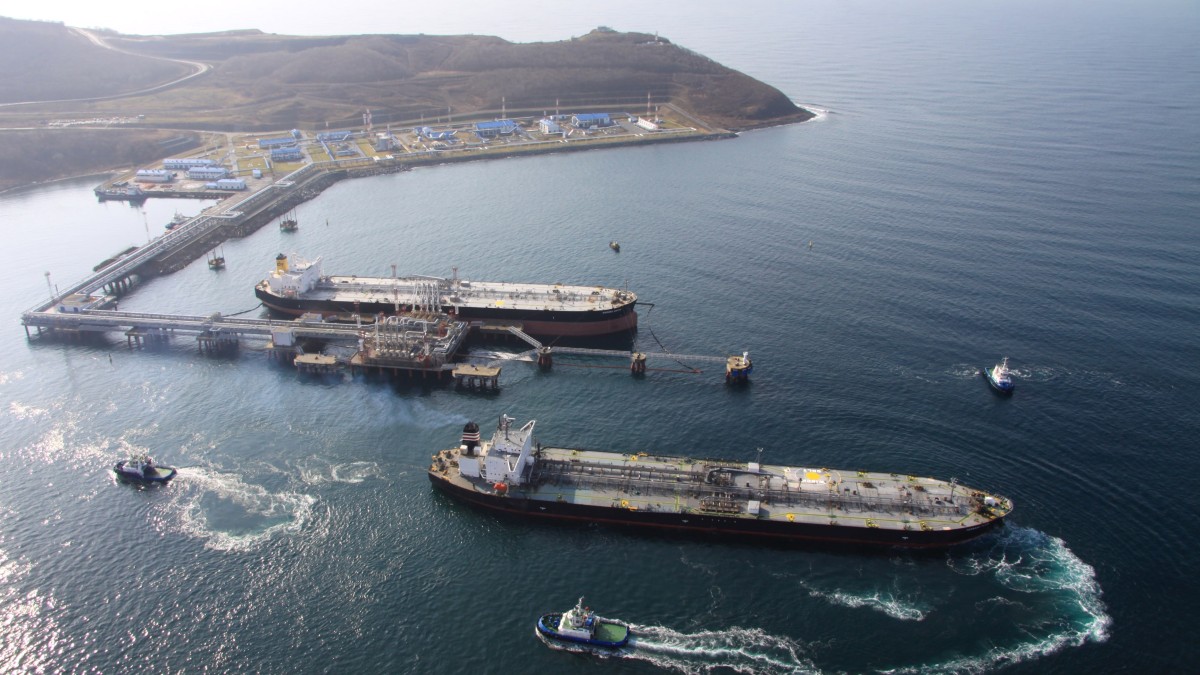
Russia's seaborne crude oil exports have dropped to their lowest level since May, as recovering domestic refinery operations diverted barrels away from export markets and Ukrainian attacks disrupted loadings at key ports.
According to vessel-tracking data compiled by Bloomberg, Russia shipped an average of 3.71 million barrels per day (bpd) over the four weeks ending August 9. In the most recent week alone, shipments averaged just 3.25 million bpd, down from 3.5 million bpd the prior week.
The decline in exports comes shortly after industry sources reported that Russian crude and condensate production rose by approximately 100,000 bpd in July, surpassing 9 million bpd. That production increase was attributed to stronger export volumes earlier in the period and a recovery in refinery throughput.
During the second half of July, Russian refineries experienced a temporary respite from Ukrainian drone strikes, enabling operators to carry out repairs and ramp up processing rates. As a result, more crude was directed into domestic refining rather than loaded onto tankers for export. During that lull in refinery attacks, Ukraine redirected some of its strikes toward Black Sea tanker traffic and storage facilities.
Novorossiysk, one of Russia's primary Black Sea export terminals, has recently been operating at roughly half of its peak crude-loading capacity following attacks on tankers near the port. Turkey also temporarily restricted certain Black Sea maritime traffic. Meanwhile, Baltic loadings at Ust-Luga declined to approximately half the volume recorded two weeks earlier.
Ukraine struck five Russian refineries during the first week of August and targeted an additional two this week, potentially displacing more crude from domestic processing back into the export market. Russia had already planned to increase August shipments from its western ports as refinery outages freed up additional barrels.
However, logistical constraints continue to limit export capacity. Tanker availability in the Black Sea remains tight, port operations are constrained, and repeated attacks are complicating both loading and transit operations. These disruptions add to the existing challenges Russia faces in moving crude to market under the G7's $60-per-barrel price cap and the EU's ban on seaborne Russian oil imports, measures that have pushed Russia to rely increasingly on alternative shipping and insurance arrangements and redirect flows toward buyers in Asia.
On a year-to-date basis, seaborne crude flows are still averaging 3.62 million bpd, approximately 280,000 bpd above last year's average. Russia's floating crude inventories at sea declined to roughly 107 million barrels as shipment volumes slowed, while deliveries to India remained robust, underscoring the country's role as a cornerstone buyer of Russian crude since Western sanctions reshaped trade flows in 2022.
By Julianne Geiger for Oilprice.com

