Russia Turns to South Korea for Fuel as Refinery Crisis Deepens
Key Takeaways
- •Russia received roughly 30,000 metric tons of refined fuel from South Korea as Ukrainian drone strikes on its refineries created domestic supply shortages.
- •Russian refinery throughput fell to 3.6 million barrels per day last month, the lowest since 2002 and more than 30% below seasonal averages.
- •Russian crude oil production rose to over 9 million barrels per day in July, highlighting the widening gap between crude output and domestic refining capacity.
- •Russia has extended its ban on diesel fuel exports through the end of 2025, exacerbating tight global diesel supplies, particularly in Europe.
- •Ukrainian attacks disrupted the Caspian Pipeline Consortium route, forcing Kazakhstan to reduce its oil production by approximately 50% last month.
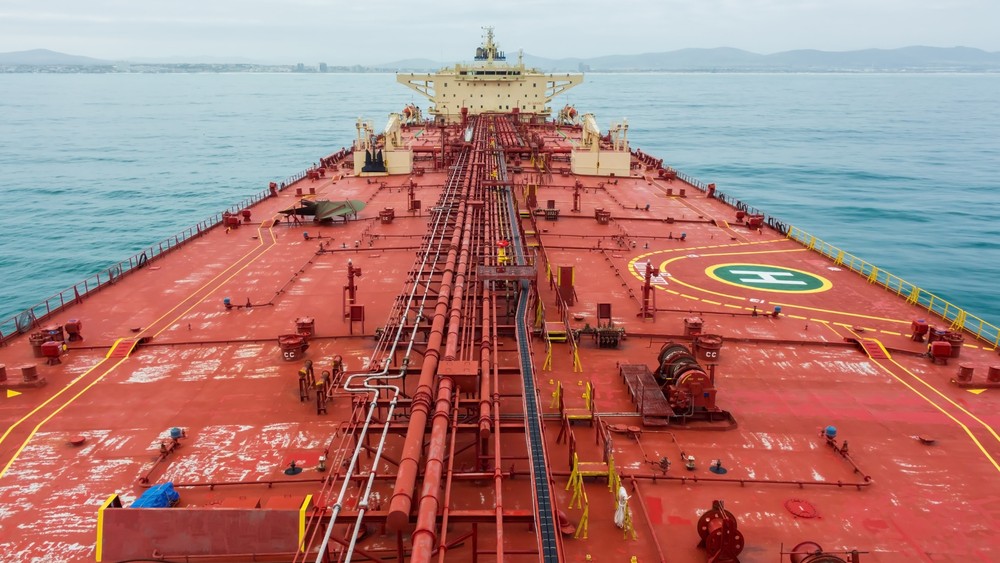
Russia imported approximately 30,000 metric tons of refined fuels from South Korea last month as it sought to offset supply shortages driven by continued Ukrainian drone strikes on its refineries. The shipments mark a notable role reversal for Russia, which has historically ranked among the world's largest exporters of refined petroleum products.
According to a Reuters report citing ship-tracking data from Kpler and Vortexa, at least two short-range tankers were loaded with fuel in South Korea and dispatched to Russia's Far East. South Korea, home to some of Asia's largest refining complexes, is a logical supplier given its relative proximity to Russian Pacific ports. Data confirmed that one vessel had already arrived at its destination.
Reuters noted, citing unnamed sources, that the two South Korean cargoes consisted of diesel fuel and some jet fuel.
The shipments come amid a sharp decline in Russian refinery throughput. An earlier Bloomberg report indicated that throughput fell last month to 3.6 million barrels per day, the lowest level since 2002 and more than 30% below the seasonal average.
Meanwhile, Russian crude oil production has been moving in the opposite direction. The July average exceeded 9 million barrels per day, according to unnamed sources cited by Reuters. If confirmed, this would represent an increase of roughly 100,000 barrels per day compared with June's average of 8.93 million barrels per day. The divergence underscores a core consequence of the refinery strikes: Russia continues to pump crude but has diminishing capacity to process it into fuels at home.
Russia has been working to restart previously damaged refineries, and local sources report that shortages have been easing. However, Ukraine has continued its campaign of strikes. President Volodymyr Zelensky stated earlier this week that two additional facilities were hit deep inside Russian territory in what he described as "long-range" attacks, as reported by the BBC.
The attacks have led Russia to impose a ban on diesel fuel exports, which was recently extended through the end of the year. This measure has intensified an already tight global diesel supply situation, with Europe being particularly affected. Russia has also restricted gasoline exports to ensure sufficient supply for the domestic market.
Ukrainian attacks have additionally disrupted the flow of Kazakh crude oil through the Caspian Pipeline Consortium, which terminates at the Russian Black Sea port of Novorossiysk. The disruption forced Kazakhstan to cut oil production by approximately 50% last month.
By Irina Slav for Oilprice.com

