Russia Says Oil Output Drop Is Temporary as Refineries Restart
Key Takeaways
- •Novak stated the oil production dip is temporary and output will rise as refineries resume operations, noting fuel supply improved this week.
- •Ukraine's intensified drone attacks on Russian refineries since spring have caused a gasoline and diesel crunch and disrupted export terminals in the Black Sea and Baltic Sea.
- •Russia has banned diesel exports, enforceable until the end of September, further tightening global middle distillate supply.
- •Rystad Energy revised its Russian crude production forecast down by about 90,000 bpd, projecting 8.95 million bpd in 2026 and around 8.6 million bpd in 2027.
- •Rystad's Daria Melnik said drone attacks are now constraining Russia's upstream sector, as the export system cannot consistently handle volumes refineries cannot process.
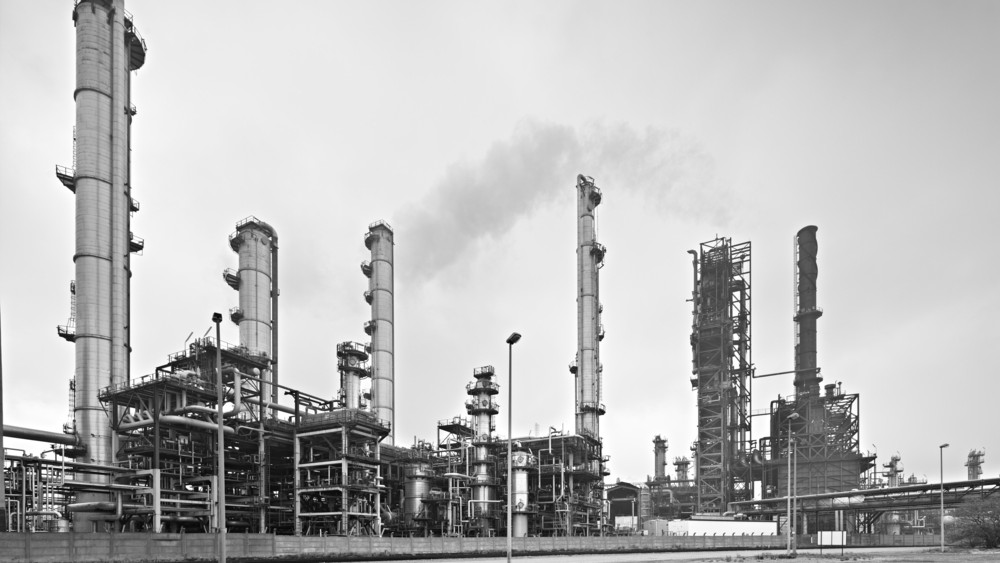
The recent dip in Russian oil production is only temporary and output is expected to recover once refineries come back online after unscheduled maintenance, Deputy Prime Minister Alexander Novak said on Thursday.
"This is a temporary phenomenon, and, generally, oil production will increase as the refineries resume operations and the situation stabilizes," Novak said, as carried by Russian news agency TASS.
Speaking at an economic forum in Vladivostok on Thursday, Novak also said that fuel supply has improved this week, as authorities seek to play down refinery outages caused by Ukrainian drone strikes. Novak, a former energy minister, has served as the Kremlin's chief negotiator on oil policy within the OPEC+ alliance, and his comments carry weight for a group that, together with Saudi Arabia, has managed global supply levels in recent years.
Russia has been grappling with a gasoline and diesel crunch since the spring, when Ukraine intensified drone attacks on Russian refineries with the aim of crippling fuel supply both to the front lines and to the domestic Russian market. Amid the ongoing fuel crisis, authorities have regularly sought to reassure the public and emphasize the resumption of refinery operations, which have been heavily disrupted by the relentless strikes.
As a result of the crunch, Russia has banned diesel exports — a ban currently enforceable until the end of September — which has further tightened global middle distillate markets. Russia is one of the world's largest exporters of diesel and other middle distillates, so disruptions of this scale ripple into European and global supply balances, where distillate inventories have been a watch point for traders and refining analysts alike.
Crude production has also suffered, as attacks have crippled both refinery operations and export capacity, with Ukrainian strikes targeting terminals in the Black Sea and the Baltic Sea.
Following a year of tighter sanctions and Ukrainian attacks on refineries, ports, and tankers, Russia's crude output has fallen further in the second half of 2026, severely affecting the nation's crude production outlook, consultancy Rystad Energy said last month.
In light of these disruptions, Rystad Energy has revised its Russian crude production forecast to average 8.95 million barrels per day (bpd) in 2026, before declining to around 8.6 million bpd in 2027 — down by about 90,000 bpd from the previous forecast.
"The increasing frequency and effectiveness of drone attacks on Russian oil and gas infrastructure is no longer affecting only refineries; it's constraining the country's upstream sector as well," said Daria Melnik, Vice President, Oil & Gas Research at Rystad Energy.
"Every barrel not processed by a refinery must either be exported, placed into storage or removed from production. While Russia was able to absorb that imbalance in June, July demonstrated that its export system cannot consistently handle the additional volumes," Melnik added.
For market watchers, the tension between Novak's official assurance of a recovery and consultancy forecasts of a sustained decline is the dynamic to follow: upcoming Russian production data, the fate of the diesel export ban when it expires at the end of September, and further strikes on export infrastructure will indicate whether the output dip proves temporary, as Moscow insists, or part of the longer slide analysts project.
By Charles Kennedy for Oilprice.com.
