Russia Turns to Kazakhstan for Refining Capacity Amid Fuel Shortage
Key Takeaways
- •Kazakhstan has confirmed ongoing discussions with Russia about processing Russian crude oil at Kazakh refineries, though no formal agreement has been finalized.
- •Russia extended its ban on gasoline and diesel exports through January 31, 2027, reversing prior assurances that the restrictions were temporary.
- •Ukrainian strikes on Russian oil infrastructure, including the Omsk refinery near the Kazakh border, have caused cumulative damage leading to domestic fuel shortages across multiple Russian regions.
- •The proposed arrangement would require Russia to export crude, pay Kazakhstan to refine it, and re-import the finished products, a notable reversal for a historically major refined fuel exporter.
- •The deal would not relieve tight global diesel markets because fuel processed under this arrangement would be consumed locally in Kazakhstan or returned to Russia rather than reaching international buyers.
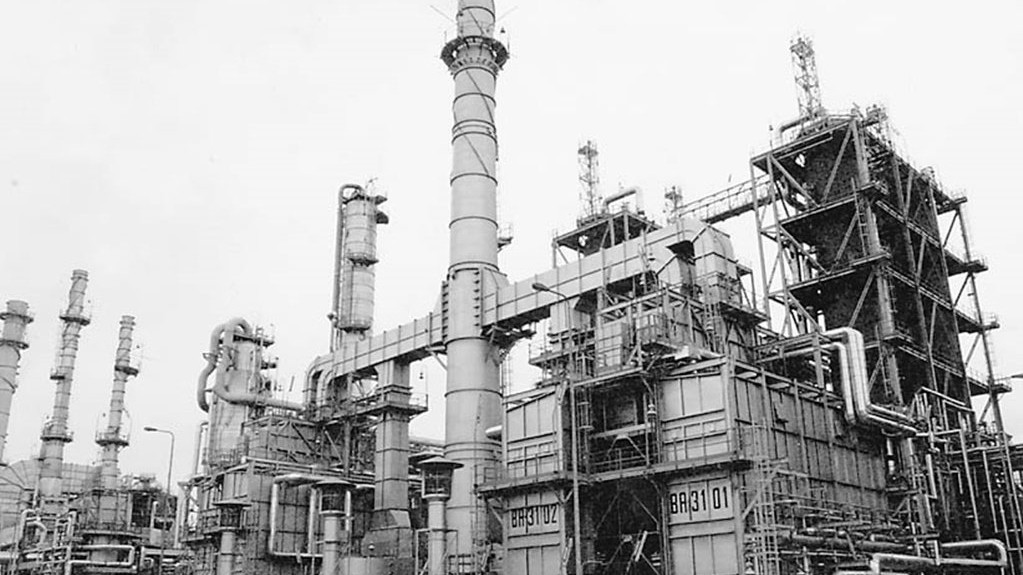
Russia is running low on undamaged oil refining capacity and is now seeking assistance from neighboring Kazakhstan to help bridge the gap.
Kazakhstan confirmed Thursday that it is engaged in discussions with Moscow to process Russian crude oil at Kazakh refineries. Under the proposed arrangement, a portion of the resulting refined fuel would be sold domestically within Kazakhstan, while the remainder would be shipped back across the border to Russia.
Kazakhstan's Energy Ministry stated that no specific volumes, commercial terms, or designated refineries have been identified at this stage, and that market participants would determine where the refined products are ultimately distributed. Both countries are members of the Eurasian Economic Union, which facilitates cross-border trade in energy goods and provides a ready framework for such an arrangement.
For Kazakhstan, the influx of Russian crude would help maintain stable utilization rates at its refineries while bolstering domestic fuel supply. Kazakhstan is itself a major oil producer, with significant refining infrastructure tied to its Caspian Sea oilfields. For Russia, the arrangement is more complicated — the country would need to export crude oil, pay a neighboring state to refine it, and then re-import the gasoline and diesel it can no longer reliably produce at home. The reversal is notable for a country that has historically ranked among the world's largest exporters of refined petroleum products.
Ukraine has conducted months of sustained strikes against Russian oil infrastructure, targeting refineries, storage facilities, export terminals, and other critical assets. The most recent attacks included the Omsk refinery — Russia's largest — situated deep in Siberia near the Kazakh border.
The cumulative damage has triggered fuel shortages across several Russian regions and compelled Moscow to take aggressive measures to control domestic supply. On Thursday, the Russian government extended its restrictions on gasoline and diesel exports through January 31, 2027. The move came just one week after officials had characterized the diesel ban as a temporary measure that would be lifted once supplies recovered. The extension signals that Moscow expects the refining disruption to persist well into the coming years rather than resolve in the near term.
Kazakhstan has already begun supplying limited volumes of refined products to Russia. Processing Russian crude would significantly expand this workaround, although the Energy Ministry has not disclosed how much spare refining capacity Kazakhstan possesses or what volumes of fuel could realistically be returned to Russia.
The proposed arrangement would offer little relief to the broader global diesel market. Any fuel retained in Kazakhstan or shipped back to Russia represents supply that will not reach international buyers, where availability is already constrained due to refinery disruptions in both Russia and the Middle East.
No formal agreement has been finalized. Russia is not facing a crude oil shortage — it is facing a shortage of operational refineries, and is now looking across its border for a solution.
Source: OilPrice.com

