Russian Gold Shipments to Hong Kong Reach Nearly 100 Tonnes in First Seven Months of 2026
Key Takeaways
- •Nearly 100 tonnes of Russian gold arrived in Hong Kong during the first seven months of 2026, nearly triple the volume from the same period in 2025.
- •Hong Kong entities have purchased approximately $35 billion of Russian bullion since 2022, with much of it flowing into mainland China.
- •Hong Kong and mainland China have not joined Western sanctions targeting Russian gold, enabling the trade route through a major financial center.
- •The U.S. Treasury sanctioned several Hong Kong companies involved in Russia's gold trade in 2024, yet shipments have continued to increase.
- •Gold has become an increasingly important source of export revenue for Russia as sanctions pressure constrained its other commodity channels.
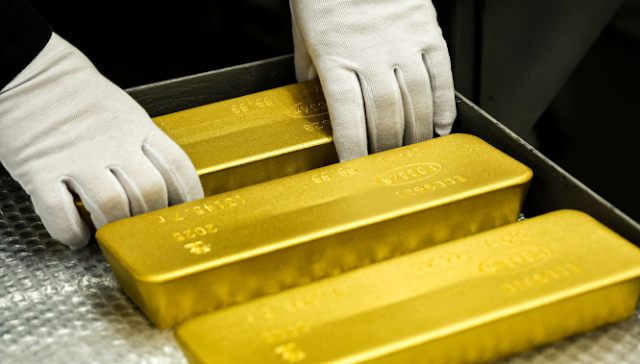
Russia has sharply increased its gold shipments to Hong Kong, with nearly 100 tonnes of bullion arriving during the first seven months of 2026, according to data reported by the Financial Times and highlighted by Coin Bureau on X. The volume is almost three times the amount recorded during the same period last year, underscoring the continued shift in Russia's bullion trade toward Asian markets following Western sanctions. Russia is one of the world's largest gold producers, and gold has become an increasingly important source of export revenue for Moscow since its other commodity channels came under sanctions pressure.
According to the Financial Times, Hong Kong has become an increasingly important conduit for Russian gold destined for mainland China. Since 2022, entities in Hong Kong have purchased roughly $35 billion of Russian bullion, with much of the metal ultimately flowing into China. China is itself the world's largest gold consumer, and its central bank has been a persistent purchaser of bullion, providing deep demand behind the trade route.
Coin Bureau's post on X: https://x.com/coinbureau/status/2096509959957860663
Hong Kong Becomes a Major Route for Russian Gold
Russia's gold trade was significantly disrupted after Western governments imposed sanctions following Moscow's full-scale invasion of Ukraine in 2022. The restrictions effectively closed major Western trading channels to newly produced Russian bullion, prompting exporters to redirect shipments toward markets in Asia and the Middle East.
Hong Kong has emerged as one of those destinations. Unlike the United States, the United Kingdom and other Western jurisdictions, Hong Kong and mainland China have not joined the Western sanctions regime targeting Russian gold imports. The resulting trade route has allowed Russian bullion to continue entering a major international financial and gold-trading center.
The scale of the latest shipments marks a significant acceleration. Nearly 100 tonnes during the first seven months of 2026 represents a record for the period and nearly triples the comparable volume from 2025, according to the Financial Times' analysis of Hong Kong trade data.
U.S. Sanctions Have Not Stopped the Flow
Washington has previously targeted Hong Kong-based companies involved in Russia's gold trade. The U.S. Treasury imposed sanctions on several Hong Kong entities in 2024 as part of broader efforts to restrict Moscow's access to international markets.
The continued increase in shipments illustrates the difficulty of enforcing sanctions across globally interconnected commodity markets. Gold is relatively easy to transport and re-refine, which has historically made full interdiction of its trade difficult once alternative hubs are available. Hong Kong's role as a major financial and trading center, combined with its links to mainland China, provides an alternative route for bullion that has become increasingly important to Russia's external trade.
For the global gold markets, the development also highlights the growing fragmentation of bullion flows along geopolitical lines. Western sanctions have not eliminated Russian gold from international commerce; instead, they have helped redirect a substantial portion of the trade toward Asian markets.
The next point of attention will be whether Hong Kong's record Russian gold imports continue at the current pace through the remainder of 2026, how much of that bullion ultimately enters mainland China, and whether Western regulators impose further measures on the intermediaries handling it.
Source: Hokanews (https://www.hokanews.com/2026/09/russian-gold-shipments-to-hong-kong.html)
