Romania Shuts Down Last Operating Nuclear Reactor as Danube Falls to 90-Year Low
Key Takeaways
- •Romania has begun disconnecting its sole remaining operational nuclear reactor at Cernavoda after the second reactor was shut down in late July, leaving both 706-MW units offline.
- •The Cernavoda plant normally accounts for approximately 20% of Romania's total electricity generation, prompting the country to activate a 330-MW coal-fired plant and rely more on wind power.
- •Danube River water levels have fallen to their lowest point in 90 years due to extreme heat and drought, forcing inland nuclear plants that depend on river cooling to curtail or halt production.
- •Hungary's Paks nuclear plant, which supplies about one-third of the country's electricity, faces similar cooling water challenges, though one turbine recently resumed after rainfall in Austria raised levels slightly.
- •France has also curtailed nuclear output this week amid the summer's fifth heatwave, highlighting how extreme weather increasingly threatens low-carbon baseload power generation across Europe.
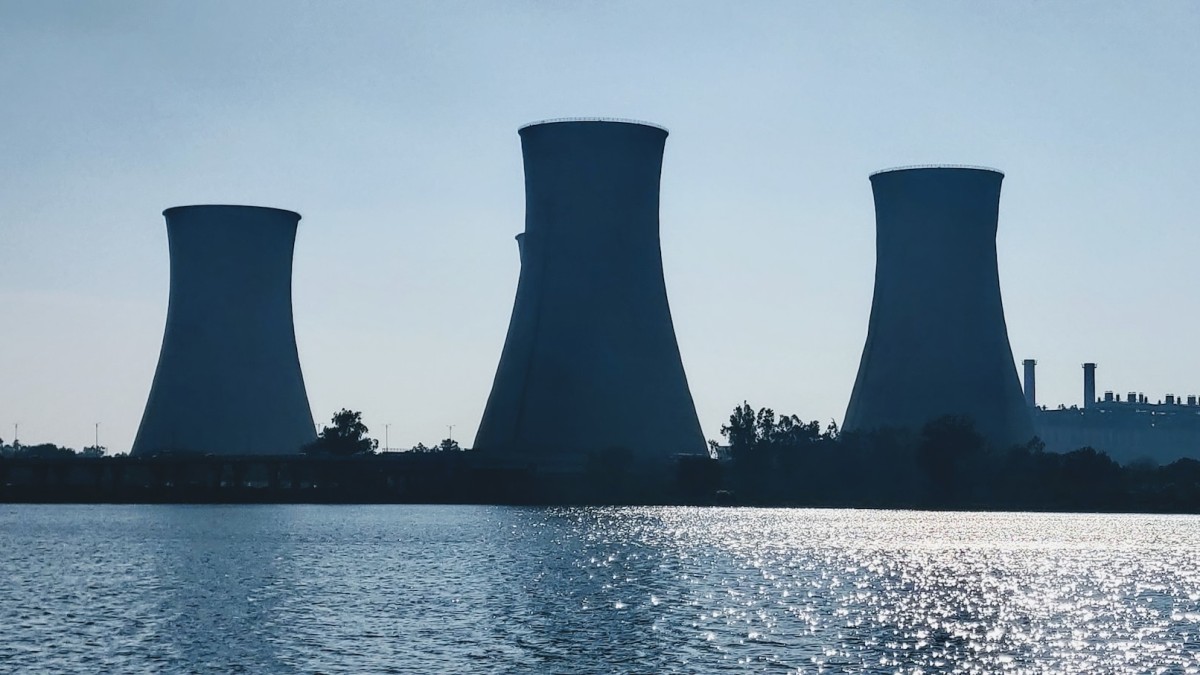
Romania has begun shutting down its sole remaining operational nuclear reactor, as record-low water levels on the Danube River continue to disrupt nuclear power generation across central and eastern Europe. Like most inland nuclear plants, Cernavoda draws river water to cool its condensers, and when flow falls below regulatory thresholds or water temperatures rise too high, operators are required to curtail output or shut down entirely.
Nuclearelectrica, Romania's state-owned nuclear power plant operator, announced on Thursday that it has initiated the disconnection process for the last operating reactor at the Cernavoda nuclear plant, located on the Danube. The move follows the shutdown of a second reactor at the same facility at the end of July, when scorching temperatures and prolonged drought across Europe drove Danube water levels to their lowest point in 90 years.
The two Cernavoda reactors, each rated at 706 MW, normally account for approximately one-fifth of Romania's total electricity generation. To compensate for the loss of both units, Romania has activated a 330-MW coal-fired power plant and intends to increase reliance on wind power where conditions permit. The need to fall back on coal underscores the trade-offs countries face when extreme weather undermines their primary source of low-carbon baseload power.
"We do not foresee a restart within the next ten days," Romeo Urjan, director of the Cernavoda plant, told AFP.
In the weeks leading up to the shutdown, Romania made efforts to delay the inevitable by blasting a rock formation in the riverbed and sinking barges filled with rocks in an attempt to redirect the Danube's flow and ensure sufficient cooling water for the Cernavoda reactors. That measure proved effective for only a few days.
Hungary faces a comparable challenge and plans to deploy similar measures — sinking barges and constructing a sill on the Danube — to keep its only nuclear power plant operational. The Paks plant generates roughly one-third of Hungary's electricity. On Monday, one turbine at Paks resumed production after Danube water levels rose slightly following rainfall in Austria.
The heatwave and scarce rainfall affecting much of Europe have also impacted nuclear output in France. Europe's largest nuclear electricity supplier curtailed production again this week as the fifth heatwave of the summer swept across western Europe. Such curtailments have become a recurring feature of European summers, with prolonged drought and elevated river temperatures repeatedly forcing output reductions at inland nuclear sites across the continent.
By Charles Kennedy for Oilprice.com

