Rio Tinto and Glencore Post Near-Record Results on Elevated Commodity Prices and Middle East Volatility
Key Takeaways
- •Rio Tinto reported a 43% profit increase for the first six months of 2025, with free cash flow rising 75%, reflecting gains from elevated metals prices and a 2025 efficiency programme.
- •Glencore's marketing division generated $2.9bn between January and July, putting it on pace to potentially surpass its annual trading record of $6.4bn set in 2022.
- •Copper prices have climbed more than 66% since 2023 due to electrification demand, with Glencore increasing copper output by 15% and Rio Tinto reporting a 3% year-on-year production rise.
- •Both mining companies had explored a $260bn megamerger before abandoning the talks in February, amid broader industry consolidation efforts to secure transition-critical materials.
- •Market volatility from the Middle East conflict was the primary catalyst behind Glencore's near-record trading performance, which contributed to a 4.4% share price increase at the London open.
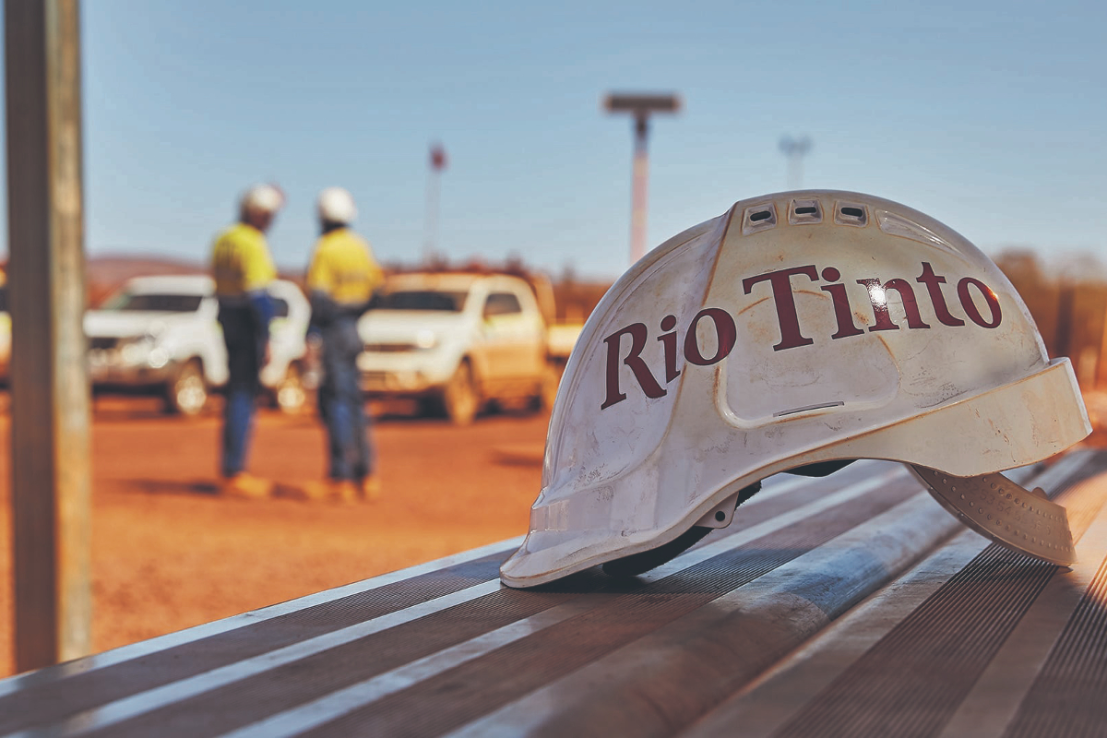
Rio Tinto and Glencore have delivered near-record financial updates, buoyed by this year's persistently high commodity prices and the market volatility spurred by the Middle East conflict.
Rio Tinto reported a 43 per cent increase in profit for the first six months of the year, attributing the gains to elevated metals prices and the efficiency programme the company launched in 2025. Chief Executive Simon Trott described the results as a "step-change performance," highlighting a 75 per cent surge in free cash flow as evidence that the productivity drive is yielding results. The results reinforce a broader recovery across the global mining sector, which has spent the past several years navigating cost inflation, labour shortages, and weaker Chinese steel demand that depressed earnings in 2023 and early 2024.
Glencore, the world's largest diversified miner with a substantial commodity trading arm, said its marketing division generated $2.9bn (£2.4bn) between January and July. That pace puts the division on track to surpass its annual record of $6.4bn set in 2022, when Russia's invasion of Ukraine roiled energy and metals markets. The broader company produced close to $3.5bn, nearly matching its full-year forecast in just six months.
Both companies had explored a $260bn megamerger earlier in the year before abandoning the talks in February. Since then, each has benefited from powerful demand drivers, including the global artificial intelligence build-out and the electrification transition, both of which have sharply lifted prices for key metals. The failed combination was one of several large-scale consolidation attempts reshaping an industry under pressure to secure long-term supplies of transition-critical materials, alongside BHP's bid for Anglo American.
Copper prices have climbed more than 66 per cent since 2023, even as major producers race to expand supply. The metal is central to electrification — used in electric vehicles, power grids, and data centres — and new large-scale mines typically require over a decade to bring online, constraining how quickly output can respond to demand. Glencore posted a 15 per cent increase in copper output as part of its longer-term plan to nearly double annual production of the metal over the next decade. Rio Tinto, the Anglo-Australian mining giant, reported a three per cent year-on-year rise in output.
Volatility tied to the Iran war was the primary catalyst behind Glencore's near-record trading performance, according to the company. Rapid shifts in Middle East developments drove higher trading volumes, providing a significant boost to the Swiss firm. Glencore shares rose more than 4.4 per cent at the open of trading in London.
Chief Executive Gary Nagle cited increased production volumes in zinc, nickel, and gold as key contributors to what he called the miner's "strong production performance" in the first half of the year.

