US Rice Prices Surge Over 47% Since Start of Iran War, Hedgeye Reports
Key Takeaways
- •US rice prices are up more than 47% since the Iran war began on February 28, 2026, according to Hedgeye.
- •Disruptions in the Strait of Hormuz have increased maritime shipping costs and insurance premiums for cargo moving through the region.
- •Fertilizer prices have risen about 40%, lifting production costs for rice and other crops because nitrogen fertilizer depends heavily on natural gas.
- •India, the world’s largest rice exporter, reported lower shipments in the first four months of 2026, with basmati exports to Gulf markets especially affected.
- •Multiple ceasefire attempts had failed by late August 2026, leaving supply-chain pressures and rice-price risks unresolved.
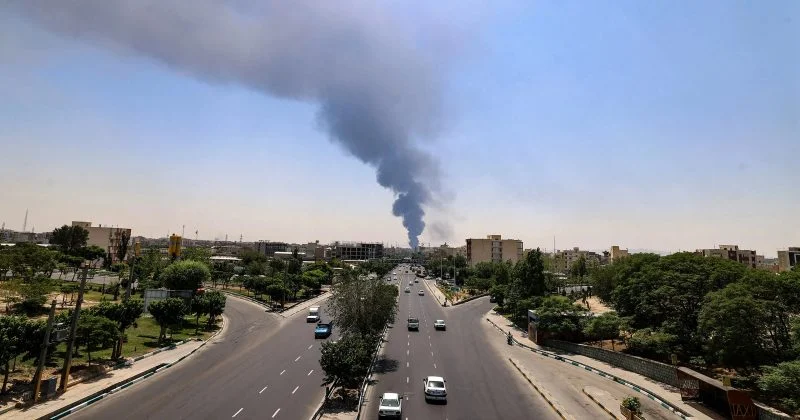
US rice prices have climbed more than 47% since the Iran war began on February 28, 2026, according to Hedgeye. That is not merely a commodity chart spiking — it is the cost of feeding billions of people lurching upward in real time.
The conflict, which pits the US and Israel on one side against Iran and its allies on the other, has done exactly what military analysts warned it would: choke off the Strait of Hormuz, one of the most critical maritime bottlenecks on the planet. When global shipping arteries get clogged, the price of everything that moves by sea goes up — and rice, it turns out, is no exception.
How a war in the Middle East raises the price of rice
The Strait of Hormuz handles a huge share of global oil and LNG trade. When military strikes and retaliatory actions make the passage riskier, shipping costs spike and insurance premiums for vessels transiting the area balloon. The knock-on effects cascade through every supply chain that touches maritime freight.
Fertilizer prices have surged roughly 40% amid these disruptions. When fertilizer becomes 40% more expensive, farmers either eat the margin or pass the cost along — and most cannot afford to absorb it. The fertilizer link runs through energy: nitrogen fertilizer is produced chiefly from natural gas, so crop input costs are tied to the same Gulf energy flows the conflict has disrupted.
India, the world's largest rice exporter, has seen its shipments decline in the first four months of 2026 compared with the prior year. Basmati rice exports to Gulf markets have been particularly hard hit, which makes geographic sense: those shipments travel directly through the conflict zone. Reduced Indian exports tighten global supply at exactly the moment when demand has not budged.
That tightening is amplified by the structure of the rice market itself. Only about a tenth of the world's rice crop ever crosses a border — most is grown and eaten in the same country — so export supply is thin and even modest shifts in availability can move prices sharply.
Food inflation continues to climb
Rice feeds roughly half the world's population. A 47% price increase in a staple grain is not an abstract data point for commodity traders to puzzle over; it is a food security crisis materializing in slow motion.
Food inflation in affected regions has been climbing steadily since the conflict began, and countries in South and Southeast Asia that depend heavily on rice imports are feeling the sharpest pain.
Past rice shocks show how government policy can compound the problem. In 2008, export restrictions by major producers including India and Vietnam helped push rice prices to record highs, setting off food protests in dozens of countries. India's 2023 export curbs similarly helped send global prices to multi-year highs. Whether import-dependent governments now respond with stockpiling, and whether exporters impose fresh restrictions, is one of the key variables to watch in the months ahead.
Multiple ceasefire attempts have failed as of late August 2026, and the conflict shows no signs of winding down. That means the supply chain disruptions driving these price increases are not a temporary shock — they are becoming a structural feature of the current global economy.
What this means for commodity markets
For agricultural commodity markets, the Iran war has introduced a level of geopolitical risk premium that has not existed since the early days of the Russia-Ukraine conflict in 2022. That war sent wheat and fertilizer prices soaring; this one is doing something similar to rice. The US is itself among the world's top five rice exporters and typically ships about half its crop abroad, so domestic prices are closely tied to global supply conditions.
The roughly 40% increase in fertilizer costs is not confined to rice — it is raising the production cost floor for virtually every crop globally.
According to the report, the trajectory of rice prices from here depends almost entirely on the trajectory of the war itself. Every failed ceasefire attempt extends the timeline of elevated shipping costs, rising insurance premiums, and constrained Indian exports. And every month that passes with fertilizer prices up 40% is another month in which the economics of growing rice worsen for producers worldwide.

