Revival Gold Intersects 11.58 g/t Gold at Beartrack-Arnett Project in Idaho
Key Takeaways
- •Hole BT26-255D intersected approximately 132 metres grading 3.43 grams gold per tonne at the Joss zone, including a 43-metre core interval at 6.56 grams gold.
- •CEO Hugh Agro said the continuity across drill intercepts suggests an emerging north-plunging mineralized shoot that remains open for expansion beyond the existing 1.2 km of known strike.
- •Revival Gold shares climbed 15% to 76¢ in Toronto trading, giving the company a market capitalization of approximately $243 million (US$172 million).
- •The Joss zone hosts an underground inferred resource of 877,000 ounces of gold within 6.75 million tonnes grading 4.05 grams, which is not included in the project's 2023 prefeasibility study.
- •Beartrack-Arnett ranks among the five largest gold discoveries made in the United States over the past 15 years, according to S&P Capital IQ Pro.
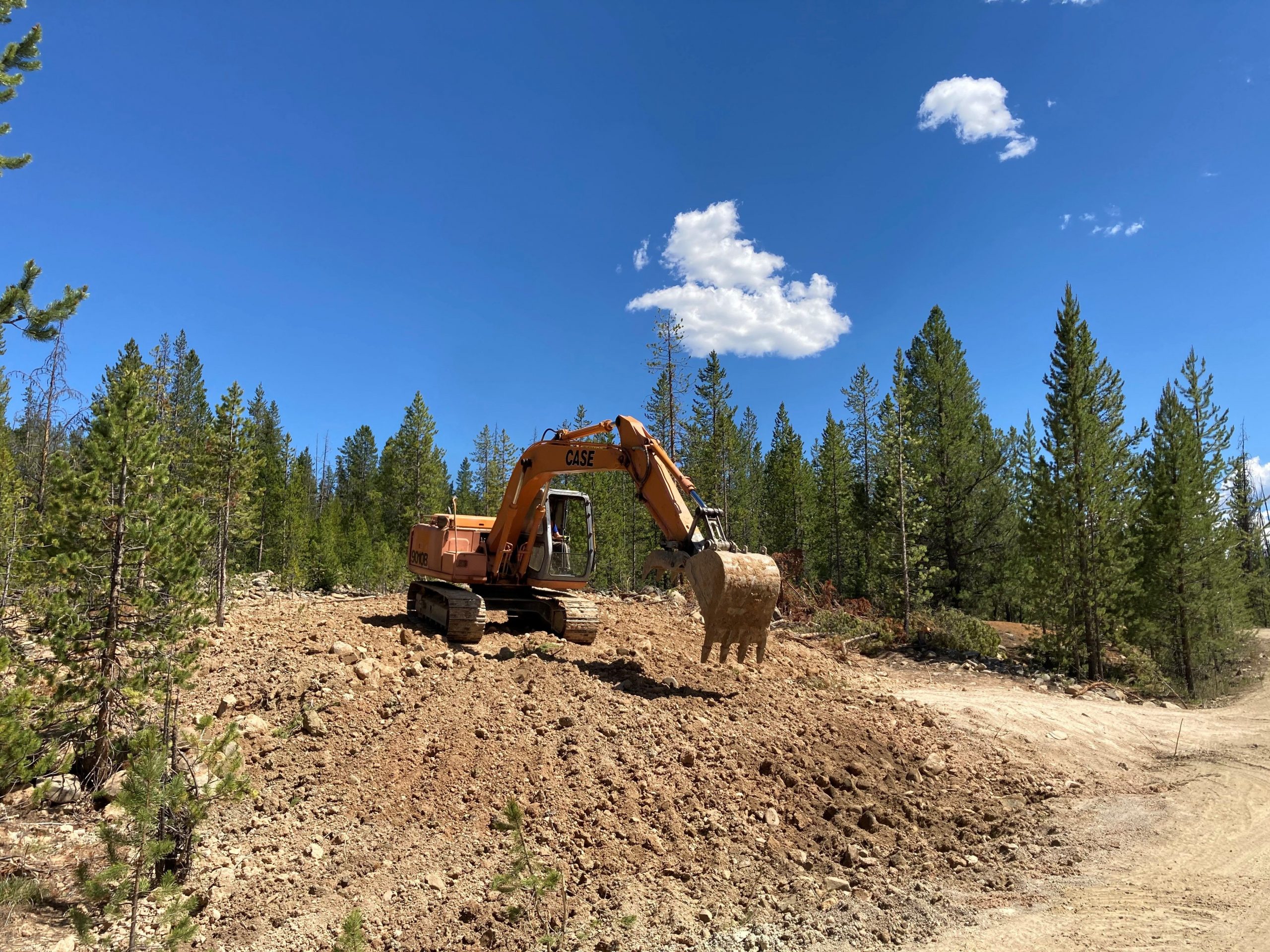
Revival Gold (TSXV: RVG; US-OTCQX: RVLGF) has reported one of its strongest underground drill intercepts to date from the high-grade Joss zone at its Beartrack-Arnett gold project in Idaho, sending shares sharply higher.
According to a company statement, hole BT26-255D returned approximately 132 metres grading 3.43 grams gold per tonne starting at 543 metres downhole. The intercept included a higher-grade core of about 43 metres at 6.56 grams gold from 632 metres depth, within which a 12-metre interval assayed 11.58 grams gold from 639 metres.
The new intercept is positioned roughly 70 metres above high-grade mineralization previously reported in hole BT22-242D and approximately 150 metres below hole BT21-240D. CEO Hugh Agro said the continuity across these intercepts suggests the early definition of a north-plunging shoot that remains open for additional drilling beyond the existing 1.2 km of known mineralized strike. Further assay results are expected in the coming weeks.
The BT26-255D intercept lies within the Panther Creek shear zone, where Revival is targeting the expansion of underground sulphide resources that could eventually complement its staged development plans for Beartrack-Arnett. The strategy of simultaneously advancing heap-leach restarts and underground resource growth at past-producing U.S. gold mines reflects a broader industry trend, as elevated gold prices have improved the economics of revisiting deposits that were shuttered when prices were materially lower.
Revival shares climbed 15% to 76¢ in Tuesday morning trading in Toronto, giving the company a market capitalization of approximately $243 million (US$172 million). Over the past year, the stock has traded in a range between 48¢ and $1.14.
Panther Creek Shear Zone Drilling
All five primary drill holes and three wedge holes completed during the current season intersected the Panther Creek shear zone. Assay results from two remaining wedge holes are still pending, the company said.
Project Overview
Situated approximately 400 km by road northeast of Idaho's capital Boise, Beartrack-Arnett ranks among the five largest gold discoveries made in the United States over the past 15 years, according to S&P Capital IQ Pro. The project covers roughly 63 sq. km and combines the historically producing Beartrack mine with the adjacent Arnett deposit.
Beartrack operated as an open-pit, heap-leach mine from 1994 to 2000, yielding approximately 600,000 ounces of gold before operations ceased due to depressed gold prices. Toronto-based Revival has since consolidated the district and advanced engineering studies aimed at restarting heap-leach production while simultaneously evaluating the higher-grade underground potential at Joss.
Underground Resource Growth
Revival's 5,500-metre drill program this year has extended the Joss zone 240 metres deeper, to 850 metres below surface. Joss, which falls outside Beartrack-Arnett's first-stage heap-leach mine plan, could provide Revival with a higher-grade underground growth pathway as the company advances two past-producing U.S. gold assets toward potential restart. Revival is also conducting heap-leach restart studies at its Mercur project in Utah.
Joss currently hosts an underground sulphide inferred resource of 6.75 million tonnes grading 4.05 grams gold, containing 877,000 ounces of gold. This resource is not included in Beartrack-Arnett's 2023 prefeasibility study (PFS).
The 2023 PFS outlined a mine producing an average of 65,300 ounces of gold annually over an eight-year operating life, with an after-tax net present value (NPV) of US$230 million ($324 million) and an internal rate of return (IRR) of 43%, based on a 5% discount rate and a gold price assumption of $2,175 per ounce. At a gold price of $4,000 per ounce, the after-tax NPV increased to $800 million.

