Middle East War Drives Global Refining Boom as Major Oil Companies Report Record Second-Quarter Earnings
Key Takeaways
- •The war in Iran has disrupted crude oil movements through the Strait of Hormuz, reducing refining throughput across Asia and prompting a temporary Chinese export ban.
- •Global refining margins reached all-time highs as petroleum product supplies became significantly more constrained than crude supplies, driven by conflicts in Iran and Ukraine and years of spare capacity erosion.
- •Shell more than doubled its second-quarter earnings year-over-year, with refinery utilization reaching 102% and its global indicative refining margin climbing to $24 per barrel.
- •TotalEnergies reported a 68% year-over-year increase in adjusted net income to $6 billion, while its European Refining Margin Marker nearly tripled compared to the first half of 2025.
- •U.S. President Donald Trump criticized ExxonMobil and Chevron for excessive profits during the Iran conflict, urging them to reduce consumer fuel prices and return value to the public.
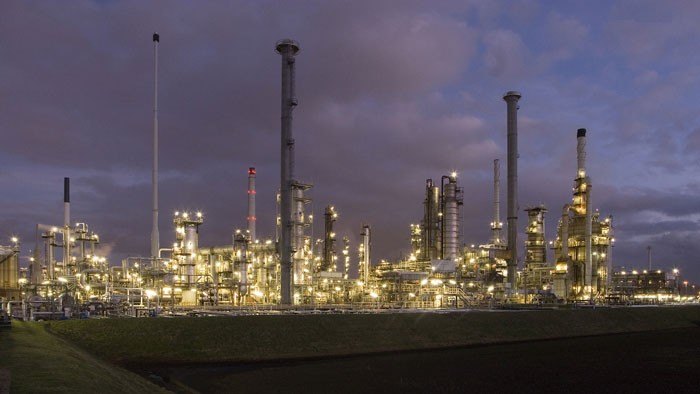
For the second time this decade, a military conflict has disrupted global oil markets, propelling both crude prices and refining margins to multi-year highs and delivering substantial gains to the world's largest oil companies and top refiners.
The war in Iran has constrained fuel supply as crude oil movements through the Strait of Hormuz have been impeded, leading to reduced refining throughput across Asia and a temporary Chinese ban on exports. Fuel markets have tightened even more sharply than crude markets, pushing refining margins to unprecedented levels. The severity of the tightening has been amplified by a years-long erosion of global spare refining capacity, as underinvestment in new facilities and refinery closures across Europe and North America have left the system with limited flexibility to absorb sudden supply disruptions.
Major refiners have reaped the benefits of this new refining boom, with Big Oil companies reporting their strongest second-quarter earnings since the last major conflict-driven disruption—the Russian invasion of Ukraine in 2022. The robust earnings were driven not only by the surge in oil prices between April and June, but also by the significant contribution of refining and trading divisions. For consumers and businesses, the surge in refining margins flows directly into higher retail prices for gasoline, diesel, and jet fuel, intensifying cost-of-living pressures that have already become a political flashpoint in the United States and Europe.
Record Refining Margins
Despite a slump in crude prices and extreme volatility over the past five months, the refined product market has continued to tighten, with refining margins holding at record highs because petroleum product supply is significantly more constrained than crude supply.
Refining margins maintained record levels even as crude oil prices surpassed $100 per barrel. Global supplies of gasoline, diesel, and jet fuel have been tightening for months due to a combination of factors, most originating from the wars in Iran and Ukraine.
Last month, refining margins for gasoline and diesel reached new all-time highs amid intermittent escalation in the Middle East, Russia's ban on diesel exports, and declining global fuel inventories.
In a rare statement last month, Fatih Birol, Executive Director of the International Energy Agency (IEA), said: "There is no room for complacency on oil security amid the escalation in hostilities and a continued drawdown of available commercial inventories."
While assuring markets that IEA member countries still hold more than 1 billion barrels of government-controlled stocks, Birol noted: "Refinery activity and product supplies have not picked up as much as crude deliveries, meaning that markets for refined oil products, including diesel and gasoline, are considerably tighter than those for crude." The IEA's statement is available here.
Big Oil's Bumper Profits
As a consequence of tight fuel markets and soaring refining margins, the world's largest international oil companies reported their strongest second-quarter earnings since at least 2022. These companies also expect refining to continue delivering high earnings in the near term amid distorted fuel markets characterized by restricted supply and limited refining capacity.
Shell more than doubled its second-quarter earnings year-over-year, as higher oil and gas prices, record refinery utilization, and strong trading performance pushed profits above analyst expectations. Shell's Q2 2026 earnings call transcript provides further detail.
Refinery utilization at Shell reached 102% in the April-to-June period, up from 99% in the first quarter of 2026, primarily due to reduced planned and unplanned maintenance activities. Strong refining and chemical margins also contributed to Shell's earnings.
Shell's global indicative refining margin climbed to $24 per barrel from $17 in the first quarter, while the global indicative chemical margin doubled to $270 per ton, up from $139 per ton.
"The operational performance of Refining has been excellent," CEO Wael Sawan said on Shell's earnings call.
TotalEnergies reported a 68% year-over-year increase in adjusted net income, reaching $6 billion for the second quarter of 2026, as rising oil prices and refining margins boosted both earnings and cash flows.
The European Refining Margin Marker for the supermajor rose 19% quarter-over-quarter and nearly tripled year-over-year compared to the first half of 2025, reaching $12.4 per barrel—up from $4.3 per barrel. The full results transcript is available on TotalEnergies' website.
"Refining and Chemicals performed in an exceptional way leveraging market conditions, managing well the tensions on supply of refined products to maximize captured margins," TotalEnergies CEO Patrick Pouyanné said on the earnings call.
The U.S. supermajors, ExxonMobil and Chevron, also reported their highest earnings in years, drawing criticism from U.S. President Donald Trump, who said they are making "too much money" and that "They're going to give some of that back to the public and they better cut the retail price, the consumer price," according to CNBC.
Chevron achieved record refinery throughput exceeding 1 million barrels per day for the second quarter, CEO Mike Wirth said on the earnings call on Friday.
"Middle distillates are really the tight spot right now. Initially, it looked like jet, now diesel," Wirth noted, indicating that European diesel demand could soon rise from relatively weak second-quarter levels as restocking of heating oil begins ahead of winter.
"That lands on top of the export ban from Russia, refinery outages in Russia, the obvious constraints that exist in the Strait," Wirth added.
China and its demand outlook remains a significant uncertainty for the market, but Chevron does not anticipate significant demand destruction, Wirth said, adding: "I think we're going to see some upward pressure on product pricing here into the third quarter and perhaps beyond that."
Exxon's CEO Darren Woods said the supermajor expects a continued "very robust refining market with very high margins."
Even if supply disruptions are resolved by year-end and crude and fuel flows from the Middle East are restored, depleted global inventories and the resulting need to restock could sustain the global refining complex for several additional quarters.
By Tsvetana Paraskova for Oilprice.com

