QatarEnergy Tests Hormuz With First Open LNG Transit in Six Weeks
Key Takeaways
- •The QatarEnergy-controlled LNG carrier Al Marrouna completed the first open transit of the Strait of Hormuz in nearly six weeks with AIS switched on, bound for Pakistan's Port Qasim with arrival expected September 10.
- •Iran's foreign ministry said talks with Oman on a temporary safe-passage route through the strait are in their final stages and could be registered with the International Maritime Organization in coming days.
- •The Strait of Hormuz normally handles roughly a fifth of globally traded LNG and oil, and virtually all Qatari LNG cargoes must pass through it.
- •SEB analysts called the developments constructive signs of normalisation but warned the security picture remains volatile after US forces struck three Iranian tankers over the weekend.
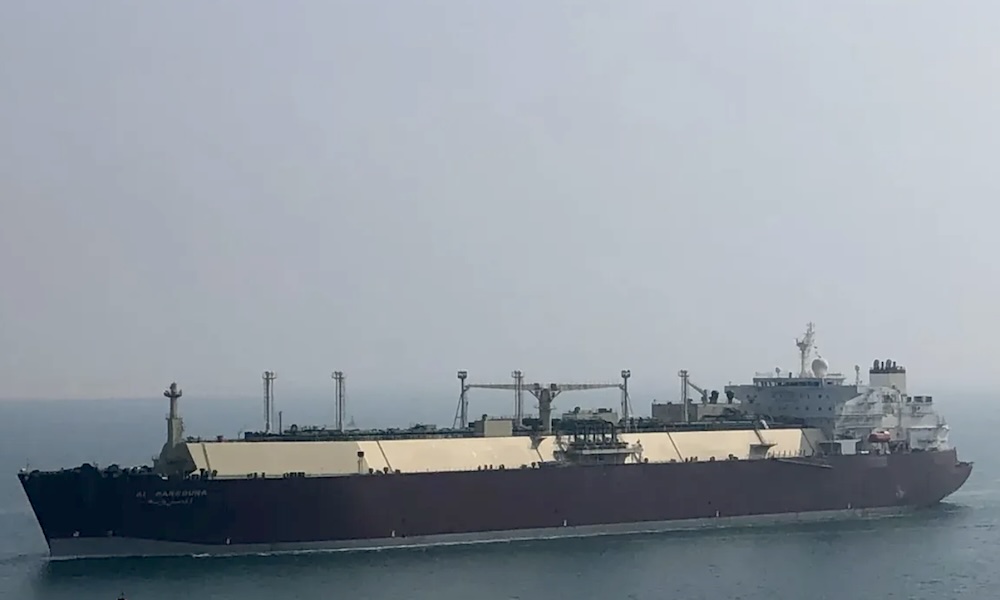
QatarEnergy has sent an LNG carrier openly through the Strait of Hormuz for the first time in nearly six weeks, a notable move for a chokepoint that normally handles roughly a fifth of globally traded LNG and oil.
The QatarEnergy-controlled vessel Al Marrouna made the transit with its AIS switched on, in contrast to the dark-mode navigation adopted by much commercial traffic in recent weeks. The carrier is bound for Pakistan's Port Qasim, where it is due to arrive on September 10.
The latest vessel tracking from MarineTraffic shows the gas carrier just leaving the Gulf of Oman and heading east today.
Qatar is among the world's largest LNG exporters, and virtually all of its cargoes must pass through Hormuz, making any sustained disruption to the strait a direct concern for gas-importing countries across Asia. Pakistan, which relies heavily on imported LNG to keep its power system running, is the destination of this particular cargo.
Pakistan has been mediating between Iran and the US, raising the possibility that the visible state-linked transit is an early test of arrangements intended to give selected commercial vessels safer passage through the strait.
Iran's foreign ministry said on Monday that talks with Oman over a temporary safe-passage route were in their final stages, with the route potentially being registered with the International Maritime Organization in the coming days. Registration with the IMO would give the arrangement a formal international footing, in contrast to the ad-hoc, vessel-by-vessel passage that has prevailed since tensions escalated.
Shipping analysts at SEB described the developments as constructive but cautioned against reading too much into a single voyage.
"The open transit and the Iran-Oman route talks point toward normalisation," the bank noted, while stressing that the security picture remains "volatile and two-directional".
That volatility was underlined over the weekend when US forces struck three Iranian tankers, even as efforts continued to create a more formalised shipping corridor. How quickly follow-on transits occur, and whether the Iran-Oman route is registered with the IMO in the coming days, will indicate whether this marks a durable reopening or an isolated voyage.
Source: Splash247
