Qatar Sends First LNG Cargo Through Strait of Hormuz Since Tanker Attack
Key Takeaways
- •QatarEnergy successfully transited an LNG cargo through the Strait of Hormuz, the first such passage since one of its carriers was attacked three weeks prior.
- •Reuters reported that QatarEnergy purchased 33 LNG cargoes to compensate for its own lost production stemming from the disruption.
- •Damage to the Ras Laffan LNG complex is projected to cost roughly $20 billion per year in lost revenue and require up to five years to fully repair.
- •The force majeure QatarEnergy declared in March has been extended through October, and the collapse of the US-Iran ceasefire threatens to further delay production recovery.
- •Buyers in Europe and Asia are increasingly competing for alternative LNG supplies while pressing QatarEnergy for price reductions amid elevated insurance costs tied to the Persian Gulf conflict.
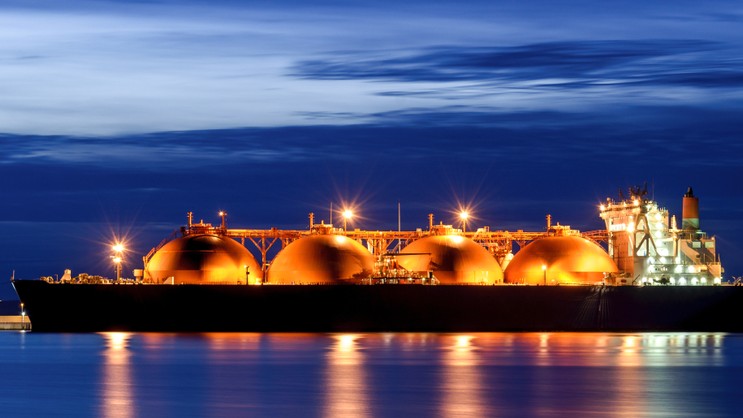
QatarEnergy has successfully dispatched a liquefied natural gas (LNG) cargo through the Strait of Hormuz, marking the first such transit since one of its LNG carriers was struck in the waterway three weeks ago, Bloomberg reported. The vessel had remained idle in the strait since early July before completing the crossing with its geolocation devices activated.
The Strait of Hormuz is one of the world's most critical energy chokepoints, through which roughly a fifth of global LNG supply typically transits. Qatar, consistently ranked among the top three LNG exporters worldwide alongside the United States and Australia, relies on the waterway for virtually all of its seaborne cargo movements.
According to ship-tracking data cited by Bloomberg, the tanker is destined for Pakistan. Pakistan is a significant buyer of Qatari LNG, but the conflict involving the United States, Israel, and Iran has constrained supply, compelling the South Asian nation to seek cargoes on the spot market at substantial premiums.
In a separate report, Reuters said that QatarEnergy had purchased 33 LNG cargoes to compensate for its own lost production, citing unnamed sources. Bloomberg noted that the successful Hormuz crossing may signal that the Gulf state is preparing to ramp up output.
The force majeure that QatarEnergy declared in March remains in effect and was recently extended through October. In June, following a ceasefire agreement between the United States and Iran that included the reopening of Hormuz to shipping, QatarEnergy stated it could restore 50% of LNG production within one month. By mid-August, Qatar was reportedly capable of restoring 80% of pre-war production levels.
However, with the ceasefire having collapsed and strikes resumed, that production recovery is likely to face further delays.
QatarEnergy estimates that damage to the Ras Laffan LNG complex — the world's largest single LNG-producing facility — will cost approximately $20 billion per year in lost revenue and require up to five years to fully repair. The prolonged outage has rippled across global gas markets, where buyers in Europe have increasingly competed with Asian importers for alternative supplies from producers such as the United States, Australia, and Mozambique. The company is simultaneously confronting pressure from buyers to reduce prices, as importers in Asia and Europe cite elevated insurance costs stemming from the ongoing hostilities in the Persian Gulf.
By Irina Slav for OilPrice.com

