Qatar Extends Force Majeure as Hormuz Crisis Continues to Block LNG Traffic
Key Takeaways
- •QatarEnergy has prolonged its force majeure on LNG deliveries by several weeks amid continued disruptions in the Strait of Hormuz.
- •Buyers in Pakistan and Bangladesh were informed that cargo cancellations would continue through October.
- •Some LNG deliveries to Europe under long-term contracts have been canceled beyond September, and Edison said the extension lasts into early November.
- •The latest extension means the force majeure now runs beyond September and continues to affect contracted LNG shipments.
- •Reuters calculated that Qatar’s LNG exports have fallen by as much as 96%, causing about $24 billion in lost sales over six months.
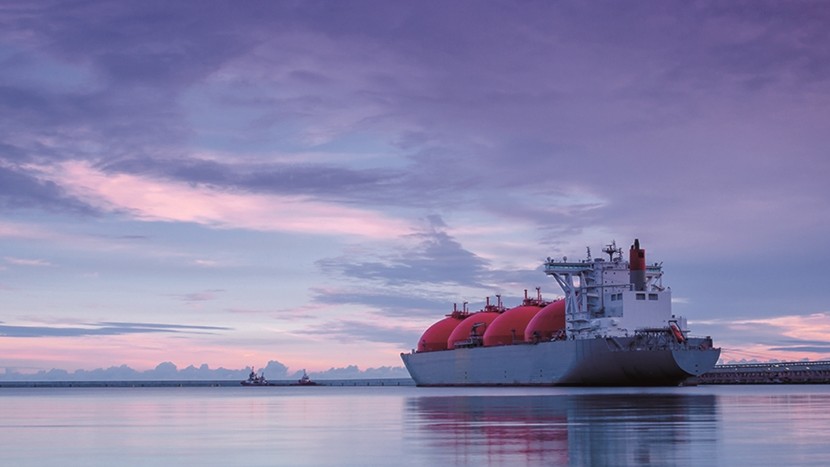
Qatar’s state-owned QatarEnergy has extended by several weeks its force majeure on liquefied natural gas deliveries to customers, as LNG flows through the Strait of Hormuz remain blocked even though oil shipments have increased.
QatarEnergy informed buyers in Pakistan and Bangladesh this week that LNG cargo cancellations would continue through October, traders familiar with the matter told Bloomberg on Friday. Some previously scheduled deliveries to Europe under long-term contracts have also been canceled beyond September. Edison of Italy said the force majeure and cargo cancellations were extended into early November.
At the end of July, Edison said QatarEnergy had canceled three additional LNG cargoes and that the force majeure period had been extended through September. As of July 28, a total of 24 LNG cargoes for delivery to Edison had been subject to force majeure since April, representing about 3 billion cubic meters of natural gas.
The latest extension means the force majeure period now stretches beyond September, underscoring how LNG supply disruptions in the Strait of Hormuz continue to affect contracted deliveries even as crude oil trade in the waterway has adapted more quickly. Unlike crude oil, LNG cannot be shuttle-shipped through Hormuz and then reloaded through ship-to-ship transfers, as Persian Gulf producers including Qatar have done in recent months to move oil to customers using alternative methods and routes.
Six months after the Iran war crippled Qatar’s LNG exports through the Strait of Hormuz, the world’s second-largest liquefied natural gas exporter has lost $24 billion in sales as exports fell by as much as 96%, Reuters calculated earlier this week. The number of LNG cargoes Qatar managed to export dropped to just 18, down from 509 cargoes shipped in the same period last year, according to data from intelligence firm ICIS cited by Reuters.
By Charles Kennedy for Oilprice.com

