Qatar Turns to American LNG After Iran War Cripples Ras Laffan
Key Takeaways
- •QatarEnergy acquired approximately 33 U.S. LNG spot cargoes in 2026, a sharp rise from only four purchased in 2025.
- •Iranian missile attacks damaged Qatar's Ras Laffan facility, the world's largest LNG-producing complex, with repairs expected to take up to five years and cost roughly $20 billion annually in lost revenue.
- •The Strait of Hormuz closure and damage to its facilities forced QatarEnergy to declare force majeure on LNG deliveries.
- •Twenty-eight of the 33 U.S.-sourced cargoes have already been delivered to Asian buyers, with five more currently en route to South Korea, Taiwan, and India.
- •China is negotiating long-term LNG contracts with suppliers whose shipping routes bypass the Strait of Hormuz to reduce dependence on Persian Gulf gas.
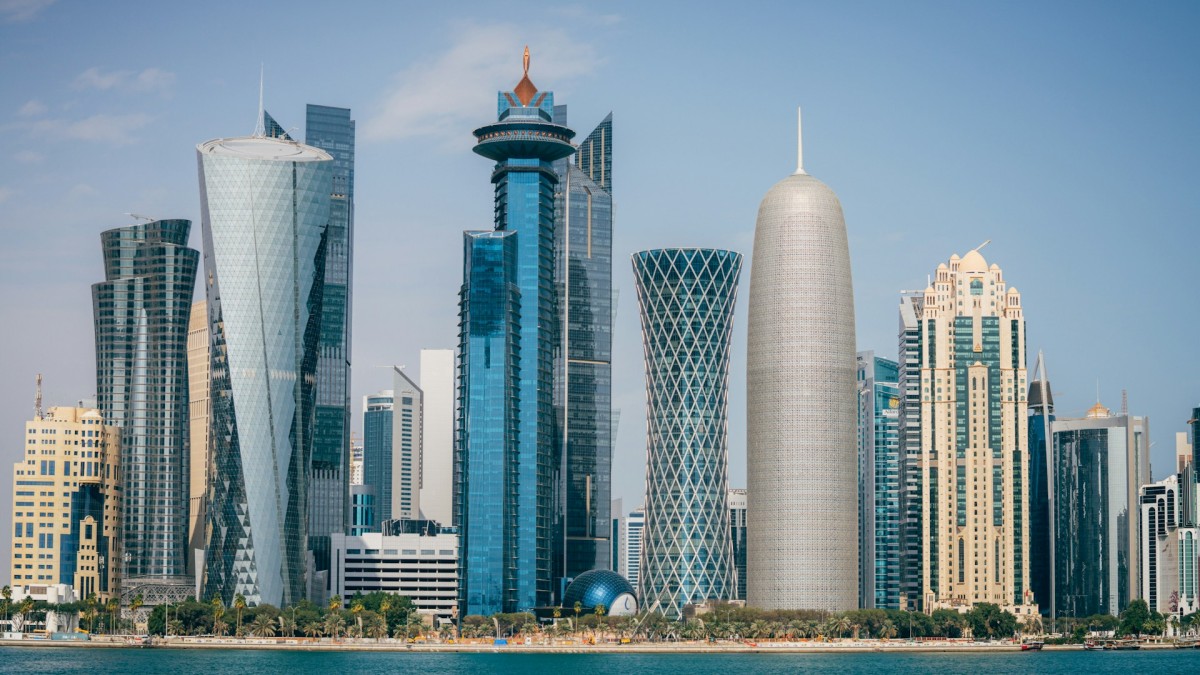
Qatar's state-owned QatarEnergy has purchased as many as 33 U.S. LNG cargoes on the spot market so far in 2026, aiming to fulfill commitments to Asian customers while its own supply remains constrained by the Iran war, Reuters reported on Thursday, citing industry and trade sources.
The purchases are a stark reversal for Qatar, which alongside the United States and Australia has been one of the world's top three LNG exporters and has historically prized its ability to serve Asian buyers directly from its own massive Persian Gulf production base. This year's buying spree marks a dramatic increase from 2025, when QatarEnergy acquired only four U.S. cargoes. The nearly three dozen spot cargoes were reportedly purchased directly from U.S. producer and exporter Venture Global, which operates the Calcasieu Pass LNG terminal in Louisiana, as Qatar sought to preserve its standing as a dependable LNG supplier to Asia. According to Reuters' sources, Qatar's domestic production and export capacity have been severely hampered by Iranian missile attacks on its facilities and the closure of the Strait of Hormuz, a chokepoint through which roughly one-fifth of global LNG trade has historically flowed.
The U.S.-sourced cargoes were allocated for delivery to key Asian buyers, including Japan, South Korea, India, Bangladesh, and Taiwan. Data from analytics firm Kpler, cited by Reuters, indicates that 28 of the 33 cargoes have already been delivered, with the remaining five currently en route to South Korea, Taiwan, and India.
Early in the Iran war, QatarEnergy declared force majeure on LNG deliveries following the Strait of Hormuz closure and Iranian drone and missile strikes that damaged Ras Laffan, Qatar's primary LNG liquefaction complex and the world's single largest LNG-producing facility. QatarEnergy estimates that the damage to Ras Laffan will cost approximately $20 billion per year in lost revenue and could take up to five years to fully repair.
Since the conflict began in February, the Middle East is no longer perceived as the reliable energy supplier it once was. Even China, the world's largest LNG importer, is reportedly engaged in negotiations to secure long-term LNG supplies from exporters whose shipping routes do not require passage through the Strait of Hormuz, as the leading global buyer moves to reduce its exposure to Persian Gulf gas deliveries.
By Charles Kennedy for OilPrice.com

