Qatar Moves Six LNG Tankers Toward Gulf as Export Restart Looms
Key Takeaways
- •Ship-tracking data from Kpler shows six empty LNG carriers moving toward Qatar, with one having crossed the Strait of Hormuz toward the Qatari coast.
- •QatarEnergy declared force majeure and curtailed LNG output after Iranian strikes hit the Ras Laffan complex and one of its facilities during the conflict with the United States and Israel.
- •The Strait of Hormuz is the only maritime route for Qatari LNG to reach open ocean, making shipping security there the primary constraint on exports.
- •QatarEnergy told customers in June it could restore roughly 50% of capacity within a month of safe Hormuz navigation and 80% within two months, but two months later traffic has not resumed and tanker attacks continue.
- •A sustained restart of Qatari LNG loadings would be significant for global gas supply balances, as Qatar is one of the world's largest suppliers serving buyers in Asia and Europe.
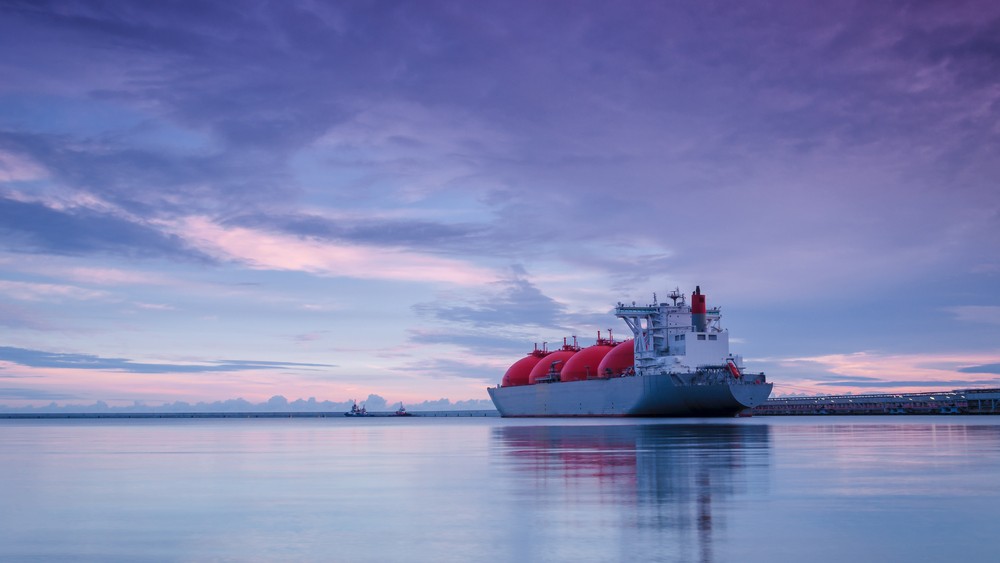
Six empty liquefied natural gas (LNG) carriers are sailing toward Qatar in what may signal that QatarEnergy is preparing to restart loadings, Bloomberg has reported, citing ship-tracking data from Kpler.
According to the data, six tankers with links to Iran are currently located in the Gulf of Oman or approaching it, while another tanker recently crossed the Strait of Hormuz and is heading for the Qatari coast, Bloomberg said.
At the end of July, QatarEnergy successfully sent an LNG cargo through the Strait of Hormuz, three weeks after one of its LNG carriers was struck in the waterway, according to Bloomberg. The vessel had idled in the strait since early July but crossed it with its geolocation devices turned on. That passage, however, did not mark the resumption of LNG flows from the world's third-largest LNG exporter. Qatar's prolonged absence from the market matters well beyond the Gulf: the country has long been one of the world's largest LNG suppliers, serving major buyers in Asia and Europe, so any sustained restart of Qatari loadings would be a significant data point for global gas supply balances that have absorbed the disruption for months.
Qatar has been eager to restart its LNG exports after declaring force majeure following Iranian strikes on the Ras Laffan complex in the early days of the war with the United States and Israel. State firm QatarEnergy, which curtailed LNG output in early March before one of its LNG facilities was hit by Iranian missiles in mid-March, told customers in June that it could restore about 50% of its production capacity within a month of safe navigation through the Strait of Hormuz being restored, and could return 80% of its capacity within two months, as Bloomberg reported at the time.
Two months later, traffic through Hormuz has not been restored, and attacks on tankers have resumed as Iran and the United States trade strikes. The Strait of Hormuz is the sole maritime route for Qatari LNG to reach open ocean, which is why shipping security there, rather than production capacity alone, has been the binding constraint on Qatari exports throughout the conflict. Qatar, meanwhile, has continued loading LNG carriers but has not sent any of them out through the Strait of Hormuz. According to earlier reports based on ship-tracking data, the vessels are either idling in the waterway or being sent to Kuwait.
By Irina Slav for Oilprice.com
