Qatar Loses $24 Billion as LNG Exports Fall 96%
Key Takeaways
- •Qatar’s LNG cargo exports fell to 18 from 509 in the same period last year, according to ICIS data cited by Reuters.
- •Reuters calculations put the sales loss at $24 billion after shipments declined by as much as 96%.
- •The Strait of Hormuz disruption has trapped about 20% of daily global LNG flows.
- •Damage to the Ras Laffan LNG complex is expected by QatarEnergy to cut revenue by about $20 billion a year and require up to five years of repairs.
- •Asian and European gas prices have risen to three-year highs, adding pressure on Europe’s winter storage plans.
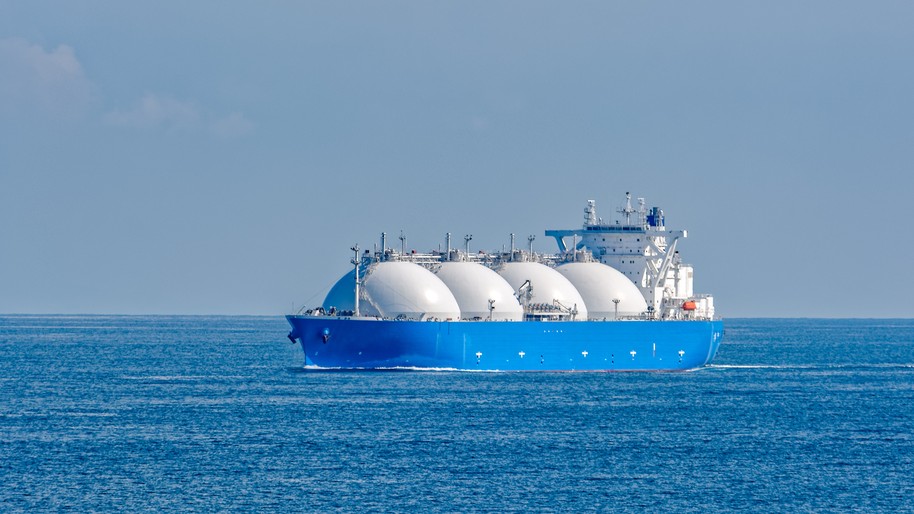
Six months after the Iran war disrupted Qatar’s liquefied natural gas exports through the Strait of Hormuz, the world’s second-largest LNG exporter has lost $24 billion in sales as shipments fell by as much as 96%, according to Reuters calculations published on Wednesday.
The number of LNG cargoes Qatar managed to export dropped to 18, down from 509 cargoes shipped in the same period last year, based on data from intelligence firm ICIS cited by Reuters.
Qatar’s LNG exports are among the biggest energy commodity casualties of the war. Unlike the United Arab Emirates, which has managed to get more vessels out of Hormuz in recent months, Qatar has not been able to move nearly as many ships through the waterway.
The sharp decline has broad implications for global LNG and natural gas markets. U.S. LNG exports have benefited from high prices and from originating outside the conflict zone, while Europe has been left without Qatari shipments and is struggling to refill gas storage sites ahead of winter. For buyers and shippers, the disruption also highlights how quickly a regional security crisis can affect LNG trade routes that supply power generation, industrial demand, and heating markets well beyond the Gulf.
The de facto closure of the Strait of Hormuz has trapped about 20% of daily global LNG flows. Iranian drone and missile strikes on energy infrastructure in the region also damaged Qatar’s key LNG liquefaction complex at Ras Laffan.
QatarEnergy, Qatar’s state-owned energy company, expects the damage at the Ras Laffan LNG complex, the world’s single largest LNG-producing facility, to reduce revenue by about $20 billion per year and take up to five years to repair. The company has also been forced to declare force majeure for up to five years on some long-term LNG contracts.
The supply disruption has pushed Asian and European gas prices to their highest levels in three years and raised concerns about Europe’s ability to rebuild inventories before the next winter. Earlier this month, Goldman Sachs said European natural gas prices would need to rise by December for storage sites to be filled with enough gas for the coming winter if the Strait of Hormuz crisis persists and keeps spot LNG prices in Asia elevated.
Since the Middle East crisis began, Europe has increasingly lost out to Asia in the competition for spot LNG cargoes as prices have climbed and most of Qatar’s long-term LNG volumes have been unavailable. That leaves winter storage levels, contract flexibility, and the pace of any repair work at Ras Laffan as the main variables market participants are watching next.

