Peter Schiff: Gold Rally After Fed Rate Hike Could Signal Expectations of Future Policy Reversal
Key Takeaways
- •Peter Schiff contends that a gold rally following a Federal Reserve rate hike could signal investors expect policymakers to eventually reverse course due to economic weakening.
- •Higher interest rates traditionally strengthen the U.S. dollar and increase the opportunity cost of holding gold, which typically puts downward pressure on gold prices.
- •During the Fed's hiking cycle that began in March 2022, gold prices demonstrated resilience and at times advanced despite rising rates.
- •Central banks have been net buyers of gold for more than a decade, with annual purchases reaching record levels in recent years according to World Gold Council data.
- •Schiff has long advocated for physical gold as a hedge against monetary debasement while criticizing Bitcoin as a less reliable store of value.
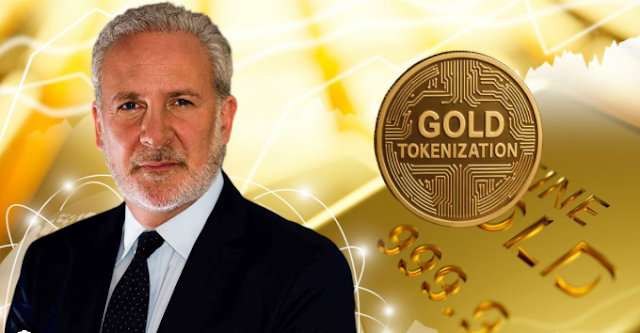
Economist and longtime gold advocate Peter Schiff has suggested that an unusual combination of a Federal Reserve interest rate hike followed by a strong gold rally could carry an important message about investor expectations for the U.S. economy. According to Schiff, if gold were to climb after tighter monetary policy is introduced, it could indicate that financial markets believe the Fed's efforts to combat inflation may ultimately weaken economic activity enough to force policymakers into reversing course.
Schiff, the CEO of Euro Pacific Capital and a well-known financial commentator who rose to prominence after predicting the 2008 housing crisis, has advocated for gold as a hedge against monetary debasement for decades. His consistently bearish outlook on the U.S. dollar and equity markets has earned him both a loyal following and criticism from analysts who note that many of his recession predictions have not materialized on his timeline. His latest comments have reignited debate among economists, investors, and market analysts over the relationship between inflation, monetary policy, interest rates, and safe-haven assets. The remarks come as markets closely monitor every signal from the Federal Reserve regarding the future path of U.S. interest rates.
Schiff's comments gained broader attention after being highlighted through Cointelegraph's official X account, although the underlying analysis reflects Schiff's own interpretation of current market dynamics rather than official guidance from policymakers.
Source: X Post
Schiff's Market Interpretation
Schiff argued that gold's reaction to a potential Federal Reserve rate increase could reveal how investors view the sustainability of restrictive monetary policy. Traditionally, higher interest rates tend to strengthen the U.S. dollar while increasing the opportunity cost of holding non-yielding assets such as gold. Because of that relationship, gold prices often face downward pressure during periods of monetary tightening.
However, Schiff believes that if gold instead rises after a rate hike, markets could be signaling a different expectation. In his view, investors may conclude that aggressive efforts to reduce inflation will eventually damage economic growth sufficiently to require future interest rate cuts — a scenario widely discussed in financial markets as a potential "Fed pivot."
The Traditional Gold-Rate Dynamic
Gold has historically been viewed as a defensive asset during periods of economic uncertainty, inflation, currency weakness, geopolitical instability, and financial market volatility. Although gold does not generate interest or dividends, many investors consider it a long-term store of value, and changes in its price frequently reflect broader market expectations regarding inflation and monetary policy.
Historically, the relationship between gold and interest rates has not always been straightforward. Higher rates generally support dollar strength, Treasury yields, and income-producing investments. Lower rates, meanwhile, often increase gold's relative attractiveness. Nevertheless, investor expectations regarding future monetary policy frequently matter more than current rate levels alone, as markets typically price in future developments rather than present conditions. Many analysts also emphasize that real interest rates — nominal rates adjusted for inflation — are more relevant to gold pricing than nominal rates alone, since positive real yields increase the opportunity cost of holding gold while negative or falling real yields tend to enhance its appeal.
The Federal Reserve's Inflation Challenge
The Federal Reserve's primary responsibilities include maintaining price stability and supporting maximum employment. To reduce inflation, the central bank may increase interest rates, and higher borrowing costs generally slow consumer spending, business investment, credit growth, housing activity, and overall economic demand. The objective is to reduce inflationary pressures over time, but aggressive tightening also carries the risk of slowing economic growth more than anticipated.
Interest rate decisions influence nearly every financial market, affecting stocks, bonds, currencies, commodities, real estate, and cryptocurrencies. Because borrowing costs shape investment behavior throughout the economy, even small policy adjustments can produce significant market reactions. Notably, during the Fed's most recent hiking cycle that began in March 2022, gold prices demonstrated resilience and at times advanced despite rising rates, a pattern that some analysts attribute to sustained inflation concerns and heavy central-bank gold purchases. According to World Gold Council data, central banks have been net buyers of gold for more than a decade, with annual purchases reaching record levels in recent years.
What Schiff Believes Investors May Be Signaling
According to Schiff, a gold rally following tighter monetary policy could suggest that investors believe inflation remains difficult to control, economic growth may weaken, future rate cuts become increasingly likely, and the Federal Reserve could eventually reverse policy. Such expectations would indicate that markets anticipate monetary easing following an initial period of restrictive policy.
If markets begin anticipating future policy reversals, several asset classes could respond. Possible reactions may include higher gold prices, changing bond yields, currency adjustments, shifts in equity valuations, and renewed interest in alternative assets. Market participants continuously evaluate how monetary policy influences long-term investment opportunities.
Investor Psychology and Inflation Expectations
Inflation remains one of the most important variables affecting investment decisions. Persistent inflation influences interest rates, corporate earnings, consumer spending, government borrowing, currency values, and asset allocation. Financial markets continuously evaluate whether inflation is accelerating, stabilizing, or declining.
Financial markets are also heavily influenced by expectations. Investors do not simply react to current economic data — they attempt to anticipate future developments. Gold prices often reflect confidence in central banks, inflation expectations, currency outlook, financial stability, and economic growth projections. Because expectations evolve rapidly, asset prices frequently adjust before official economic statistics change.
Gold Versus Other Safe-Haven Assets
Gold competes with several alternative safe-haven investments, including U.S. Treasury securities, cash, high-quality government bonds, and certain defensive currencies. Increasingly, some investors also consider Bitcoin a potential store of value, although its volatility remains considerably higher than that of traditional safe-haven assets.
Schiff has long criticized Bitcoin while maintaining strong support for gold. Supporters of Bitcoin frequently argue that digital assets provide protection against monetary expansion, while Schiff continues to view physical gold as the superior long-term hedge against inflation and currency depreciation. The debate between gold and Bitcoin remains one of the most closely followed discussions among investors.
Looking Ahead
Investors will continue monitoring upcoming Federal Reserve meetings for additional guidance regarding future interest rate policy. Economic indicators likely to influence decisions include inflation data, employment reports, consumer spending, economic growth figures, and financial conditions. At the same time, movements in gold prices may provide additional insight into investor expectations regarding the long-term direction of U.S. monetary policy.
Peter Schiff believes that a gold rally following a Federal Reserve rate hike would represent more than a simple increase in commodity prices. According to his interpretation, such a move could indicate that investors expect aggressive inflation-fighting measures to weaken economic activity enough to eventually force the Federal Reserve into reversing its monetary policy. Whether or not markets ultimately validate that outlook, Schiff's comments highlight the ongoing importance of investor expectations in shaping financial markets. As inflation, interest rates, and global economic conditions continue evolving, gold is likely to remain one of the most closely watched indicators of market sentiment and confidence in central bank policy.

