Panama Completes Full State Takeover of Trans-Isthmus Oil Corridor
Key Takeaways
- •Panama paid $191.7m to acquire the remaining 41% of Petroterminal de Panamá, bringing state ownership to 100%.
- •The system comprises a 131 km pipeline connecting the Chiriquí Grande and Charco Azul terminals, capable of moving around 10 million barrels per month and handling VLCCs at Charco Azul.
- •The government stated that existing operations and contracts will continue unchanged under full state ownership.
- •The purchase was completed through a purchase right in the original 1977 agreement and financed against Petroterminal's own revenues and future cashflows.
- •The acquisition follows Panama's takeover of the Balboa and Cristóbal container terminals earlier this year, a move that drew attention from the United States and China.
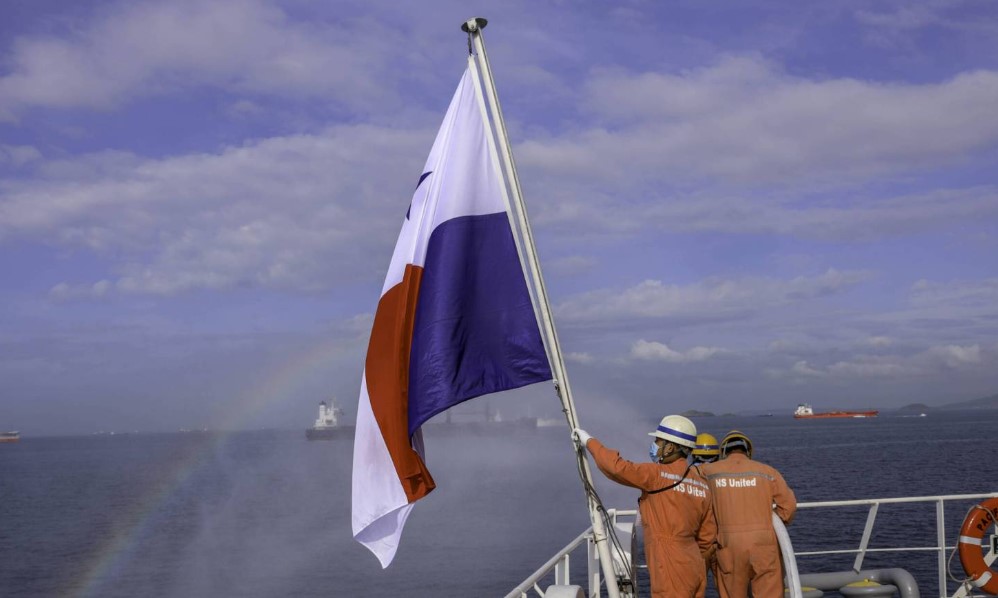
Panama has completed its acquisition of Petroterminal de Panamá, securing full state ownership of a strategic oil transport system that effectively serves as a specialised second Panama Canal for hydrocarbons.
The government paid $191.7m for the remaining 41% stake in the company, bringing its ownership to 100%.
Petroterminal operates terminals at Chiriquí Grande on the Caribbean coast and Charco Azul on the Pacific, connected by a 131 km transisthmus pipeline. Together, these assets enable crude oil and petroleum products to cross Panama without transiting the Panama Canal itself. The system can move around 10m barrels per month, and the deepwater Charco Azul terminal is capable of handling VLCCs, giving Panama a significant role in interoceanic oil logistics. That overland route has long offered an alternative for hydrocarbon cargoes, a class of traffic the Panama Canal handles under tight restrictions: the canal imposes draft and size limits, and tanker traffic through it has historically been constrained by these restrictions and by periodic water-level shortfalls that reduced daily transits in recent years.
According to the government, existing operations and contracts will continue unchanged, while full ownership gives the state greater control over future energy, logistics and maritime development surrounding the asset.
The acquisition comes as Panama adopts a more assertive posture towards strategic maritime infrastructure. Earlier this year, the country took control of the Balboa and Cristóbal container terminals after the annulment of CK Hutchison's concessions, subsequently placing their temporary operation with subsidiaries of Maersk and MSC. That decision drew close attention from the United States and China, both of which have flagged Panama's canal-adjacent infrastructure as strategically significant.
The Petroterminal deal, by contrast, is less confrontational. It was completed through a purchase right contained in the company's original 1977 agreement and financed against Petroterminal's own revenues and future cashflows. What to watch next is how the state exercises its new control, including whether future expansion or commercial decisions around the pipeline and terminals follow, and how the arrangement sits with existing users of the transisthmus system.
