Pakistan Transporters Threaten Nationwide Strike Over Fuel Price Hikes
Key Takeaways
- •Pakistan’s goods transporters have warned that a nationwide strike could be announced at any time over rising fuel costs.
- •The government began daily gasoline and diesel price revisions on July 21 to reflect changes in international crude markets.
- •Transport industry representatives say frequent diesel price increases could force many freight businesses to close.
- •A nationwide goods transport strike could disrupt the movement of food, fuel, and manufactured goods across Pakistan.
- •Pakistani refiners are seeking potential crude supplies from the United States, Nigeria, Singapore, and Central Asia as Middle East supply risks grow.
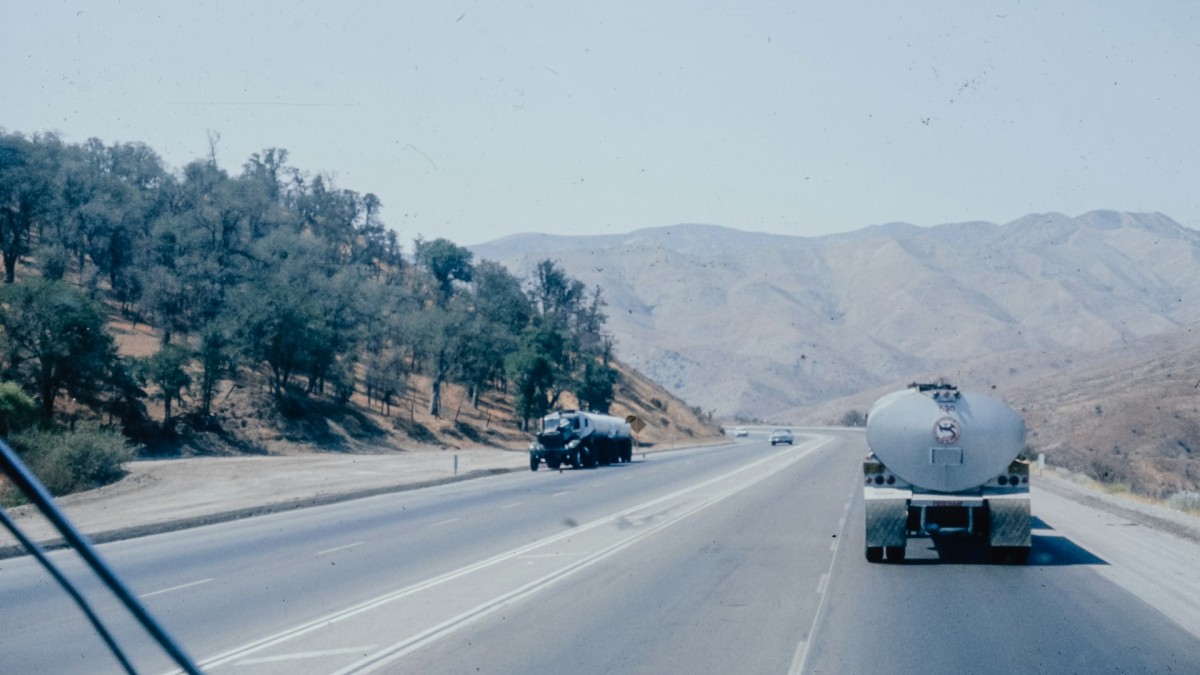
Pakistan's alliance of goods transporters has warned that it could launch a nationwide strike over soaring fuel costs, adding to the economic pressures the South Asian country is facing as a result of the escalating Middle East crisis. Pakistan relies on imports for the vast majority of its crude oil and refined petroleum products, leaving it especially exposed to swings in international energy markets.
"Transporters across Pakistan should remain prepared; a nationwide strike call can be given at any time," said Malik Shehzad Awan, president of the Pakistan Goods Transport Alliance, in a statement carried by local media on Friday.
The alliance sharply criticized the Pakistani government's decision to raise fuel prices following the resurgence of hostilities in the Middle East and the corresponding spike in crude oil prices. The group branded the new policy of reviewing and potentially adjusting fuel prices on a daily basis as part of the federal government's "anti-transport policies." Awan warned that many road freight businesses face closure due to the frequent hikes in diesel prices.
Earlier in the week, Pakistan began revising gasoline and diesel prices on a daily basis, effective July 21, as international crude prices surged amid the re-escalation of conflict in the Middle East. The Pakistani government maintains that the new fuel pricing mechanism is more transparent and would allow domestic fuel prices to better reflect price movements in international oil markets. Nevertheless, the road freight industry is pushing back against the daily changes and is seeking dialogue with authorities to address its concerns. A nationwide strike by goods transporters would risk disrupting the movement of food, fuel, and manufactured goods across the country, where road freight carries the bulk of domestic cargo.
Meanwhile, Pakistan's refiners are reportedly inquiring with traders about potential crude oil supply from the United States, Nigeria, Singapore, and Central Asia, as the deepening crisis in the Middle East threatens supply routes through both the Strait of Hormuz and the Red Sea. Pakistan has historically sourced much of its crude from Gulf producers, particularly Saudi Arabia and the United Arab Emirates, making the search for alternative suppliers a significant shift in procurement strategy.
According to local outlet The News, following a meeting with the federal minister for petroleum and natural resources—who briefed industry representatives on the growing threats to crude oil supply—refiners have intensified efforts to secure cargoes from non-Middle Eastern producers.
By Tsvetana Paraskova for OilPrice.com
Sources: Tribune.com.pk | Arab News Pakistan | Geo TV

