Orlen and Port of Gdynia Partner to Assess LNG and Bio-LNG Bunkering Potential
Key Takeaways
- •Orlen and the Port of Gdynia Authority will jointly evaluate demand, infrastructure, operational conditions, and regulations for LNG and bio-LNG bunkering services.
- •The study will assess bunkering models including ship-to-shore delivery alongside cargo operations and ship-to-shore transfer suited to larger vessels.
- •Tightening emissions rules such as the IMO greenhouse gas strategy and the EU ETS extension to maritime transport from 2024 are driving interest in alternative marine fuels in Northern Europe.
- •Orlen commissioned its Marine Transshipment Terminal at the Gdańsk refinery in August, handling marine gas oil and FAME for biofuel production.
- •The partnership forms part of Orlen's fuel portfolio transformation through 2035 and its wider push into marine fuels in the Gdańsk-Gdynia-Sopot Tricity port complex.
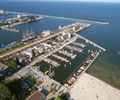
Polish refiner Orlen has entered into a partnership with the Port of Gdynia Authority to evaluate the potential for LNG and bio-LNG bunkering at the Polish port.
The cooperation will examine market demand and the possible development of LNG and bio-LNG bunkering services, along with the infrastructure, operational conditions, and regulatory requirements needed to support them.
The parties will also assess the bunkering requirements of shipowners and port users, particularly operators of scheduled ferry, container, and ro-ro services. The study will consider potential bunkering models and draw on solutions already implemented at other European ports. Gdynia is one of the Baltic Sea's major ferry and ro-ro gateways, and Baltic shipping faces tightening emissions rules, including the International Maritime Organization's greenhouse gas reduction strategy and the EU's extension of its Emissions Trading System to maritime transport from 2024 — regulatory pressure that has driven growing interest in alternative fuels such as LNG and bio-LNG across Northern European ports.
Among the options under review is ship-to-ship bunkering and its suitability for larger vessels, as well as the feasibility of bunkering vessels while alongside, including simultaneously with cargo-handling operations. Simultaneous bunkering alongside cargo operations, already practiced at several European LNG bunkering hubs, can shorten port turnaround times, a consideration for operators of scheduled services.
"The cooperation with the Port of Gdynia marks an important step in developing the LNG and bio-LNG market in the Tricity area and forms part of a wider transformation of ORLEN's fuel portfolio through 2035," said Orlen's vice president Robert Soszyński.
The partnership follows Orlen's commissioning in August of its Marine Transshipment Terminal at the Gdańsk refinery. The terminal began operations with the loading of marine gas oil (MGO) from the refinery and the delivery of fatty acid methyl ester (FAME) for biofuel production. Together, the terminal and the bunkering study signal Orlen's broader push into marine fuels in the Gdańsk–Gdynia–Sopot Tricity port complex, one of the Baltic's key shipping clusters.
Source: By Tuhin Roy, ENGINE,
