OPEC+ Holds Oil Quotas Flat for October as Hormuz Disruption Limits Real Influence
Key Takeaways
- •OPEC+'s seven core members held October output quotas flat, keeping targets steady through the end of 2026, with the sub-group due to meet again on 4 October.
- •Disruption of the Strait of Hormuz, which normally handles roughly a fifth of global oil trade, has significantly weakened OPEC+'s practical influence over physical oil flows and prices.
- •In August, OPEC+ completed the unwinding of a 1.65 million barrel per day voluntary cut, but actual production remains well below targets due to the conflict.
- •A capacity audit of each member's actual production capability is expected to conclude later this month ahead of a full alliance meeting in late November where 2027 output baselines will dominate.
- •OPEC+ is widely expected to pause further output increases through the fourth quarter, though the group's statement made no explicit commitment beyond October.
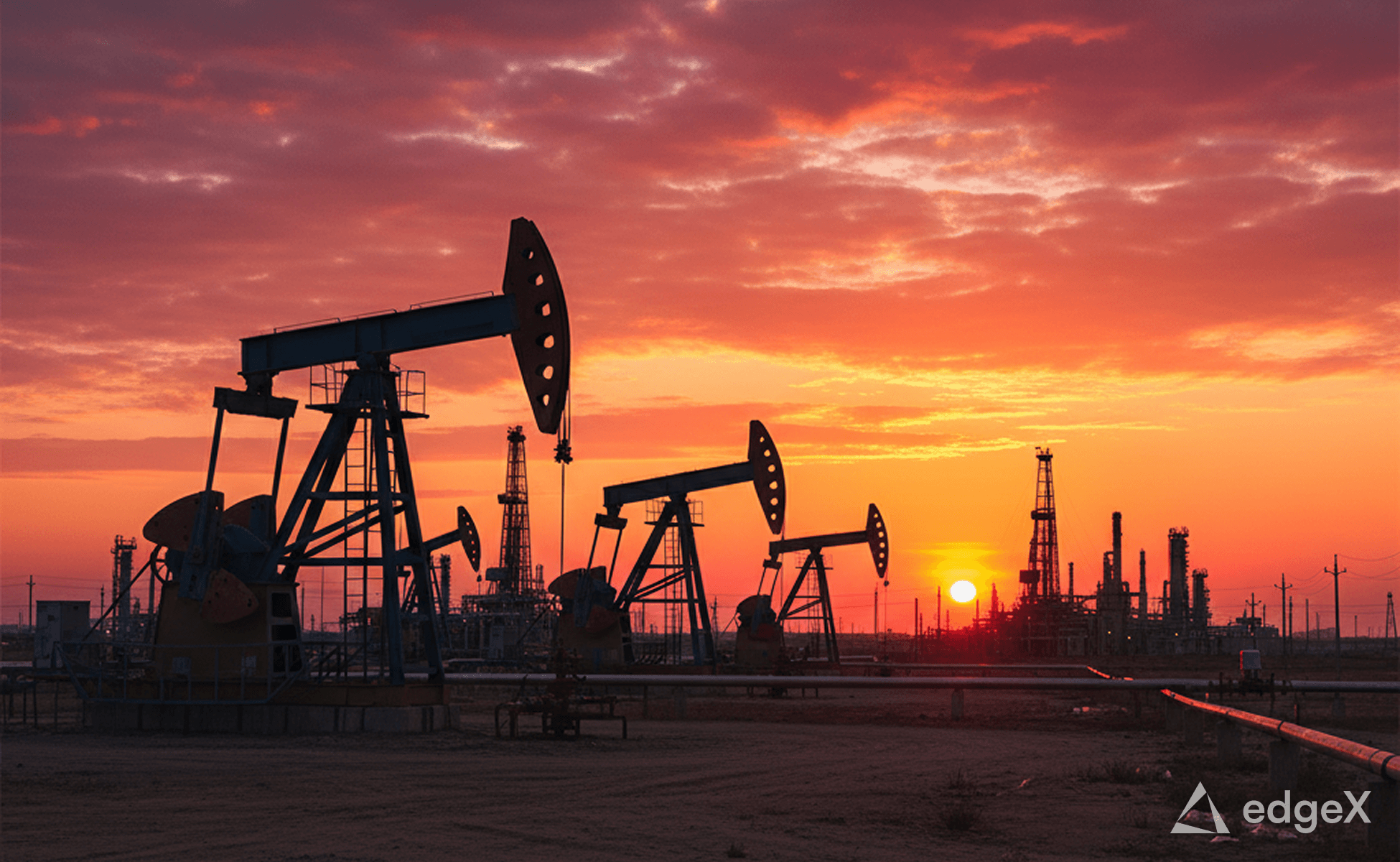
OPEC+ kept its oil output policy unchanged for October, Reuters reported, after a Sunday meeting in which the group's seven core members again held quotas flat rather than adjusting output ahead of a more consequential review due later this year.
The meeting of Saudi Arabia, Russia, Iraq, Kuwait, Algeria, Kazakhstan and Oman confirmed the roadmap already flagged by sources, holding targets steady through the end of 2026 while the group works through a separate review process. The seven-member sub-group is due to meet again on 4 October.
The decision itself carries little fresh price signal, since it confirms a roadmap the market had already priced in. The more relevant read for oil is how limited OPEC+'s real-world leverage has become while the Strait of Hormuz remains disrupted, meaning announced quotas are increasingly disconnected from the actual barrels reaching the market. That gap matters most for how traders interpret any future OPEC+ move: a headline quota change carries less weight than usual until Gulf export flows normalise.
The decision lands as the Iran war continues to disrupt oil flows through the Strait of Hormuz, a corridor that normally handles roughly a fifth of global oil trade, including crude and products from Saudi Arabia, Iraq, Kuwait, the UAE, Iran and Qatar. Several Gulf producers have partly worked around the disruption using alternative pipeline routes and covert shipments — most notably Saudi Arabia's East-West pipeline and the UAE's Fujairah export terminal, which bypass the strait — but their combined capacity covers only a portion of normal Hormuz volumes. That disruption has significantly narrowed OPEC+'s practical influence over the physical market and its leverage over prices and market share, even as the group has continued raising quotas on paper. OPEC+ is increasingly managing barrels on paper rather than in the physical market.
In August, OPEC+ completed the phased unwinding of a 1.65 million barrel per day cut first agreed in 2023, but actual production remains well below those targets because of the conflict. That 1.65 million bpd layer was one of two tranches of voluntary cuts — alongside a separate 2.2 million bpd reduction led by Saudi Arabia and Russia — that the group had been gradually restoring as it sought to reclaim market share from non-OPEC producers such as the United States.
An oil market analyst focused on geopolitical risk said OPEC+ currently has very limited power over the physical market, since the group can adjust production targets on paper without any guarantee that those barrels are produced or reach buyers. The analyst added that the group's focus is shifting away from monthly production tweaks toward a far more consequential debate over 2027 output baselines.
That debate now sits at the centre of OPEC+'s next phase and represents the more consequential catalyst for oil markets. The capacity review will shape how much spare capacity the group can credibly bring back once the conflict eases, and will also test long-standing tensions within the alliance over members' self-reported capacity figures, which have historically exceeded what they can sustainably pump. Before deciding how to unwind a further layer of supply cuts still covering most of the broader 21-country coalition, the group needs an audit of each member's actual production capacity, work expected to conclude later this month ahead of a full alliance meeting in late November.
Given that timeline, OPEC+ is widely expected to pause further output increases through the fourth quarter, though Sunday's statement made no explicit mention of policy beyond October. Watch points ahead include the 4 October sub-group meeting, the conclusion of the capacity audit later this month, and the full alliance gathering in late November where 2027 baselines are set to dominate the agenda.
The real test for OPEC+'s influence, according to the analyst, will come only once Hormuz fully reopens, at which point the group could shift abruptly from managing constrained exports to confronting a potential surplus.
Source: Investinglive
