Oil-Rich Oman Bets Big on Renewable Energy
Key Takeaways
- •Oman's Ministry of Energy and Minerals launched a revised net-zero strategy and a carbon markets regulatory framework this year, aiming for net-zero emissions by mid-century and a 33 percent emissions cut by 2035.
- •Oman plans to add around 5.7 GW of solar, more than 2 GW of wind, and 1 GW of battery storage by the end of the decade, alongside the EDF-led Wadi Dhayka pumped hydro project providing nearly 1.98 GW of capacity.
- •Seven green hydrogen projects targeting 1 million tonnes of annual output by 2030 are progressing, although BP and a consortium including Engie and Pesco have withdrawn from the programme.
- •Oman intends to maintain current oil and gas production levels — about 1 million barrels per day of crude and condensate — meaning the renewables expansion supplements rather than replaces hydrocarbon revenues.
- •The strategy is aligned with Oman Vision 2040 and is expected to support job creation, economic diversification, and the development of a domestic carbon credit market.
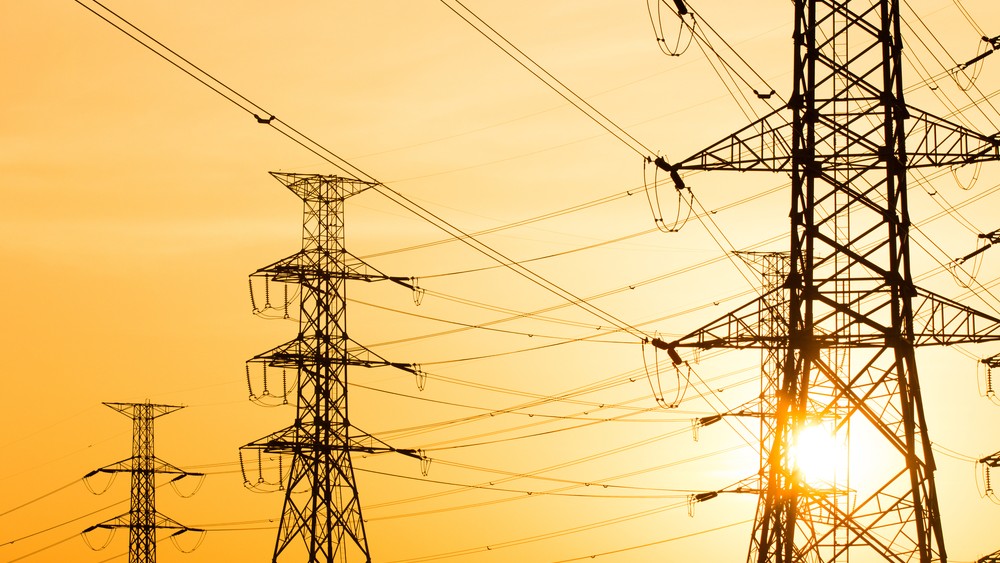
Oman, one of the Middle East's major oil and gas producers, is moving to significantly expand its renewable energy capacity as part of a broader push to diversify its energy mix and advance its green transition. The move reflects a wider trend among Gulf hydrocarbon producers — including Saudi Arabia and the United Arab Emirates — which are investing heavily in renewables and low-carbon fuels to reduce fiscal reliance on oil exports. The government has recently introduced new national policies designed to grow the country's green energy and cleantech industries and to encourage private investment in the sector.
This year, Oman's Ministry of Energy and Minerals launched a revised net-zero emissions strategy alongside a carbon markets regulatory framework, supporting the government's aim of achieving net-zero carbon emissions by the mid-century. Oman intends to position itself as a major green hydrogen and renewable energy hub in the Middle East, strengthening its energy security and enhancing its trade standing in the region. The country's high solar irradiance and available land make it well suited to large-scale solar development, a factor underpinning its renewables build-out.
The Oman Centre for Net Zero, which sits within the Energy Ministry, will oversee implementation of the plan and track progress on emissions. Oman's Minister of Energy, Salim Al Aufi, emphasised the importance of adopting the new plan, describing it as a strategic step towards a robust, sustainable, low-carbon economy that enhances Oman's global standing in line with Oman Vision 2040, the national development blueprint that targets economic diversification away from hydrocarbons.
The new net-zero pathway offers economic and climate benefits for investors in green energy and cleantech. The carbon markets regulatory framework will support the plan's implementation by establishing clear rules and streamlined procedures for private investors as well as small- and medium-sized enterprises. The growth of Oman's renewable energy and cleantech industries is expected to support job creation and economic diversification.
The government has set a target of reducing carbon emissions by 33 percent by 2035, to be achieved through greater energy diversification, the development of carbon capture and storage, and adaptation projects across seven key sectors. These measures are also intended to support the government's goal of building a strong carbon credit market.
Oman will continue to develop its oil and gas sectors in parallel, having announced a bidding round for five concession areas earlier in the year. According to Al Aufi, Oman's average crude and condensate production is around 1 million barrels per day, its gas output exceeds 151 million cubic metres per day, and its LNG exports total more than 11 million metric tonnes. The government aims to maintain its fossil fuel output in the coming years, meaning the renewables expansion supplements rather than replaces hydrocarbon revenues.
Oman's renewable energy sector has grown rapidly over the past decade, driven by the development of several large-scale solar and wind power projects. The 50-MW Dhofar I wind farm was commissioned in 2019 in southern Oman, followed by the 500-MW Ibri II solar project, which came online in 2021. The Ibri solar farm expansion, incorporating 100 megawatt-hours of battery storage, is expected to be completed in 2027, enhancing grid flexibility and supporting the integration of greater renewable capacity. In January 2025, two further solar power stations with a combined capacity of 1 GW commenced operations in the Wilayat of Manah, in the central province of Al Dakhiliyah.
Looking ahead, Oman plans to add around 5.7 GW of solar and more than 2 GW of wind power, along with 1 GW of battery storage, by the end of the decade. Adam Solar, a solar project equipped with battery storage in Al Dakhiliyah Governorate, is expected to be connected to the grid by the first quarter of 2028. Three additional 1 GW solar projects — Kamil Solar II, Dhofar, and Mahadah — are expected to come online in 2029 and 2030. The 500-MW Sinaw project has also been awarded to a consortium led by France's EDF, reflecting the role international energy companies are playing in Oman's build-out.
The government also aims to develop the country's pumped hydro storage capacity. The EDF Consortium's Wadi Dhayka Hydro Pump project will use the existing Wadi Dhayka Dam as its lower reservoir, with a new upper reservoir to be built on the Jabal Abyad plateau. Wadi Dhayka will be capable of providing almost 1.98 GW of capacity and 17,970 MWh of storage over nine hours by storing surplus solar and wind power and releasing it during peak demand — enhancing grid stability and reducing reliance on fossil fuels.
Oman further plans to develop its green hydrogen capabilities by constructing seven projects with a combined output of 1 million tonnes of green hydrogen per year by 2030, despite BP and a consortium including Engie and Pesco withdrawing from the projects — a reminder of the execution and financing challenges facing large-scale hydrogen ventures globally. During the Green Hydrogen Summit Oman in December, Hydrom's managing director, Abdulaziz al Shidhani, said that "less than three years after setting the framework, the programme has entered a phase of coordinated execution." He added, "seven projects… are progressing through milestones." Key indicators to watch in coming years include whether the 2028–2030 solar and storage projects meet their grid-connection timelines and how many of the seven hydrogen projects reach final investment decisions.
Oman has ambitious plans to diversify its energy mix and establish itself as a green energy hub in the Middle East. In addition to oil and gas, the country will develop its solar, wind, battery storage, pumped hydropower, and green hydrogen capabilities, supported by targeted national policies and regulations designed to facilitate investment and development.
Source: OilPrice.com
