Globex Futures Open: Oil Drops 6%, US Equity Futures Rise on Trump Comments
Key Takeaways
- •Crude oil futures dropped roughly 6% at the CME Globex open as markets rapidly unwound the geopolitical risk premium that had accumulated around potential US military action against Iran.
- •S&P 500 E-mini and Nasdaq-100 E-mini futures each rose approximately 0.5%, reflecting improved investor risk appetite following Trump's de-escalation remarks.
- •President Trump cancelled planned strikes on Iran over the weekend and asserted that a Strait of Hormuz deal was completed, with denuclearisation negotiations scheduled to start Monday.
- •Tehran denied the reported agreement, leaving the de-escalation narrative unconfirmed and creating uncertainty about the durability of oil's decline.
- •The Strait of Hormuz serves as a critical chokepoint for global oil shipping, with approximately one-fifth of the world's oil supply transiting through it.
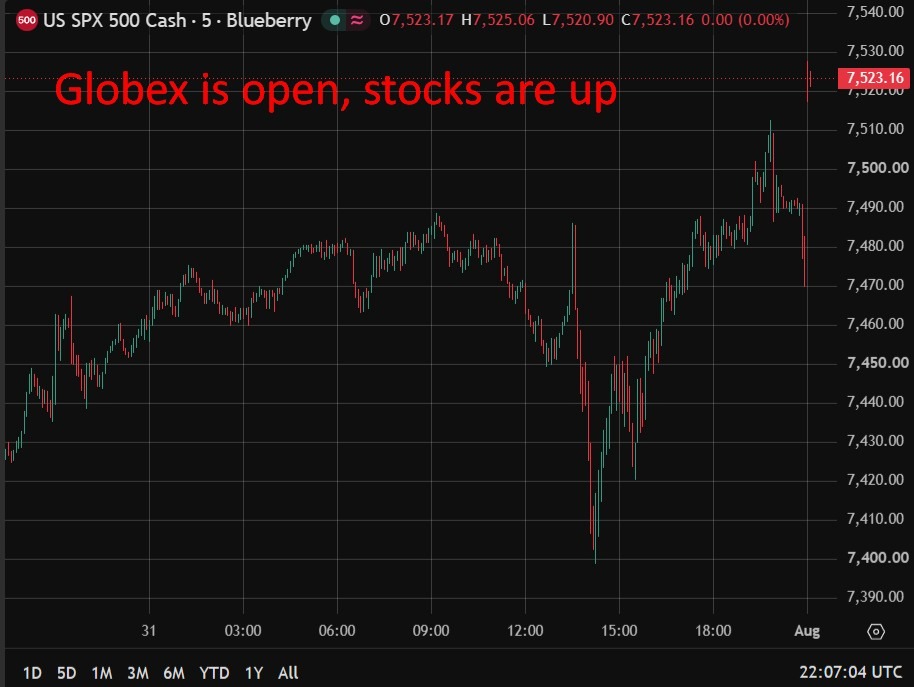
CME Globex electronic futures trading opened with significant moves as US President Donald Trump's recent comments on Iran weighed on oil prices while supporting equity futures. The Sunday-evening open of Globex marks the start of the global trading week, and the magnitude of the moves underscored how sensitive markets remain to geopolitical developments in the Gulf.
Crude oil futures declined approximately 6%, while S&P 500 E-mini futures (ES) and Nasdaq-100 E-mini futures (NQ) each rose around 0.5%. A single-session drop of roughly 6% in crude is unusually large and reflects a rapid unwinding of the geopolitical risk premium that had built up around the prospect of US military action against Iran. Equity futures firmed as the apparent pullback from confrontation encouraged risk appetite, a pattern typically observed when sudden de-escalation headlines reach the market.
Trump's market-supportive remarks ahead of the open followed a weekend of developments involving Iran. Over the weekend, Trump cancelled planned strikes on Iran, stating that deal "perimeters" had been agreed, though Tehran denied the request. On Sunday, Trump claimed that a deal on the Strait of Hormuz was completed and that denuclearisation talks would begin on Monday. The Strait of Hormuz is a critical chokepoint for global oil shipping through which roughly one-fifth of the world's oil supply transits. Tehran's denial of the reported agreement means the de-escalation narrative driving the price moves remains unconfirmed, leaving open the question of whether oil's sharp decline will hold if subsequent statements from Iran contradict or qualify Trump's claims.
In case you missed it:
- Trump claims Hormuz deal done, denuclearisation talks to start tomorrow
- Weekend – Trump cancels Iran strikes as deal 'perimeters' agreed, Tehran denies request
Related market headlines:
- USD/JPY holds lower to start the week as US enters the intervention fray
- Market moving news for Asian trading on 3 August: Oil slumps on Trump's Iran claims
- Nikkei sinks over 2% as yen surges, KOSPI slumps 4% on chip selloff
- UBS forecasts gold at $5,200 by June 2027 despite near-term pullback risk
- Reserve Bank of India expected to hold rates as inflation stays in comfort zone, Reuters poll shows
- China's RatingDog manufacturing PMI eases to 50.9, eighth month of growth
- China private survey July manufacturing PMI 50.9 (expected 51.5, prior 51.7)
- PBOC sets USD/CNY reference rate for today at 6.7898 (vs. estimate at 6.7364)
- Yen rockets as Japan bond yields hit record on rate hike bets, more intervention speculation
- Japan manufacturing output grows at fastest pace in 12.5 years in July

