How Gulf Oil Is Skirting the Strait of Hormuz
Key Takeaways
- •VLCC freight rates have surged, lifting assessed earnings for a Middle East-to-China voyage above $500,000 per day.
- •Saudi Aramco resumed crude loadings and moved at least three VLCCs last week, with cargoes being offered through ship-to-ship transfers off Fujairah.
- •China’s COSCO and CMES have stopped entering Hormuz and Bab el-Mandeb and are redeploying more than 100 VLCCs to collect oil from Fujairah and Oman.
- •Only six commodity vessels crossed the Strait of Hormuz on Monday, and no VLCCs or LNG tankers were visible.
- •The shift away from Hormuz is keeping exports moving but is adding offshore handling steps and increasing operational risk.
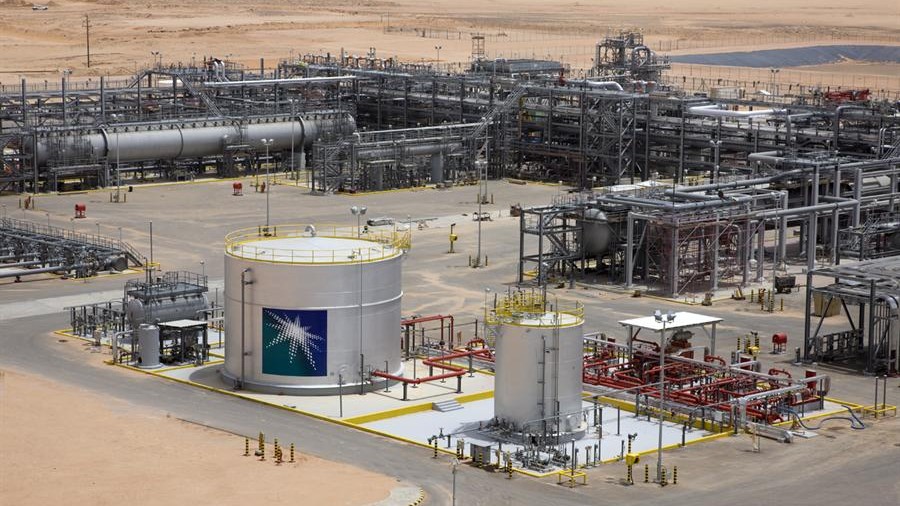
Gulf oil producers are finding new ways around the Strait of Hormuz, but bypassing the world’s biggest oil chokepoint is creating new risks.
VLCC rates surge as Hormuz becomes a freight bonanza
VLCC prices are rising sharply again, pushing assessed earnings for a Middle East-to-China voyage above $500,000 per day as the flow of vessels leaving the Gulf has slowed to just a couple per day. That matters because the Strait of Hormuz remains the main route for a large share of Gulf crude exports, so even modest disruptions quickly ripple into tanker availability, freight pricing and delivery timing across Asia.
Amid reports that Saudi Aramco resumed crude loadings at its key Ras Tanura export terminal, VLCC fixing costs for cargoes inside Hormuz jumped to $31 million per voyage, as seen this week with the Mongolia Prosperity supertanker.
Saudi Aramco loaded at least three VLCCs — Malaysia Prosperity, Algeria Prosperity and Singapore Prosperity — in the Gulf last week. All three vessels are owned by Sinokor, and the company is offering them to Asian buyers through ship-to-ship transfers off Fujairah in the United Arab Emirates on a prompt basis.
For shipping companies, covert transits through the Strait of Hormuz have become the most lucrative freight trade of the day, with several more Saudi-origin VLCCs booked privately without the involvement of brokers. The shift also shows how producers and shippers are adjusting operations to keep barrels moving while reducing exposure to the strait itself, even if that means adding extra handling steps offshore.
Shipping rates are also rising across Asia even though the number of empty VLCCs has fallen to its highest level in five years, with only 372 supertankers currently loaded and 592 tankers ballasting.
Market movers
- Shares of Argentinian shale producer Vista Energy (NYSE:VIST) rose more than 5% after billionaire Peter Thiel disclosed a $76 million stake in the company, equivalent to 1.2 million shares.
- US oil major Chevron (NYSE:CVX) announced an oil and condensate discovery in Block 0 offshore Angola, hitting 91 metres, or 300 feet, of net oil pay with its 105-4X exploration well in the Lower Congo basin.
- London-based energy company Shell (LON:SHEL) lost its litigation against environmental activists in South Africa, with the Constitutional Court ruling that it could not renew its rights to offshore exploration.
- US midstream company Targa Resources (NYSE:TRGP) said it will build three new natural gas processing plants in the Permian Delaware basin with combined processing capacity of 825 MMCf/d.
- Norway’s state oil company Equinor (NYSE:EQNR) bought 87% of Class A shares in the 1.5 GW Lackawanna combined-cycle power plant in Pennsylvania for $940 million from funds managed by BlackRock, expanding its gas-fired power generation portfolio.
Tuesday, August 18, 2026
Trump’s threats to bomb Oman and his Tuesday Truth Social post acknowledging that no talks are scheduled between the US and Iran have pushed oil prices higher again, with ICE Brent trading at $91 per barrel. With the 60-day MoU now officially over and Houthi attacks on ships in and around the Bab el-Mandeb Strait becoming more assertive, Trump’s Middle Eastern entanglements could extend beyond the upcoming midterm elections into Q4.
Hormuz peace window closes
Iran threatened a “fully offensive” posture after Washington ruled out extending the lapsed Memorandum of Understanding signed June 17. Axios reported, however, that behind the public rhetoric, US officials are still negotiating with Tehran through Iraqi mediators.
China’s refining sector edges up
Chinese refinery runs increased by 0.3% month-on-month in July to 12.5 million b/d, the first increase since the Iran war began. Even so, runs remained 16% below last year’s level, as refiners drew an estimated 25–28 million barrels from domestic inventories.
Libya seeks $40 billion for oil comeback
Libya’s National Oil Company says foreign investment of up to $40 billion is needed to lift production to 2 million b/d by the early 2030s. International majors are returning despite persistent drone attacks and recurring protest closures.
Hormuz traffic remains a trickle
Just six commodity vessels crossed the strait on Monday, slightly above Saturday’s three and Sunday’s two. No VLCCs or LNG tankers were visible, as stalled US-Iran talks keep the Gulf’s main energy corridor effectively closed to large-scale shipping.
Trump warns Oman
The US president warned the Omani government against obstructing negotiations with Iran as the failed ceasefire’s 60-day deadline expired, even though Oman remains the only party reporting progress toward a new Hormuz shipping arrangement.
Washington pushes refiners for more fuel
US Energy Secretary Chris Wright said the Trump administration will soon unveil measures to boost US refinery throughput as the average gasoline price exceeds $4.06 a gallon, even though US plants are already running at record rates.
China keeps tankers clear of Hormuz
China’s shipping giants COSCO and CMES, which previously carried half of the country’s Middle Eastern crude imports, have stopped entering Hormuz and Bab el-Mandeb. The companies are redeploying a fleet of more than 100 VLCCs to collect Gulf barrels from Fujairah and Oman.
Petrobras sees promise in Foz do Amazonas
Brazil’s state oil company Petrobras (NYSE:PBR) said crude recovered from its $300 million exploration well in the untapped Foz do Amazonas basin “looks very good,” and it is seeking to speed up drilling after already identifying locations for the next three exploration wells.
US diesel cracks hit record
The US diesel crack rose to an all-time high of $102 per barrel, with middle distillate prices increasing faster than crude in five of the last six sessions. US distillate inventories have fallen to their lowest seasonal level since 1996, even as refiners maximize diesel output.
Canada’s west coast pipeline gains support
EPAC members, representing more than 40% of Canadian oil output, have committed volumes to the proposed 1-million-b/d conduit as Ottawa weighs fast-tracking the project to diversify exports beyond the US and pivot toward Asian markets.
Beijing targets larger gas buffer
Beijing plans to raise natural gas storage above 13% of annual consumption and expand pipeline-import capacity to 114 Bcm per year by 2030. The measures are intended to strengthen supply security after underground storage more than doubled to 54 Bcm between 2020 and 2025.
Aramco shifts crude around Hormuz
Saudi Arabia is privately offering Arab Medium and Heavy cargoes through ship-to-ship transfers off Fujairah, allowing Asian refiners to collect September cargoes without sending tankers into the strait as Riyadh adopts a bypass strategy. The rerouting reflects a broader effort to keep exports moving while limiting exposure to the Gulf’s most contested shipping lane.
Rhine freight shifts to land transport
Navigable depth at Germany’s Kaub chokepoint on the River Rhine fell to a record low of 9 cm, completely halting navigation south of Frankfurt as freight is being transferred en masse to road and rail amid fears of extremely shallow water.
Jazan comes under fire again
The Houthis claimed a third drone attack in two weeks on Saudi Aramco’s 400,000 b/d Jizan refinery, which is already out of operation until at least September after earlier damage. The attacks are pushing more Saudi crude toward Mediterranean loading points as security risks rise.
Drone attack on Greek ship revives Black Sea risks
The Greek-operated Suezmax tanker Skiros was attacked after loading Russian-origin crude at the CPC Terminal, reviving operational risks at a terminal that handles almost 2% of global supply and serves as Kazakhstan’s dominant export route.
By Tom Kool for Oilprice.com

