Stocks Turn Lower as Oil Prices Swing on Mixed Middle East Signals
Key Takeaways
- •Brent crude dropped nearly 10 percent over the week, falling toward $79 per barrel amid conflicting Middle East developments.
- •Iran and Oman reported that an agreement governing Strait of Hormuz shipping is in its final stages, though Iran cautioned it would not guarantee safe navigation.
- •President Trump disclosed that planned US strikes on Iran for Sunday were called off after Iran requested talks, and he suggested an announcement on reopening the strait could come soon.
- •Iranian officials stated the United States was not involved in advancing the Oman talks, contradicting assertions from the White House.
- •A sustained disruption to Strait of Hormuz traffic would threaten oil cargoes bound for Asia and Europe, while durable de-escalation could accelerate crude's downward trajectory from recent highs.
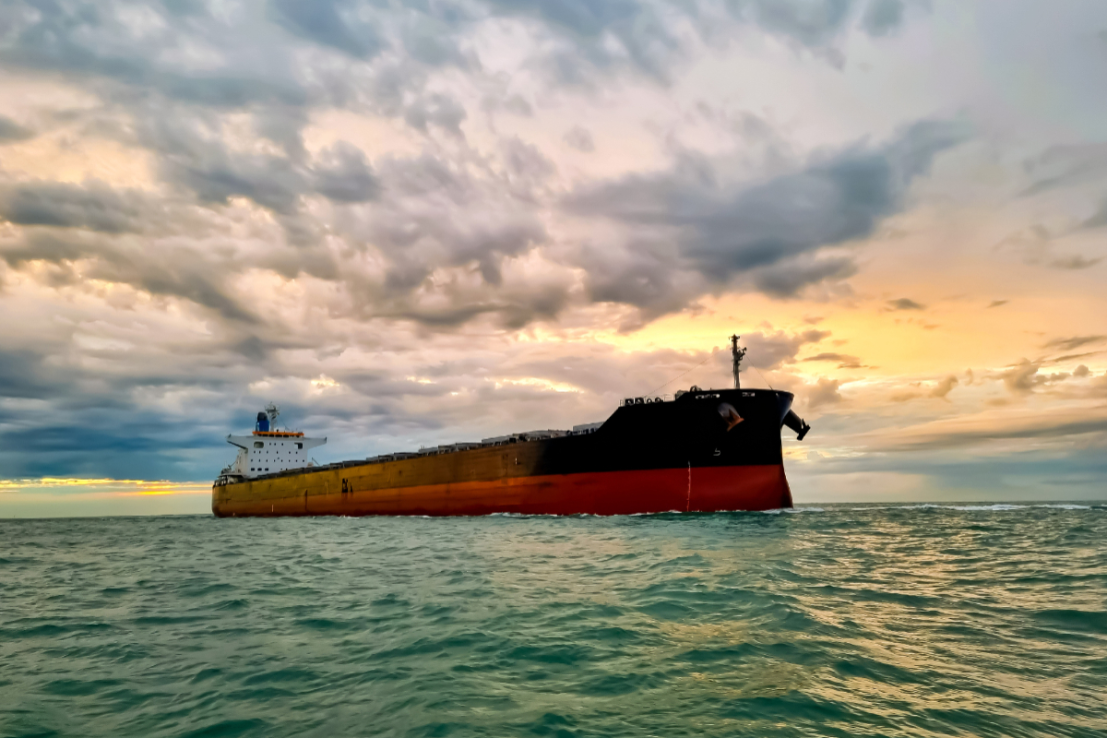
Oil prices swung around the $80 threshold over the past 24 hours amid a flurry of conflicting developments from the Middle East, leaving equity markets to slip into negative territory.
Brent crude, the international benchmark, was drifting toward $79 per barrel on Thursday morning, nursing a loss of nearly 10 per cent for the week. The slide came after Iran and Oman reported progress toward an agreement to govern shipping through the Strait of Hormuz, the narrow channel through which roughly a fifth of the world's daily oil supply transits.
That downward move followed a brief rebound on Wednesday, when Iran-backed Houthi militants in Yemen claimed to have targeted a Saudi oil tanker in the Gulf of Aden.
Tehran's foreign ministry spokesman Esmaeil Baqaei said a deal with Oman was "in the final stages," but cautioned that it would not guarantee safe navigation through the strait. Baqaei argued that security conditions remained compromised by the US blockade of Iran's ports. Tehran officials also stated that the United States was not involved in advancing the talks — a claim that contradicts rhetoric emanating from the White House.
"We were all set for the biggest attack since World War II, and they called me, and they said, 'Please don't do it, let's talk,'" President Donald Trump said on Wednesday, referencing cancelled US strikes originally planned for Sunday.
The President claimed the US was "knocking the hell out of" Iran but added that he would "rather make a deal, because I don't want to kill people."
Trump later reiterated that "a lot of progress had been made" toward reopening the Strait of Hormuz and hinted that an announcement could come soon. (Truth Social)
The back-and-forth has left energy markets grasping for a clear directional signal. A sustained breakdown in Strait of Hormuz traffic would threaten cargoes bound for Asia and Europe, while any durable de-escalation could accelerate crude's slide from the recent highs that followed the initial US–Iran confrontation.

