Oil Prices Climb as U.S.–Iran Peace Hopes Fade
Key Takeaways
- •Crude oil prices climbed as the gap between U.S. and Iranian negotiating positions widened, with Brent crude reaching $87.72 per barrel and WTI at $82.13.
- •President Trump demanded Iran pay reparations for 50 years of war-related damages, further complicating the prospects for a peace deal.
- •Iran insists the Strait of Hormuz will remain closed until the United States meets six conditions Tehran outlined earlier in the week, even as it discusses joint management of the waterway with Oman.
- •Tankers transiting the Strait of Hormuz are increasingly disabling AIS transponders, a practice known as 'dark activity' that raises safety and insurance concerns.
- •ING commodity strategists assessed that any potential agreement remains distant and that risks continue to skew toward higher oil prices.
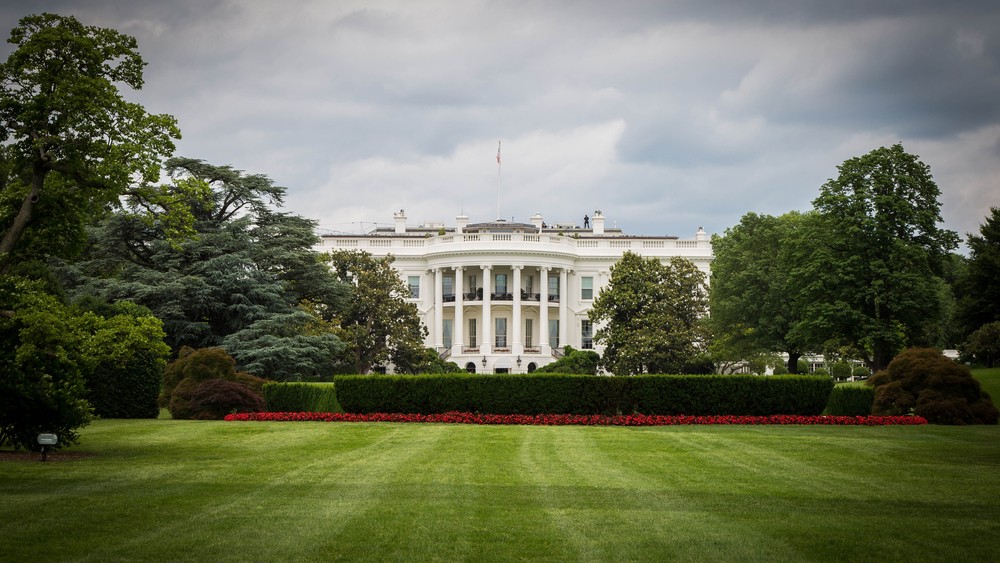
Crude oil prices moved higher on Monday as prospects for a lasting peace agreement between the United States and Iran dimmed, following Tehran's release of six conditions for reopening the Strait of Hormuz earlier this week and President Donald Trump's dismissive response.
The Strait of Hormuz is the world's most critical oil transit chokepoint, carrying roughly 20 million barrels per day—approximately one-fifth of global oil consumption—through the narrow waterway between Iran and Oman. Any sustained disruption to those flows would have immediate consequences for energy markets worldwide, which is why each development in the U.S.–Iran standoff draws close market scrutiny.
At the time of writing, Brent crude was trading at $87.72 per barrel, while West Texas Intermediate (WTI) stood at $82.13 per barrel. The upward movement came after President Trump demanded that Iran pay reparations to the United States for war-related damages.
"We're going to ask for money for the damage they've done over a 50-year period," Trump told reporters at the White House earlier this week. "So if there's damages to be paid, I think Iran should pay those damages." He added, "Also, with respect to the Iran negotiations, Iran should be responsible for the damages and death caused to the people of Lebanon, Syria, Yemen, and Gaza!"
Iran, for its part, said it was drawing closer to finalizing a deal with Oman regarding the joint management of the Strait of Hormuz. However, Tehran emphasized that its conditions for reopening the critical waterway remain in force and that Hormuz will stay shut until the United States fulfills the six demands listed earlier this week.
"There appears to be a gulf, no pun intended, between the U.S. and Iran over what any agreement would actually look like," Tim Waterer, chief market analyst at KCM Trade, told Reuters.
ING commodity strategists Warren Patterson and Ewa Manthey wrote in a note that "current rhetoric suggests any potential deal is still some way off, meaning risks remain skewed to the upside for oil prices." However, they added, "Oil continues to move through the Strait of Hormuz even as disruptions persist, underscoring the market's ability to keep flows moving despite periodic turbulence."
Patterson and Manthey also noted that tankers are turning off their transponders to transit the Strait of Hormuz, with Iraq reporting average daily export rates of 2 million barrels. The practice of disabling AIS transponders—commonly referred to as "dark activity" in maritime security circles—has become increasingly common for vessels navigating contested waters, though it raises navigation safety risks and complicates insurance and liability assessments for shippers and their cargo insurers.
Source: OilPrice.com

