Oil Prices Surge 5% as Hopes Fade for Swift Reopening of the Strait of Hormuz
Key Takeaways
- •Oil prices rose 5% on August 10, 2026, as expectations diminished for a quick reopening of the Strait of Hormuz.
- •The Strait of Hormuz typically transports roughly one-fifth of the world's daily oil consumption and is essential for exports from major Gulf producers including Saudi Arabia, the UAE, Kuwait, Iraq, and Qatar.
- •Iran has conditioned the resumption of full strait operations on the lifting of U.S. sanctions and compensation for war damages.
- •Existing bypass pipelines operated by Saudi Arabia and the UAE can only cover a fraction of the strait's total throughput, limiting their ability to offset a sustained closure.
- •IEA member countries collectively hold strategic petroleum reserves designed to cover approximately 90 days of net import requirements as a buffer against sudden supply shocks.
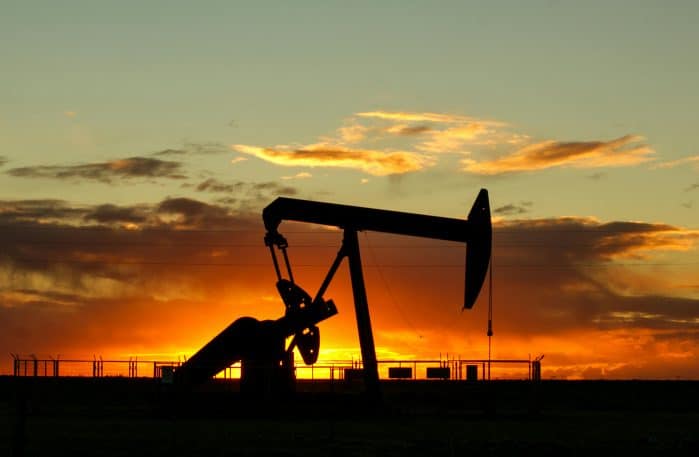
Oil prices jumped 5% on August 10, 2026, as expectations dimmed for a rapid reopening of the Strait of Hormuz, one of the world's most critical chokepoints for global crude oil shipments.
The narrow waterway, located between Iran and Oman, connects the Persian Gulf to the open ocean and typically carries roughly one-fifth of the world's daily oil consumption. Any disruption to traffic through the strait has immediate ramifications for global energy markets, given that major Gulf producers—including Saudi Arabia, the United Arab Emirates, Kuwait, Iraq, and Qatar—rely on it to export substantial volumes of crude oil and liquefied natural gas. While bypass infrastructure exists, including Saudi Arabia's East-West pipeline to the Red Sea and the UAE's Habshan–Fujairah line to the Gulf of Oman, their combined capacity covers only a fraction of total Hormuz throughput, limiting their ability to fully offset a sustained closure.
Iran has established stringent conditions for resuming full operations in the strait. Chief among these demands are the lifting of U.S. sanctions imposed on Tehran and compensation for war damages. These prerequisites have significantly reduced expectations among market participants for an immediate normalization of oil flows through the channel. The standoff echoes previous episodes in which Tehran linked passage through the strait to sanctions relief, including tensions during 2012 and again in 2018–2019, none of which resulted in a full closure but each of which contributed to sharp price volatility.
The impasse has fueled concerns about a prolonged disruption to oil supplies at a time when global energy markets remain sensitive to geopolitical risk. IEA member countries collectively hold strategic petroleum reserves designed to cover roughly 90 days of net import requirements, providing a buffer against sudden supply shocks, though the duration and effectiveness of such reserves depend on the scale and length of any disruption. The latest price movement is consistent with heightened tensions in the region and their direct impact on crude oil market dynamics.
Attention is now focused on several key variables that could influence the trajectory of prices. Any shift in U.S. sanctions policy toward Iran could alter the prospects for the strait's reopening. Meanwhile, organizations such as OPEC and the International Energy Agency may offer further guidance on potential production adjustments aimed at offsetting supply shortfalls. Broader geopolitical developments and their effects on oil supply will remain critical indicators for market participants assessing future price movements.
The source article can be found at CryptoBriefing.

