Oil Hits $100 as Trump Weighs Major Military Action Against Iran: FT
Key Takeaways
- •Oil prices have risen to $100 per barrel amid reports that former President Donald Trump is considering a significant military response against Iran.
- •Brent crude has increased by more than 10% since the latest hostilities began, though it remains far below its all-time intraday high of nearly $148 set in July 2008.
- •Houthi rebel attacks on Saudi oil tankers have intensified concerns about supply disruptions through critical maritime routes including the Red Sea and nearby Strait of Hormuz.
- •Approximately 20% of global oil consumption transits through the Strait of Hormuz, a chokepoint that Iran has previously threatened to close during periods of heightened tension.
- •OPEC+, which includes Russia and other non-OPEC allies, faces growing pressure to stabilize prices as markets assess the risk of further Middle East supply disruptions.
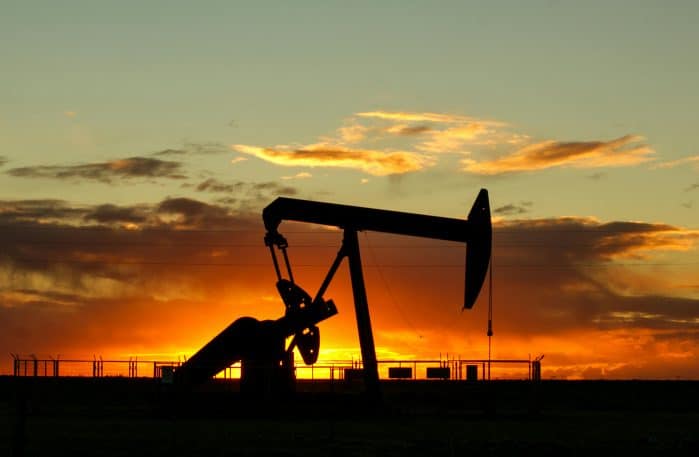
Oil prices have surged to $100 a barrel as former President Donald Trump considers a significant military response against Iran, the Financial Times reported.
The potential escalation follows recent Houthi rebel attacks on Saudi oil tankers, which have intensified concerns over supply disruptions in critical maritime routes. The development has fueled speculation over the future trajectory of oil prices as markets assess the implications of rising geopolitical tensions across the Middle East.
Brent crude, a global oil benchmark, has risen by more than 10% since the onset of the latest hostilities. The benchmark is widely used to price roughly two-thirds of the world's internationally traded crude oil supplies. For context, Brent's all-time intraday high of nearly $148 was recorded in July 2008, meaning a new record would require prices to climb substantially above current levels.
The Financial Times report has heightened attention on the prospect of broader conflict in the region. Houthi rebels, who control much of northern Yemen, have repeatedly targeted commercial shipping in the Red Sea and surrounding waters, threatening one of the world's most important energy transit corridors. Beyond the Red Sea, the nearby Strait of Hormuz — through which roughly 20% of global oil consumption transits — has long been a focal point for supply-risk concerns, as Iran has previously threatened to close the chokepoint during periods of heightened tension.
Market activity reflects a notable increase in the probability of crude oil reaching a new all-time high by the end of the year, driven in part by the risk of supply disruptions tied to Middle East tensions. The surge also tests OPEC+'s capacity to stabilize prices; the producer group, which includes Russia and other non-OPEC allies, manages production targets that influence global supply levels.
Key international actors, including OPEC and major oil-producing nations, will play a central role in shaping market expectations going forward. Any further announcements from Trump regarding military strategy could also significantly influence oil market dynamics. Additionally, any de-escalation or intensification of conflicts in the Middle East may further affect oil price trajectories.

