Oil Prices Fall Sharply After JD Vance Post Signals Possible Iran War De-Escalation
Key Takeaways
- •Oil futures dropped sharply after a post by US Vice President JD Vance suggested a potential de-escalation in the war involving Iran.
- •Brent crude fell to roughly $94–95 per barrel, while West Texas Intermediate declined to about $88–89.
- •Traders read the signal as shrinking the geopolitical risk premium tied to possible Persian Gulf supply disruptions, reducing expectations for near-term record-high crude prices.
- •According to long-standing US Energy Information Administration estimates, roughly one-fifth of worldwide oil consumption transits the Strait of Hormuz, which helps explain why Middle East security headlines move oil prices quickly.
- •Market attention is now focused on White House policy statements regarding the Iran conflict, as well as supply-side signals from OPEC and the International Energy Agency.
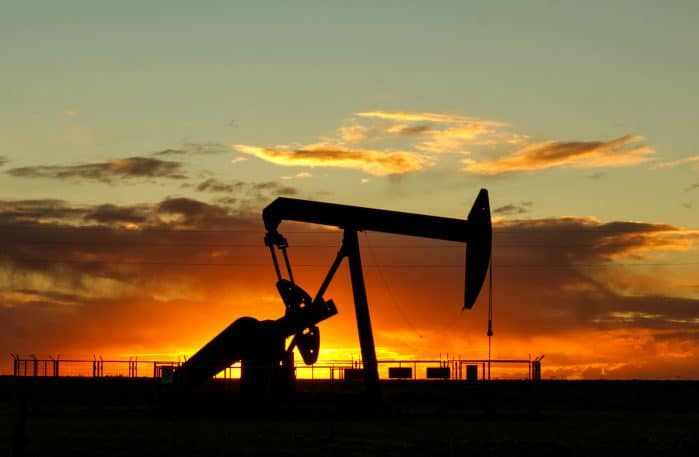
Oil futures fell sharply after a post by US Vice President JD Vance suggested a potential de-escalation in the war involving Iran, shifting market expectations about the White House's next steps in the conflict. Because the vice president is among the administration's most senior officials, public signals of this kind are watched closely for indications of where Washington's approach to the conflict may be heading.
Benchmark Prices Slide
Both major crude benchmarks moved lower. Brent, the international reference grade priced off North Sea crude, dropped to roughly $94–95 per barrel, while West Texas Intermediate (WTI), the primary US benchmark, fell to about $88–89.
Market Interpretation
The decline appears to reflect a market reading that reduced geopolitical tensions would lower the risk of supply disruptions in the Persian Gulf — a factor traders often describe as a geopolitical risk premium, which had previously supported elevated prices. On that interpretation, traders are adjusting downward their expectations for potential future oil-price surges.
Taken together, the market reaction appears to indicate a reduced likelihood of crude oil reaching new all-time highs in the near term. Vance's statement seems to have influenced sentiment by shifting geopolitical risk assessments tied to the Iran conflict, and current pricing frames the potential for de-escalation as consistent with lower oil prices.
Oil markets have historically reacted sharply to Middle East security headlines because a large share of global supply originates in the Gulf region. Roughly one-fifth of worldwide oil consumption transits the Strait of Hormuz, the chokepoint at the mouth of the Persian Gulf, according to long-standing US Energy Information Administration estimates — a dynamic that helps explain why even signals of de-escalation can move prices quickly.
What to Watch
Attention now turns to any official statements or policy shifts from the White House regarding the Iran conflict, which could further influence oil-price expectations. Signals from key supply-side actors may also shape the outlook: OPEC, the producer group that coordinates output policy among member countries, and the International Energy Agency, the Paris-based intergovernmental body that publishes regular global market assessments, may each provide indications of future oil supply dynamics.
More broadly, any progress in peace negotiations or improvement in Middle East geopolitical stability would be consistent with the scenarios in which oil prices remain suppressed.
Source: CryptoBriefing

