Oil Prices Climb Toward $100 as Middle East Peace Hopes Fade
Key Takeaways
- •Brent crude traded at $97.66 per barrel and West Texas Intermediate at $93.05 as prices approached the $100 mark.
- •Iran threatened 'economic warfare' and said it fired a new, advanced missile at U.S. warships.
- •Saudi Arabia's Jizan refinery, with a 400,000 barrel-per-day capacity, was attacked again by Yemeni forces.
- •Iran announced plans for a new shipping corridor in the Strait of Hormuz, a chokepoint carrying roughly a fifth of globally traded oil.
- •Analysts forecast the crisis could last into 2027, and speculators have increased net long positions in Brent crude.
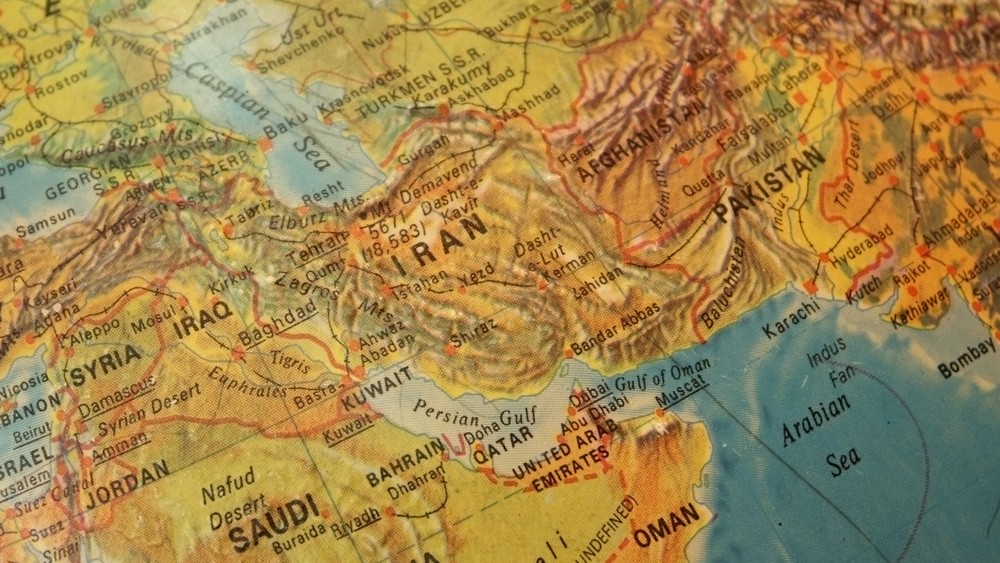
Brent crude moved closer to $100 per barrel as expectations for peace in the Middle East continued to diminish amid renewed mutual threats between the United States and Iran.
At the time of writing, the international benchmark was trading at $97.66 per barrel, with West Texas Intermediate at $93.05 per barrel. The advance came after Iran threatened the United States with "economic warfare" and said it had fired a new, advanced missile at U.S. warships.
Prices were also pushed higher by the latest attack on Saudi Arabia's Jizan refinery, a facility with a daily capacity of 400,000 barrels of crude that has been a frequent target for Yemeni forces.
Iran also said Monday it would establish a new shipping corridor in the Strait of Hormuz, suggesting tanker traffic in the waterway would become even more challenging than it already is. The strait is one of the world's most important oil chokepoints, with roughly a fifth of globally traded oil passing through it, so any sustained disruption there affects supply chains well beyond the region.
"In recent days, Washington has received a clear warning from Iran's new missiles. Economic warfare will be met by a maritime exclusion zone across the Persian Gulf to the blockade perimeter. The operational posture toward U.S. warships and bases has been fundamentally recalibrated," the secretary of Iran's Supreme National Security Council, Mohsen Rezaei, said, as quoted by Reuters.
The warning followed an exchange of missile strikes on ships in the Persian Gulf, which reinforced the perception that the war is not ending anytime soon. Analysts have begun forecasting the crisis extending into 2027 and are revising their oil price forecasts accordingly.
"We don't expect a full return to pre-war throughput until late Q1 or early Q2 2027," ANZ analyst Daniel Hynes said in a note, as quoted by Reuters. ING analysts, meanwhile, noted that speculators have increased their net long positions in Brent crude as the prospect of peace evaporates — a positioning shift that tends to amplify price moves in either direction.
By Irina Slav for Oilprice.com
