Brent Nears $96 as Iran Conflict Keeps Oil Market on Edge
Key Takeaways
- •Brent crude traded at $95.55 per barrel and West Texas Intermediate at $91.53 as prices climbed toward a sharp weekly gain.
- •The Strait of Hormuz handles roughly one-fifth of global oil trade, and any sustained disruption would affect exports from multiple major Gulf producers.
- •ING analysts cautioned the rally could stall if Hormuz shipments keep flowing smoothly, noting Iraqi exports averaged 2.35 million barrels daily in August.
- •Saudi Arabia left its Arab Light crude price unchanged for October loadings, suggesting crude supply constraints may be easing even as fuel markets remain tight.
- •U.S. Vice President JD Vance said Washington will not hold peace talks with Iran until attacks on ships in the Strait of Hormuz stop.
Crude oil prices extended their climb on Friday and are set for a sharp weekly gain as the war in the Middle East continues with little sign of a peaceful resolution.
At the time of writing, Brent crude was trading at $95.55 per barrel, while West Texas Intermediate changed hands at $91.53 per barrel. The gains came as Iran and the United States traded missile strikes this week and Israel's defense minister threatened to inflict "crippling" damage on Iran's infrastructure—both military and civilian—including energy facilities.
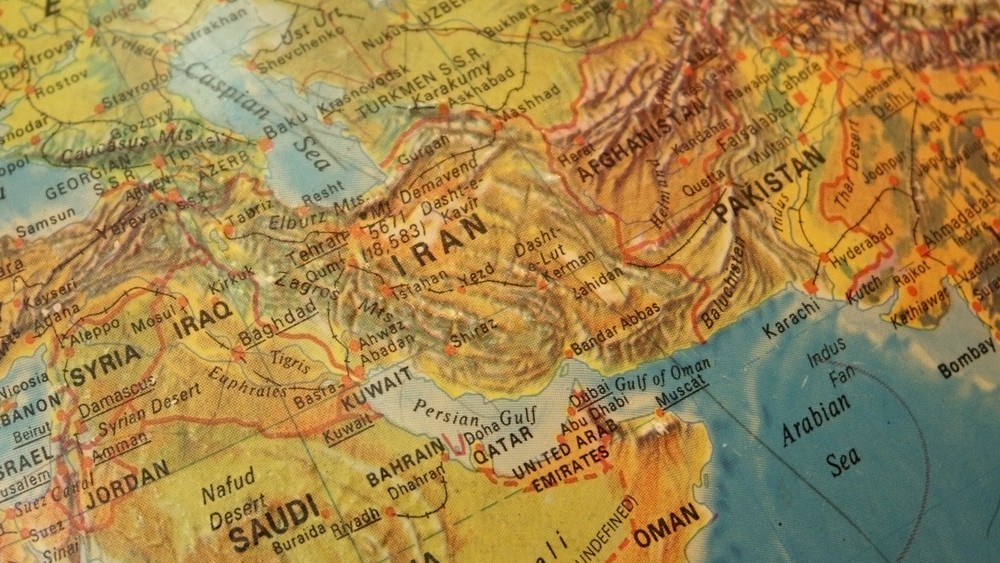
The stakes for global supply are considerable: the Strait of Hormuz, the narrow waterway between Iran and Oman, handles roughly a fifth of the world's oil trade, and any sustained disruption there would affect exports from several major Gulf producers, not just Iran. That is why the market remains on edge even though shipments have so far continued to flow.
"The market is entering a delicate adaptation phase. Elevated inventories helped absorb the initial supply crisis, but the challenge is now to keep the market balanced as those buffers diminish," ANZ analysts said in a note quoted by Reuters.
"Escalation is propping up crude, but the rally may lose traction if Hormuz shipments keep moving smoothly," ING's commodity team, Warren Patterson and Ewa Manthey, wrote in a note, citing reports of higher Iraqi oil exports. Iraqi exports averaged 2.35 million barrels daily in August, according to the reports, with almost all shipped via the southern routes. The increase is expected to extend into this month after Iran granted permission for vessels carrying Iraqi crude to pass through the Strait of Hormuz.
The ING analysts also noted Saudi Arabia's decision to leave the price of its flagship Arab Light crude unchanged for October loadings, which would suggest supply constraints are easing. That is not the case in fuel markets, however, where supply remains uncomfortably tight.
Meanwhile, U.S. Vice President JD Vance said Washington does not plan to hold peace talks with Iran until it stops attacking ships in the Strait of Hormuz—a stance that adds upward pressure on oil prices, as Iran has signaled determination to hold to its hard line in response to the latest U.S. strikes, one of which resulted in civilian deaths.
For now, the balance between falling inventory buffers, continued Gulf export flows, and the hardening diplomatic positions on both sides will shape whether the rally holds or stalls.
By Irina Slav for Oilprice.com
