Oil Traders Price In US-Iran Peace as Brent Slides 15% for the Week
Key Takeaways
- •ICE Brent crude slid 15% week-on-week to $99 per barrel as traders weighed prospects of US-Iran diplomatic progress despite ongoing Iranian attacks in the Strait of Hormuz.
- •Saudi Aramco reduced its December official selling prices for all Asian grades by $2 per barrel, setting Arab Light at its lowest level against Dubai/Oman since June 2020.
- •The US Treasury expanded Iran sanctions to Indian and Turkish individuals and companies accused of supplying false flags and certifications for vessels carrying Iranian petroleum.
- •QatarEnergy is seeking an additional 3-6 mtpa of US LNG, on top of volumes secured from Cheniere and Woodside, to hedge against potential Gulf supply disruptions.
- •Colombia's new president is seeking to hold a hydrocarbon licensing round in 2027, reversing the exploration moratorium introduced by his predecessor, although the Sirius gas project is reportedly delayed to 2031.
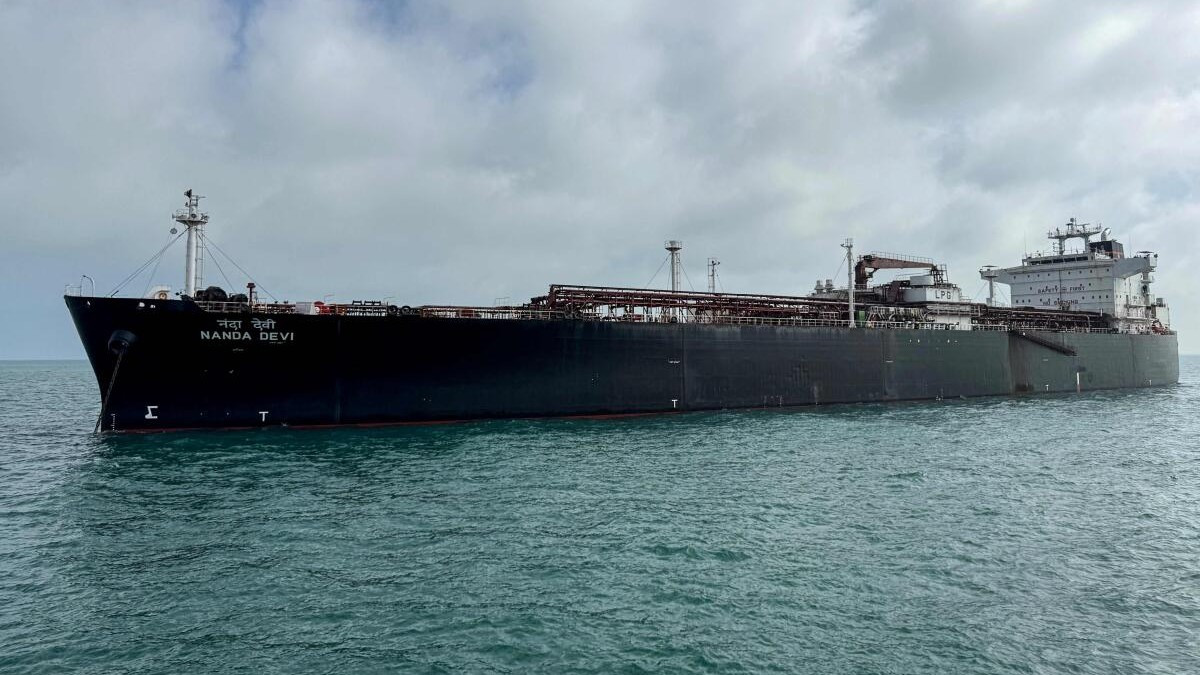
Oil prices are headed for one of the steepest weekly declines in recent memory, with ICE Brent sliding a hefty 15% week-on-week to $99 per barrel on expectations of US-Iran diplomatic progress and a shrinking window of opportunity for the Trump administration to sustain hostilities in the Middle East. Talk of a global supply glut may still be premature — Iranian drone and missile attacks continue unabated in the Strait of Hormuz — but the general sentiment has unmistakably shifted toward bearishness.
For energy markets, the immediate watchpoints are whether diplomatic progress continues and whether attacks in the Strait of Hormuz ease. The week's developments also show how governments and companies are responding to the same uncertainty through sanctions, alternative transport routes, domestic supply protections, and efforts to secure energy infrastructure.
The bearish turn has rippled across energy and commodity markets worldwide. Here are the key developments from the week:
Middle East and the Gulf
Saudi Aramco (TADAWUL:2222) slashed its December official selling prices (OSPs) for all Asian grades by a uniform $2 per barrel, constrained by the shipping squeeze in the Gulf. The Saudi national oil company set its flagship grade, Arab Light, at a $7 discount against Dubai/Oman — the lowest pricing level since June 2020.
Washington, meanwhile, widened its Iran sanctions net to India and Turkey. The US Treasury imposed sanctions on Indian and Turkish individuals and companies accused of supplying false flags and certifications to vessels carrying Iranian petroleum, ratcheting up pressure on Tehran even as broader geopolitical easing takes hold.
The UAE is weighing a third route around Hormuz. According to reports, the Emirates' national oil firm ADNOC is looking to build a third west-to-east pipeline that would carry third-party crude from other Middle Eastern producers to Fujairah, expanding the country's regional clout as it prepares to launch its second pipeline in Q1 2027.
Qatar is similarly working to reduce its exposure to the strait. QatarEnergy is seeking another 3–6 mtpa of US LNG after securing 4 million tonnes from Cheniere (NYSE:LNG) and 3 million tonnes from Woodside (ASX:WDS), greatly expanding its trading portfolio to hedge against potential disruptions in the Gulf.
Asia
India has identified energy storage as the missing link in its renewable boom. The government has vowed to pledge $1.5 billion in subsidies to help build 92 GW of energy storage capacity, with financial support running through 2031 as Delhi seeks to better integrate its 230 GW of existing solar and wind capacity.
China's November diesel exports may fall below 800,000 tons — roughly 200,000 b/d — the lowest level since July, as domestic stocks of middle distillates remain below seasonal norms after refiners shipped a record 500,000 b/d out of the country in September.
The country's copper market is similarly tight, and it is all about missing metal. Shanghai spot premiums for copper reached a five-year high of ¥2,100 per tonne ($315/t) as ratcheting domestic smelter curtailments, limited Russian and African supply, and US-bound trade flows have depleted available copper cathodes.
The Americas
Colombia is reopening the door to oil exploration. The country's new president, Abelardo De La Espriella, is seeking to hold the next hydrocarbon licensing round in 2027, reversing the moratorium on new exploration introduced by his predecessor Gustavo Petro in a bid for greater energy self-sufficiency.
However, Colombia's largest gas discovery on record — the 6 TCf Sirius offshore project — is reportedly delayed to 2031 as partners Ecopetrol and Petrobras navigate mandatory prior consultations with local ethnic communities, despite the country's 40% import dependence.
Brazil is keeping crude at home as trade tensions rise. The country's Trade Ministry extended its 12% oil export tax through year-end 2026 to protect domestic diesel supply and fund consumer subsidies amid the US-Iran conflict, while simultaneously launching a process to levy retaliatory measures against US tariffs.
US upstream M&A activity climbed higher in the third quarter, rising to $12.6 billion according to intelligence firm Enverus. That lifts the total for 2026 transactions to $80.5 billion, with private-to-public deals accounting for roughly two-thirds of disclosed value amid a wider shale consolidation.
Europe and Russia
Russia's fuel subsidies are spiraling out of control. Russian authorities paid 415 billion rubles ($5.1 billion) in subsidies to refiners in October, marking the highest payouts since April 2022, as Moscow compensates downstream producers for selling their products domestically rather than exporting them.
Italy is moving to break gas's grip on power prices. The Meloni government is set to approve changes to the country's energy bill that would allow Rome to reimburse power utilities when European gas prices exceed €58.90/MWh — the current level is €86/MWh — seeking to limit fuel cost pass-through into wholesale electricity.
European Union member states have agreed to postpone the bloc's methane reporting rules into 2028, staving off fears that requirements obliging oil, gas and coal importers to report methane emissions would disrupt existing trade flows. The agreement leaves scope for two further annual postponements.
Australia and Indonesia
Australia's key gas project has stalled under rising costs. The $700 million Golden Beach Energy project, one of the largest natural gas projects in the state of Victoria, has entered administration citing delays and soaring costs, making gas shortages considerably more likely in eastern Australia from 2028 onwards.
Indonesia's mining crackdown has sent nickel higher. The benchmark LME three-month contract jumped to $16,400 per tonne, a five-week high, after the Indonesian government targeted firms linked to ex-Glencore trader Arif Kurniawan over alleged forest and licensing violations.
By Tom Kool for OilPrice.com. Originally published on Friday, November 6, 2026.

