Oil Heads for 5% Weekly Drop as Ample Gulf Flows Outweigh Daily Tanker Attacks
Key Takeaways
- •ICE Brent is heading for a weekly drop of around 5% to $91 per barrel as abundant Middle Eastern shipments to Asian buyers continue to outweigh escalating geopolitical threats, including roughly one confirmed tanker strike per day in the Strait of Hormuz.
- •VLCC freight rates from the Gulf of Oman to Northeast Asia have plunged about 60% in three weeks to $9 per barrel, their lowest since September, as tankers return to the water and keep transport costs down.
- •Russian refinery throughput has fallen 40-45% from its late-October peak above 5 million b/d following renewed Ukrainian strikes, driving fuel rationing across multiple regions and threatening December diesel exports.
- •The IEA warned that the US-Iran war could cut global oil demand by up to 4% by 2035 through accelerated electrification and fuel switching, and estimates the conflict has already caused a supply loss of 2.8 billion barrels.
- •The US Senate passed a bipartisan 62-33 bill to expedite permitting of power plants, transmission lines and data centres, reflecting how AI-driven electricity demand is shaping US energy infrastructure policy.
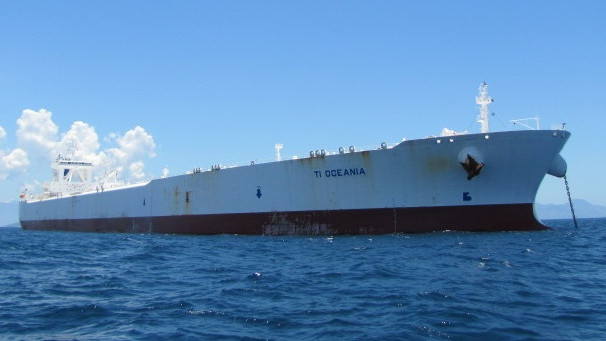
Oil prices are heading for a 5% weekly decline, with sentiment still swayed by the ample flow of Middle Eastern barrels to Asian customers — a supply backdrop that continues to outweigh a heavy slate of bullish geopolitical drivers, from near-daily tanker attacks and Houthi threats to escalating regional tensions.
None of the bullish factors that have shaped recent months have lost their relevance. Iranian drone strikes on tankers in the Strait of Hormuz are running at roughly one confirmed hit per day, the Russia-Ukraine war remains as frenzied as ever, and the Houthis are threatening unprecedented attacks against Saudi Arabia after Riyadh's earlier strike on the port of Hodeidah. As of Friday, November 20, 2026, ICE Brent is set to close the week at $91 per barrel, with its trading range likely to stay capped within $90-100 per barrel for as long as President Trump's next real move remains unclear.
US Senate Backs Faster Energy Permits, Bigger Grid Bills for AI. The US Senate passed a sweeping bipartisan bill, four years in the making, in a 62-33 vote. The legislation would expedite approvals for large energy infrastructure projects such as power plants, transmission lines and data centres needed to support rapid AI growth (Reuters). The breadth of the vote underscores how AI-driven electricity demand has become a direct driver of US permitting policy.
Asian Gasoline Margins Crash to a Three-Year Low. A flurry of Chinese exports and seasonally weak demand continue to push gasoline cracks lower, with Asia's benchmark Singapore crack falling to just $1 per barrel by the end of the week — down from an all-time high of $50.5 per barrel on October 1 (Reuters). A level that thin leaves Asian refiners with minimal cushion on the gasoline side of their slate.
Russia Widens Fuel Rationing as Refinery Runs Slump. Russian refinery runs have fallen by 40-45% since seasonally peaking above 5 million b/d in late October amid renewed Ukrainian strikes. A growing number of regions are capping gasoline and diesel sales, hampering Moscow's diesel export plans for December (Reuters). How much diesel Russia manages to ship in December will be one of the season's key supply datapoints.
US Extends Iran Blockade Enforcement to Ship-to-Ship Transfers. US Central Command has tightened its naval blockade against Iran, warning that vessels receiving Iranian-loaded cargo at sea could face enforcement even if they never enter Iranian waters, placing the remaining LPG and jet fuel shipments under greater pressure (Reuters).
Putin Rules Out Energy and Black Sea Ceasefires. Russian President Vladimir Putin rejected any possibility of a ceasefire covering the energy sector or the Black Sea, citing Kyiv's recent strikes on the Kerch Bridge linking Russia with Crimea. His remarks came just as an LPG tanker was sunk off Bulgaria this week (Energy Intelligence).
IEA Sees Iran War Accelerating Structural Demand Destruction. The International Energy Agency warned that the US-Iran war could slash global oil demand by up to 4% by 2035 if nations expedite electrification and fuel-switching measures, and said the conflict has so far led to a supply loss of 2.8 billion barrels (Reuters).
Côte d'Ivoire Fast-Tracks $7 Billion Refinery to Cut Fuel Imports. The West African nation announced plans to launch a new greenfield refinery in the western town of San Pedro, targeting processing capacity of 170,000-200,000 b/d as it seeks fuel self-sufficiency in the 2030s.
China's Electric Truck Boom Eats Into Diesel Demand. New-energy vehicles accounted for an all-time-high 57% share of China's heavy truck sales in October, well above Beijing's 40% target for 2030, while displacing 310,000 b/d of diesel demand in January–October amid high fuel prices — a datapoint that dovetails with the IEA's warning that the conflict is accelerating structural demand destruction.
EU Pushes Methane Import Rules Back to 2029. The European Union agreed a two-year delay to the implementation of the bloc's 2024 methane emission regulations, shifting methane-intensity reporting into the next decade and giving suppliers more time to comply with Brussels' stringent mandate (European Parliament).
Sabine Pass Expansion Clears FERC, Awaits Export Approval. The US Federal Energy Regulatory Commission (FERC) approved the 19 mtpa three-train expansion of Cheniere's (NYSE:LNG) 33 mtpa Sabine Pass LNG plant, although the project still needs Department of Energy approval to export to non-FTA markets (FERC). With FERC clearance secured, the DOE's non-FTA export decision now stands as the expansion's remaining regulatory step.
VLCC Rates Slide as Tankers Return to Load. Freight rates for very large crude carriers (VLCCs) fell to their lowest since September as returning tonnage eased regional discrepancies, with a voyage from the Gulf of Oman to Northeast Asia now costing only $9 per barrel — down 60% from three weeks ago (Reuters). The freight retreat underlines the week's central theme: with tonnage back in the water, Gulf barrels continue reaching Northeast Asian buyers at sharply lower transport costs even as attacks persist.
COP31 Draft Drops Fossil-Fuel Language. The COP31 meeting in Antalya produced no breakthrough in climate change regulation, as negotiators scrapped any reference to ending fossil fuel use. The final draft also softened the push to lift electricity's share of global energy use to 35% by 2035, effectively leaving transition pacing to national governments rather than multilateral deadlines (Reuters).
Japan Plans to Triple Saudi SPR Crude Storage. The Japanese government intends to lease Saudi Arabia an additional 16 million barrels of storage capacity, bringing Saudi Aramco's total available volume to 24 million barrels, and plans to buy up to 8 million barrels of Saudi crude to replenish SPR inventories (Bloomberg).
War-Torn South Sudan Pitches 14 Oil Blocks. South Sudan has offered 14 oil exploration blocks to international investors as it seeks to lift crude output by 15% to more than 200,000 b/d by 2029. Interest remains lukewarm, however, as marketing the output relies on a pipeline through war-torn Sudan (Sudans Post).
EU and UK Target 2028 Link for Carbon Markets. The European Union and the United Kingdom have agreed to link their respective emissions trading systems (ETS) from 2028, exempting each other's goods from future CBAM payments, with the British ETS expected to appreciate by some €10 per tonne of CO2 (Carbon Pulse).
By Tom Kool for Oilprice.com.

