Oil Prices Rise as Hormuz and Bab el-Mandeb Disruptions Tighten Global Flows
Key Takeaways
- •Simultaneous disruptions at the Strait of Hormuz and the Bab el-Mandeb drove both ICE Brent and WTI crude prices up $10 per barrel during the week ending July 24, 2026.
- •OPEC+ is expected to raise September production targets by 188,000 barrels per day at its August 2 meeting as the group moves to fully unwind 2023 voluntary cuts totaling 1.65 million barrels per day.
- •The Trump administration announced new tariffs of 10% to 12.5% on imports from 60 trading partners, while exempting oil, gas, and fertilizers from the measures.
- •QatarEnergy extended force majeure declarations on LNG deliveries to Asian buyers through October, raising concerns that export disruptions could persist beyond the third quarter of 2026.
- •Yemen's Houthis claimed missile attacks on two Saudi tankers in the Red Sea, forcing shipowners to reroute around Africa and escalating risks to Saudi Aramco's crude exports.
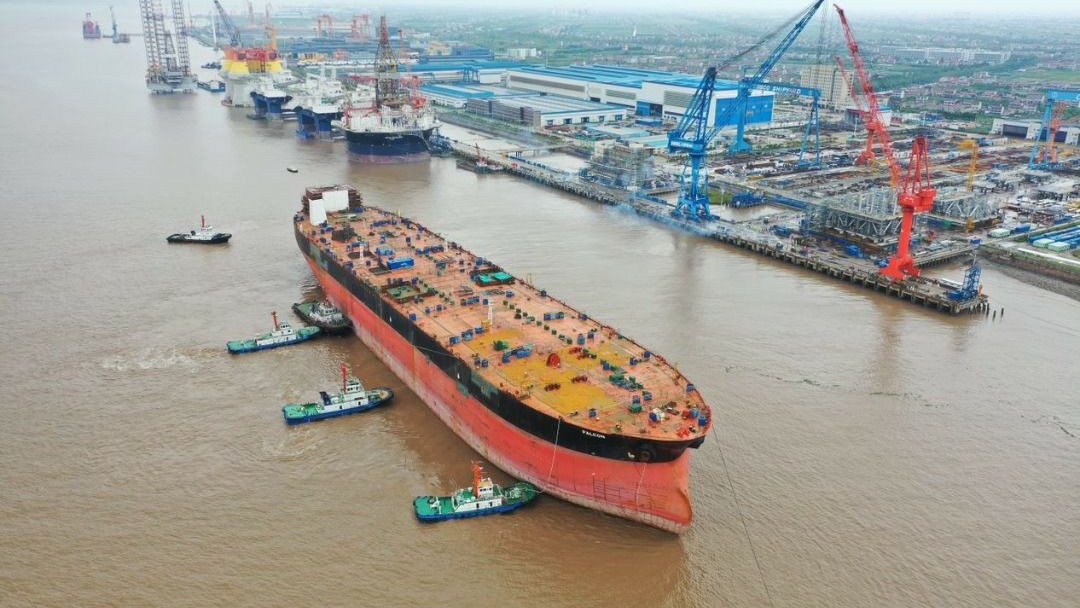
Global oil markets faced a sharper supply-chain squeeze in the week ending Friday, July 24, 2026, as disruptions around both the Strait of Hormuz and the Bab el-Mandeb lifted transport costs and helped drive a rally in crude prices. The two waterways are among the most closely watched energy chokepoints: Hormuz carries Persian Gulf crude and fuel exports toward global markets, while Bab el-Mandeb connects the Red Sea route to the Suez Canal and Mediterranean trade lanes.
OilPrice.com reported that the double blockade of the Strait of Hormuz and the Bab el-Mandeb had accelerated gains in oil markets, with both ICE Brent and WTI rising by $10 per barrel over the week. While the Bab el-Mandeb can technically be bypassed through the Suez Canal, that option requires longer routes and higher costs. The more dramatic drop in tanker transits through Hormuz was described as a particular concern for oil markets. The report also said that, notwithstanding President Trump’s usual Friday posts, oil-deprived refiners globally could push oil back above $100 per barrel.
OPEC+ moves toward unwinding voluntary cuts
OPEC+ is expected to raise September output targets by another 188,000 barrels per day at its August 2 meeting. The move would signal the group’s push to fully unwind its 2023 voluntary cuts, which total 1.65 million barrels per day, despite the U.S.-Iran conflict and security threats in the Red Sea. The decision is being watched against a backdrop in which physical access to barrels and shipping availability can matter as much as headline production targets.
Houthis widen threats to Saudi oil flows
Yemen’s Houthis claimed missile attacks on two Saudi ships in the Red Sea, damaging both the Encelia and Layla tankers. The attacks escalated risks to Saudi Aramco’s crude exports, as disruptions have forced shipowners to sail around Africa to avoid the Houthis.
Chinese tankers pass through Red Sea risk zone
Two China-owned tankers carrying Saudi crude, Xin Long Yang and Cosnew Lake, passed through the Bab el-Mandeb despite recent Houthi attacks. Their transit highlighted Beijing’s readiness to cut a deal with the Houthis amid rising risks across the Red Sea.
Copper gains on tight Chinese inventories
Copper prices climbed to a one-month high of $13,835 per tonne, supported by shrinking inventories and robust demand in China. Waning hopes for a renewed Iran ceasefire and the re-imposition of U.S. tariffs also provided additional support to industrial metals.
Spain and Algeria expand gas cooperation
Spain and Algeria reached an agreement to increase natural gas supplies. The deal targets a boost in flows through the Medgaz pipeline to 12 billion cubic meters per year and expands LNG deliveries, as Madrid seeks to reinforce energy security amid U.S. trade threats and high LNG prices.
Trump administration revives broad tariffs
The Trump administration will impose new tariffs of 10% to 12.5% on imports from 60 trading partners, including the European Union. The measures cite weak enforcement of forced labor bans, replace the outlawed global tariff regime, and exempt oil, gas, and fertilizers.
Panama weighs state role in copper mine restart
Panama is considering creating a state-owned mining company to help reopen the shuttered Cobre Panama copper mine, which is equivalent to 1.5% of global copper output. The plan could give previous owner First Quantum (TSE:FM) an operating stake.
EU agrees 21st sanctions package on Russia
European Union member states reached a political agreement on the bloc’s 21st sanctions package against Russia. The package includes a 12-month extension of the Russian oil price cap and a diluted renewable exemption allowing Russian LNG transshipments to third countries.
Glencore prepares lead stock withdrawals
Trading company Glencore (LON:GLEN) is reportedly preparing to withdraw around 30,000 metric tons of lead from London Metal Exchange warehouses after inventories rose to record highs. The planned drawdown could halt declines in lead prices, with the three-month contract rising to $1,900 per tonne.
United States and Saudi Arabia sign nuclear pact
The United States and Saudi Arabia signed a civilian nuclear cooperation agreement. The pact opens the way for U.S. companies to participate in the kingdom’s nuclear energy program as Riyadh seeks to diversify its power mix and reduce crude use in power generation.
QatarEnergy extends LNG force majeure
QatarEnergy extended force majeure declarations on LNG deliveries to Asian buyers and will continue leasing out LNG carriers through October. The move increased concerns that Qatar’s LNG export disruptions could continue beyond the third quarter of 2026.
Low Rhine water levels threaten European freight
Water levels on the Rhine are forecast to fall to record lows in early August, potentially as low as 30 centimeters. The decline threatens to halt barge navigation and disrupt fuel and chemical deliveries across Central Europe, as traders seek alternative logistics options.
U.S. expands sanctions on Cuban energy entities
The United States imposed new sanctions on three Cuban energy-related entities. The designations include the petroleum research arm of state oil company CUPET and two gas-importing firms, adding further sanctions pressure on Cuba’s fuel supply chain.
TotalEnergies nears Arctic LNG 2 exit
French oil major TotalEnergies (NYSE:TTE) will transfer its 10% stake in Russia’s sanctioned Arctic LNG 2 project to a Novatek subsidiary in the near term. The transaction marks a further retreat from the sanctions-constrained project, despite continued LNG shipments to Asia.
Pakistan shifts to daily fuel price adjustments
Pakistan moved to daily fuel price adjustments based on international benchmarks and currency movements. The change is intended to align domestic fuel costs more closely with global oil market dynamics after the country spent almost $0.5 billion on fuel subsidies in 2026 to date.
By Tom Kool for OilPrice.com.

