Trump Faces Rising Oil Market Pressure as 2026 Midterms Near
Key Takeaways
- •Three major oil shipping lanes faced attacks this week, including the Strait of Hormuz, the Black Sea route used by the Caspian Pipeline Consortium, and the Bab el-Mandeb Strait in the Red Sea.
- •The U.S. Strategic Petroleum Reserve has fallen to approximately 300 million barrels, its lowest level since 1983, down from about 400 million barrels at the start of 2026.
- •Caspian Pipeline Consortium shipments, partially owned by Chevron and Exxon Mobil, have been disrupted in the Black Sea as Ukraine attempts to block Russian oil sales.
- •Houthi forces declared a blockade on Saudi exports through the Bab el-Mandeb Strait, a route that had seen traffic increase to five times pre-war levels.
- •Gasoline prices rose 15 cents on Thursday, returning above $4 per gallon, with analysts warning that consumers are unlikely to see price relief before the November 2026 elections.
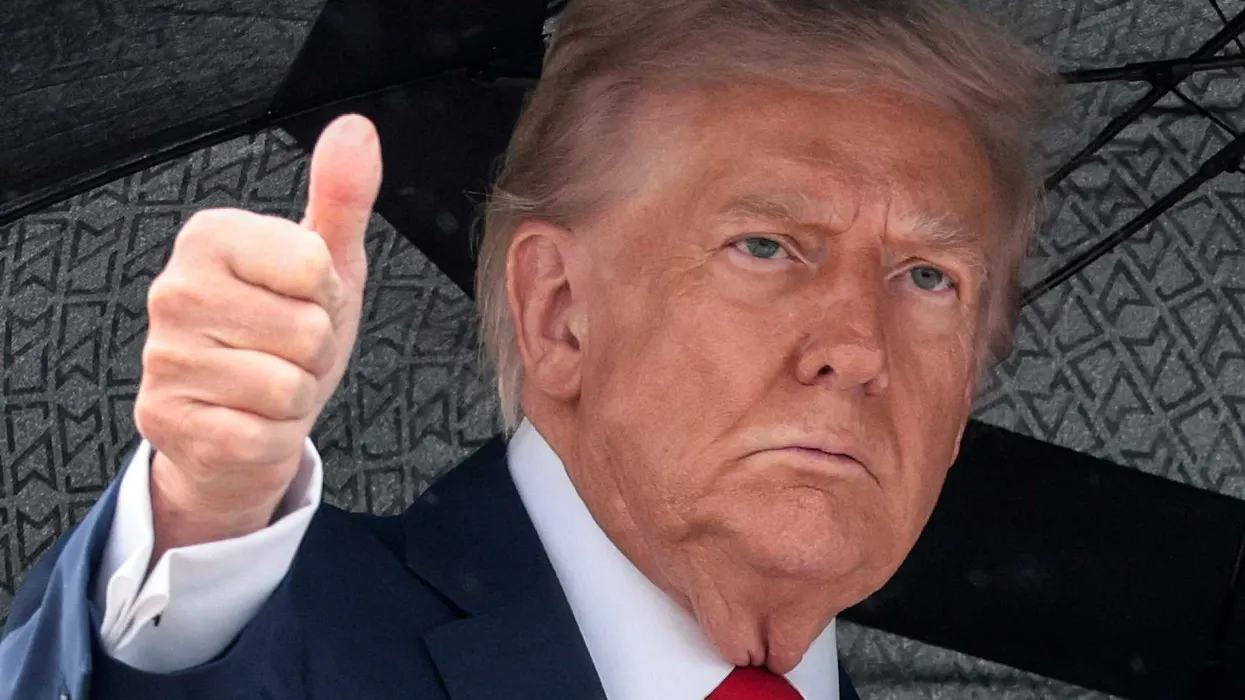
With 102 days remaining before the 2026 midterm elections, President Donald Trump is facing growing difficulty managing the global oil markets that influence fuel prices, as renewed conflict in the Middle East adds pressure to already strained supply routes.
Politico reported on Friday that the oil supply problem extends beyond tankers moving through the Strait of Hormuz. The strait, which connects the Persian Gulf to open ocean, typically carries roughly a fifth of global daily oil demand. According to the report, three major shipping lanes have come under attack this week while inventories are running low.
One of those routes involves the Caspian Pipeline Consortium, which is partly owned by U.S. oil companies Chevron and Exxon Mobil. Its vessels have been caught in the Black Sea as Ukraine seeks to prevent Russian oil from being sold to other countries.
A spokesperson for the consortium told Politico that oil shipments “are not being carried out.” Kazakhstan also condemned drone attacks, describing them as “destabilizing lawful international trade and global energy markets,” according to an official statement.
In the Red Sea, Houthi allies in Yemen are targeting oil shipments moving through the Bab el-Mandeb Strait. Politico reported that “that route had seen increased traffic as Saudi Arabia diverted some of its Persian Gulf flows through a pipeline to its western port of Yanbu.”
Oil shipments through that route have risen to five times their pre-Iran war level. This week, however, the Houthis declared a blockade on Saudi exports through the strait.
The U.S. Strategic Petroleum Reserve also reached its lowest level this week since 1983. Created in the 1970s after the Arab oil embargo to serve as an emergency cushion during supply shocks, the reserve is now far below the levels maintained during previous crises. KWCH reported that the reserve held about 400 million barrels of oil at the start of 2026 but is now approaching 300 million barrels after only a few months. The United States uses a little more than 20 million barrels per day, according to reports.
Politico said there is “little hope of refilling them soon. And the temporary measures that have kept markets afloat since the war in Iran began, such as releases from nations’ petroleum reserves, are nearing their end.”
Fuel prices, meanwhile, rose 15 cents on Thursday and are again above $4 per gallon, according to AAA. Retail gasoline prices are among the most visible economic indicators consumers encounter daily, making them a persistent political vulnerability for incumbents when they climb. The price increase has drawn no response from the president. Recent reports have said Trump is “bored” with Iran and wants to move on.
“Many Republicans thought [their chances of retaining control of Congress] had already hit rock bottom in the late spring and early summer, but now they’re finding that they can actually fall further,” political science fellow Mark Jones told Politico.
“The danger for Republicans is we’re now just a little over three months away from Election Day, and even if the conflict is resolved relatively soon, many consumers are not going to see those benefits before they cast the ballot in the November 2026 elections,” Jones added.
Trump has spent recent months emphasizing solutions, ceasefires, deals and a memorandum of understanding. But what Trump once called an “excursion” that would last only “a few weeks” has developed into a broader war and oil crisis.
The White House has said the objective was to stop Iran from obtaining a nuclear weapon, while also saying last year that the United States had already “obliterated” the country’s nuclear program. On Thursday, a spokesperson said oil and gas prices will “plummet back to pre-conflict levels” once the U.S. military stops Iran from harassing ships in the strait.
The White House has also said Trump is “committed to unleashing American energy dominance, cutting costs and putting more money back in the pockets.”
Over the past 18 months, however, Americans have faced high fuel prices that have increased transportation and shipping costs. Those costs have contributed to higher prices for groceries and other goods, according to PBS NewsHour.

