Nebraska Cattle Feedlot to Produce 1.2 Million MMBtu of Renewable Natural Gas Annually
Key Takeaways
- •Eight anaerobic digesters at Broken Bow, Nebraska, will convert manure from the Adams Land & Cattle feedlot into roughly 1.2 million MMBtu of pipeline-quality renewable natural gas per year.
- •The project, owned by Neogenyx Fuels, is expected to reduce greenhouse gas emissions by approximately 63,700 metric tons annually at full capacity.
- •Digesters capture methane that would otherwise be released, and biogas projects are typically assigned a carbon intensity value of -250, lower than the zero-or-higher cap for solar and wind.
- •Critics, including 15 members of Congress in 2024, contend digesters entrench polluting manure-storage practices at large-scale livestock operations.
- •Some experts worry carbon-credit programs such as California's Low Carbon Fuel Standard may incentivize herd growth or consolidation, though the extent is debated.
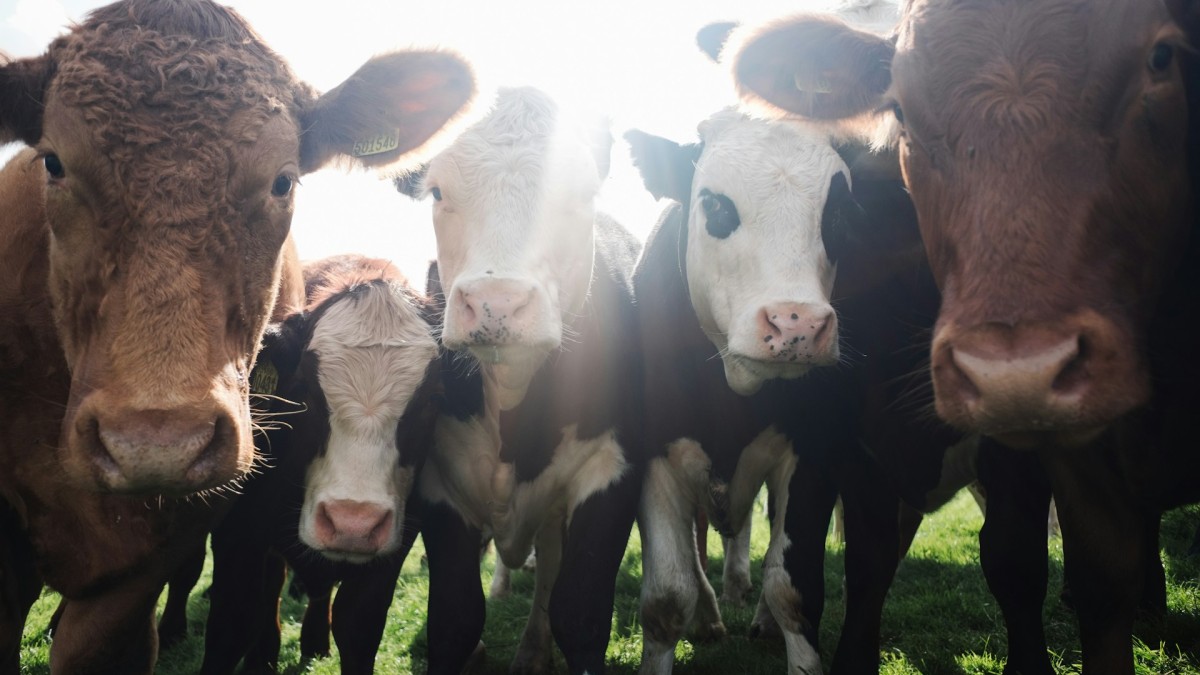
A newly launched project aims to convert cattle manure into a source of sustainable natural gas for energy production and shipping fuel. The initiative recently broke ground in Broken Bow, Nebraska, where eight anaerobic digesters will process waste from the Adams Land & Cattle feedlot into what project leaders hope will be a profitable and environmentally friendly supply of roughly 1.2 million MMBtu of pipeline-quality natural gas per year.
"The Adams Land & Cattle RNG facility demonstrates how American agriculture can play an important role in the future of renewable fuels," Michael Bakas, CEO of Neogenyx Fuels, the company that owns the Nebraska facility, recently told Interesting Engineering. "By converting livestock waste into renewable natural gas with the potential to support bio-LNG production for global maritime markets, this project connects Nebraska to the growing demand for lower-carbon energy solutions across the world while driving private investment, job creation and local economic growth," he added.
The reference to maritime markets points to a broader trend in transportation: international shipping, which accounts for roughly 3% of global greenhouse gas emissions according to the International Maritime Organization, has been searching for lower-carbon fuel options, and liquefied bio-methane is among the candidates being explored as a drop-in alternative to conventional LNG-fueled vessels. Livestock waste has emerged as one of the most active feedstocks for renewable natural gas in the United States, where manure-based digesters now make up a large share of the RNG projects registered under the EPA's AgSTAR program.
Programs of this kind are not only beneficial for the environment and energy production; they also offer farmers a way to diversify their income streams and reduce waste. The United States Environmental Protection Agency (EPA) promotes such "biogas recovery" operations as a multi-benefit economic strategy for farmers. According to the EPA, beyond creating new income streams, these programs can revitalize rural economies, promote the conservation of agricultural land, enhance energy autonomy and independence, foster closed-loop agricultural systems, and build new connections between farmers and their host communities.
Critics of biodigestion programs, however, take issue with that final point. They argue that generating additional revenue for large-scale cattle ranching will only deepen the environmental problems such operations create. "The storage of hundreds of thousands of gallons of liquid manure ... pollutes the air and water of surrounding communities," 15 members of Congress wrote in 2024 in response to a USDA move to provide federal funding to large-scale animal agriculture. "This inherently unsustainable manure storage system is only further entrenched by ... digesters."
Experts counter that biofuel facilities actually reduce air pollution from cattle ranching and feedlots by trapping and recovering gases that would otherwise be released into the air, where they often cause respiratory problems for nearby communities. These facilities also limit greenhouse gas emissions by capturing and repurposing methane. "This technology reduces odors and some local air pollutants," Sam Wade, director of public policy for the Coalition for Renewable Natural Gas, was quoted as saying in an Associated Press report from June 2024. "At the same time, it reduces greenhouse gas emissions."
The Nebraska facility estimates its project will cut greenhouse gas emissions by approximately 63,700 metric tons annually once it is running at full capacity. Greenhouse gas watchdog organizations generally assign biogas projects a carbon intensity value of -250, because they remove methane, one of the most powerful greenhouse gases and a super-pollutant, from the atmosphere. By comparison, solar and wind energy projects are capped at a carbon intensity rating of zero or higher.
These ratings nonetheless give some environmentalists pause. There is concern that incentivizing biodigestion through carbon credits, such as California's Low Carbon Fuel Standard (LCFS) credit program, could make the situation worse rather than better. The LCFS, administered by the California Air Resources Board, sets declining carbon intensity targets for transportation fuels and allows producers of low-carbon fuels to generate tradable credits, a mechanism that has become a major revenue driver for dairy and livestock digester projects on the West Coast. "That may contribute to incentives for consolidation, herd growth or manure aggregation, although the extent to which the LCFS has caused observed consolidation is subject to debate," Kevin Fingerman, a professor of energy and climate at California State Polytechnic University, recently told Inside Climate News.
Biogas has been a deeply contentious initiative in California, where environmentalists and politicians have been locked in battles over such projects for years. The location of the new facility in Broken Bow, Nebraska, however, could help it avoid some of those fights. Rural Nebraska is far less populated than rural California, potentially reducing concerns about community impact while the environmental benefits remain the same.
By Haley Zaremba for Oilprice.com
