Morgan Stanley Says Oil Traders Are Taking More Precise Risks as Wars Continue
Key Takeaways
- •Uncertainty over the Iran and Ukraine wars is discouraging oil traders from taking positions in longer-dated futures contracts, according to Morgan Stanley.
- •Traders have shifted their exposure toward futures covering the next three to six months, which has reduced liquidity in longer-term contracts.
- •Brendan Ross, Morgan Stanley's co-head of global oil trading, highlighted the more precise approach to risk at the Asia Pacific Petroleum Conference in Singapore.
- •Hedge funds moved from short to long fuel positions, building a net long position of 177 million barrels across gasoline and diesel contracts as of September 1.
- •US diesel and gasoline inventories are expected to continue falling from already low levels because lost output from the Middle East and Russia cannot be readily replaced by other suppliers.
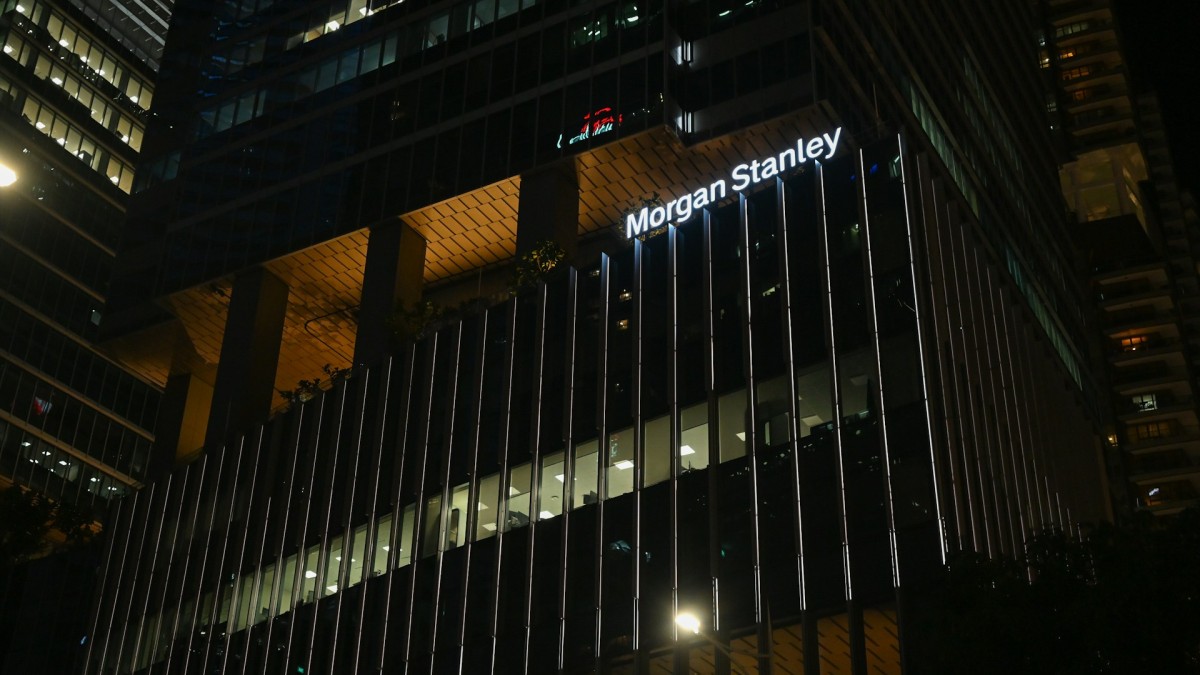
Uncertainty over the course of the wars involving Iran and Ukraine is discouraging many oil traders from taking positions in longer-dated futures contracts, according to Morgan Stanley.
As volatility has increased and questions have mounted over how long the conflicts will affect global oil markets, traders have shifted toward futures contracts covering the next three to six months rather than longer-dated positions.
“People have been more precise with their risk,” Brendan Ross, Morgan Stanley’s co-head of global oil trading, said Wednesday at the Asia Pacific Petroleum Conference in Singapore, according to Bloomberg.
“They’ve decided what they really want and what’s an unexpected bleed,” Ross added.
According to Ross, many traders are abandoning riskier positions and concentrating on near-dated futures because they do not want to be on the wrong side of longer-term bets while uncertainty surrounding the Iran and Ukraine wars remains high. The shift has reduced liquidity in longer-term contracts, he said, making near-term supply conditions a more immediate focus for market participants.
At the same time, speculators and portfolio managers have accumulated positions in fuel markets, which have been considerably tighter than the crude oil market. Hedge funds moved from short positions in fuels early in the spring to long positions, building a net long position of 177 million barrels across the most actively traded fuel contracts—gasoline and diesel—as of September 1.
The figure comes from the latest available exchange data compiled by energy analyst John Kemp.
Speculators’ fuel positions are likely to remain strongly bullish in the coming weeks, according to the report, because lost output from the Middle East and Russia cannot be readily replaced by alternative supplies. There is insufficient production capacity elsewhere, it said.
As a result, inventories of diesel—and particularly gasoline—in the United States are expected to continue declining from already low levels. Those inventory trends, along with changes in fuel-market positioning and liquidity in longer-dated contracts, will provide indicators of how traders are responding as uncertainty over the conflicts continues.
By Michael Kern for OilPrice.com
Source: OilPrice.com
