Hormuz Disruptions Could Drag Into Next Year, Japanese Tanker Giant Warns
Key Takeaways
- •Mitsui OSK Lines CEO Jotaro Tamura said it is difficult to see operations at the Strait of Hormuz resuming in any form before the end of the year.
- •The company's previous quarterly report had assumed navigation would gradually resume from October 2026 and normalize by January 2027.
- •The re-escalation this week marked the first U.S.-Iran strikes exchanged in more than a month, and Mitsui OSK currently has no plans to resume oil shipping through the strait without de-escalation and evidence of sustainably safe passage.
- •Roughly a fifth of global petroleum liquids consumption typically passes through the Strait of Hormuz, and observable traffic has fallen to a handful of transits per day since the flare-up.
- •Japan is preparing an energy import diversification plan that includes supporting Middle East pipelines, as existing bypass routes handle only a fraction of the region's normal export volumes.
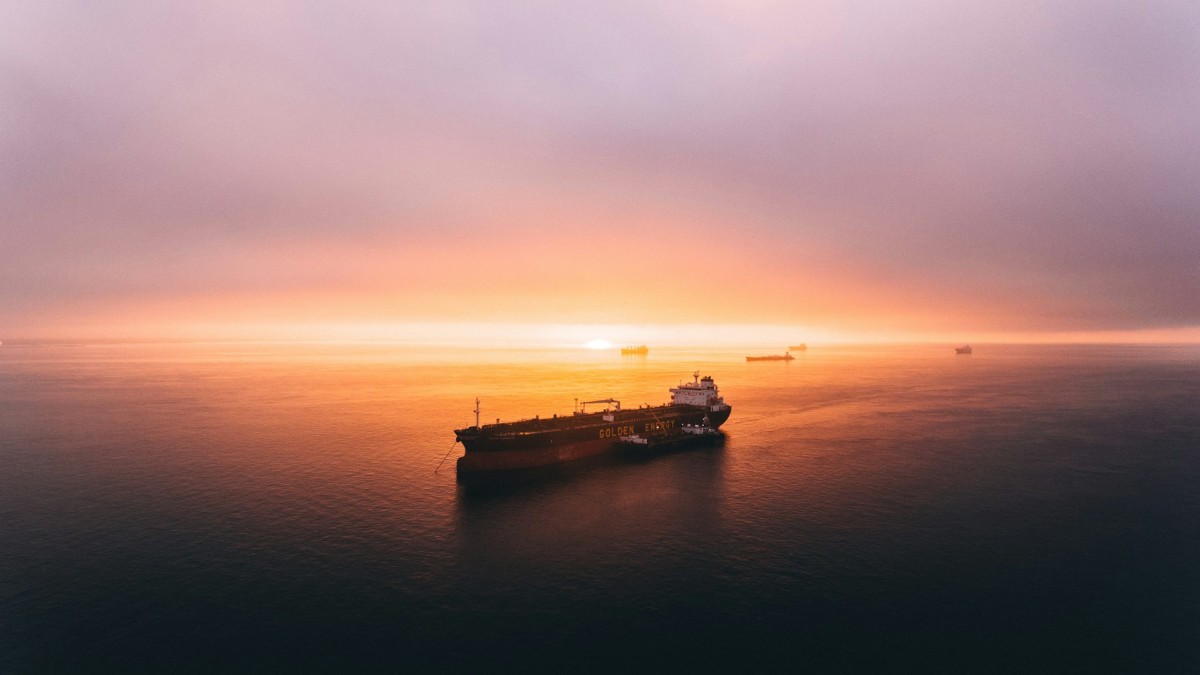
Japan's Mitsui OSK Lines, the world's largest tanker operator, expects the shipping disruptions at the Strait of Hormuz to continue for longer than previously anticipated, with no normalization by the end of the year, following this week's re-escalation of hostilities.
"Given the current situation, it's difficult to see operations resuming in any form by the end of the year," Mitsui OSK Lines' chief executive Jotaro Tamura told Bloomberg in an interview published on Thursday.
In a quarterly financial report2026.1Q%20Business%20Performance.pdf) last month, Mitsui OSK assumed that "navigation around the Strait of Hormuz will gradually resume from October 2026 and be normalized in January 2027."
However, the recent flare-up of hostilities — the first strikes the U.S. and Iran have exchanged in more than a month — has led to a deterioration of the situation.
"The situation continues to be well beyond the level of risk we can accept," the executive told Bloomberg.
Due to the elevated risks, Mitsui OSK does not currently plan to return to shipping oil through the Strait of Hormuz, the executive said. The situation needs to de-escalate, and the tanker giant needs to see guarantees and evidence of sustainably safe passage through the chokepoint before considering a return to the route, Tamura added.
The Strait of Hormuz is one of the world's most important oil chokepoints, with roughly a fifth of global petroleum liquids consumption typically passing through it, and no practical maritime alternative for Persian Gulf exporters. That makes carrier risk appetite — and the decisions of major operators like Mitsui OSK — a key variable for how quickly oil flows can recover even if the security situation stabilizes.
Since the re-escalation early this week, traffic at the Strait of Hormuz has slumped to a handful of observable transits per day, although dark crossings have helped sneak more volumes out of the Persian Gulf in recent weeks. The latest flare-up, however, could discourage some shippers again.
As a result, the market is increasingly concerned that the re-escalation is putting at risk the tentative recovery in oil flows from the Middle East seen over the past weeks.
Resource-poor Japan, for its part, is preparing an energy import diversification plan that will include provisions for supporting pipelines in the Middle East aimed at diverting export oil flows away from the Strait of Hormuz. Existing bypass infrastructure — notably Saudi Arabia's East-West pipeline and the UAE's Fujairah route, which allows tankers to load outside the strait — handles only a fraction of the region's normal export volumes, underlining why pipeline support features in Tokyo's planning.
Source: OilPrice.com
