Minnesota Farmer Uses Corn Rally to Empty Bins and Add New-Crop Sales
Key Takeaways
- •Nick Peterson of St. Cloud used the corn rally to empty his storage bins and finish hauling his remaining old-crop bushels.
- •He added new hedge-to-arrive contracts for December delivery, which lock in a delivery price while deferring final pricing decisions.
- •Peterson says marketing will remain important because input costs are still elevated.
- •Drought in central Minnesota could reduce yields but may strengthen local basis as regional supplies tighten.
- •Continued drought conditions through the growing season will influence both harvest volumes and local basis levels.
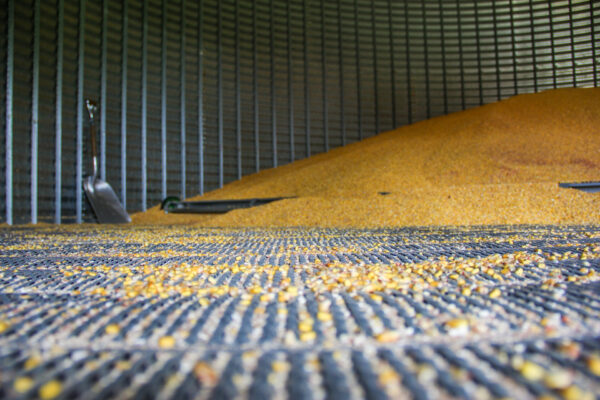
A central Minnesota farmer has been capitalizing on recent strength in the corn market.
Nick Peterson of St. Cloud says the rally has created opportunities to market both old-crop and new-crop corn. For growers who have held unpriced grain in storage, price rallies like this one are the window they wait for to move remaining bushels and lock in sales for the crop still in the field.
"I'm almost worried that we're a little far sold on new crop. We were able to kind of utilize this (rally) to empty the bins out just in the last few days honestly. We were getting right down there and waiting for a reason to do the last five, ten loads and finish hauling, and that was kind of it," he tells Brownfield.
Peterson says marketing will be key going forward as input costs remain elevated. Hedge-to-arrive contracts, like the ones he describes, allow farmers to lock in a delivery price for a future month while deferring final pricing decisions—a tool many producers use to manage risk when margins are tight.
"We were pretty excited to put a few more new crop contracts on just for some hedge-to-arrive stuff for December that we'll probably carry out. It's nice to see, just to add a little bit of positivity," he says.
Peterson, who serves as secretary of the Minnesota Corn Growers Association, says drought in his area might reduce yields, which in turn could improve local basis. Basis—the difference between local cash prices and futures—often strengthens when regional supplies tighten, which is why reduced yields can sometimes mean better prices at the elevator even if the overall crop is smaller. How drought conditions develop across central Minnesota through the rest of the growing season will be a factor to watch for both harvest volumes and local basis levels.
Source: Brownfield Ag News (By Mark Dorenkamp, September 4, 2026)
