Mexico Prohibits Fracking in Tampico-Misantla Basin, Citing Water and Community Risks
Key Takeaways
- •President Claudia Sheinbaum prohibited fracking in the Tampico-Misantla basin due to the area's dense population, indigenous communities, and freshwater reserves.
- •Mexico currently imports over 6.5 billion cubic feet per day of U.S. pipeline gas, accounting for roughly 75% of its domestic natural gas demand.
- •Even with proposed increases to conventional gas production, Mexico's reliance on U.S. imports would only decline to approximately 50%.
- •The advisory panel recommended that any future fracking be restricted to saltwater basins, keeping the northern Burgos Basin potentially viable for development.
- •Pemex projects raising domestic gas output to just over 4 billion cubic feet per day by 2030, far short of what is needed to eliminate import dependence.
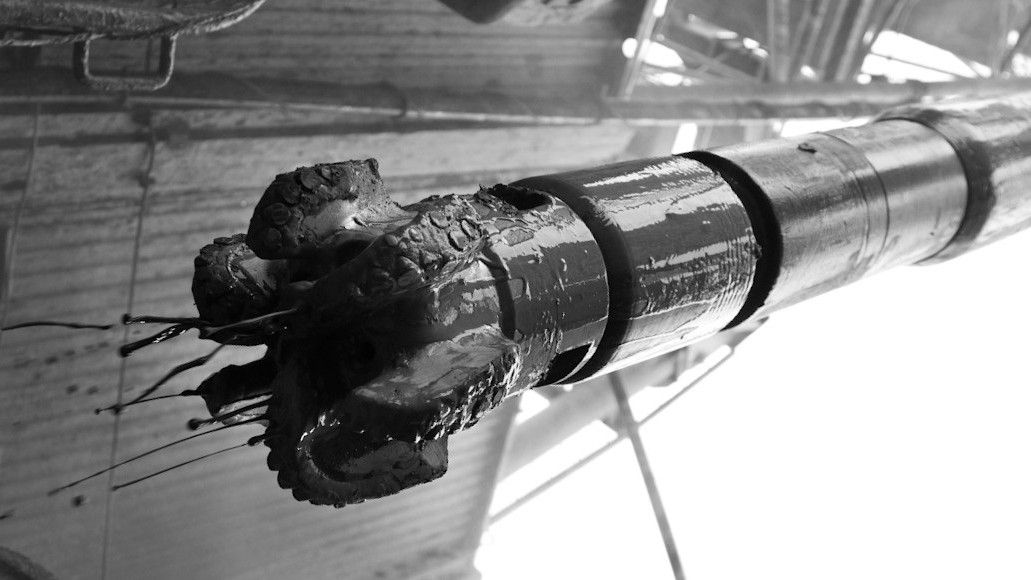
Mexico has formally ruled out hydraulic fracturing in the Tampico-Misantla basin, excluding a resource-rich shale formation from future development even as the country seeks to reduce its heavy reliance on U.S. natural gas imports.
President Claudia Sheinbaum announced that fracking will not be permitted in the basin, which lies beneath the states of Veracruz and Tamaulipas. The government's decision was based on the area's dense population, the presence of indigenous communities, and its freshwater reserves. The prohibition places Mexico alongside a growing number of jurisdictions that have restricted or banned fracking over water-contamination and seismicity concerns, including France, Germany, and several U.S. states such as New York and Maryland.
Sheinbaum had previously commissioned a panel to evaluate whether unconventional gas development could help curb imports from the United States. Mexico currently purchases more than 6.5 billion cubic feet per day of pipeline gas from its northern neighbor, accounting for approximately 75% of domestic demand. That import dependence is partly a legacy of Mexico's 2013–2014 energy reform, which opened the hydrocarbon sector to private investment and deepened integration with U.S. pipeline infrastructure, before the subsequent administration under Andrés Manuel López Obrador shifted policy back toward state-centered control of energy resources.
The commission recommended prioritizing an increase in conventional gas production. Even with the proposed measures, Sheinbaum acknowledged that Mexico's dependence on U.S. supply would decrease only to around 50%.
Further reducing that figure would require unconventional gas. The panel advised that any future fracking operations be restricted to basins containing salt water rather than freshwater, a condition that keeps northern shale formations — primarily the Burgos Basin, which extends southward from the Eagle Ford trend in Texas — viable for potential development.
Sheinbaum campaigned for the presidency as an outspoken critic of fracking and its environmental consequences. However, Mexico's energy landscape has grown increasingly challenging. Natural gas powers a significant share of the country's electricity generation and industrial activity, while domestic output has not kept pace with consumption.
Demand is set to rise further. Seven combined-cycle power plants are scheduled to come online, with five additional facilities in the planning stage.
Pemex, the state oil company, projects it can raise domestic gas production to just over 4 billion cubic feet per day by 2030 — still far short of what would be needed to eliminate imports. The company also faces mounting pressure to reverse declining output while burdened by substantial debt that has ranked it among the most indebted oil companies in the world.
Mexico holds an estimated 141.5 trillion cubic feet of unconventional gas resources, the majority located in northern basins.
The Tampico-Misantla prohibition underscores the government's effort to balance competing priorities: expanding domestic gas production, reducing import dependence, minimizing water-related risks, and avoiding political backlash from communities situated above the resource.
Source: OilPrice.com

